“And do you all recall the time/ We all got drunk on homemade wine?/ That was in the better part of life we’ve left behind.” – “The Better Part of Life” by Dolly Parton
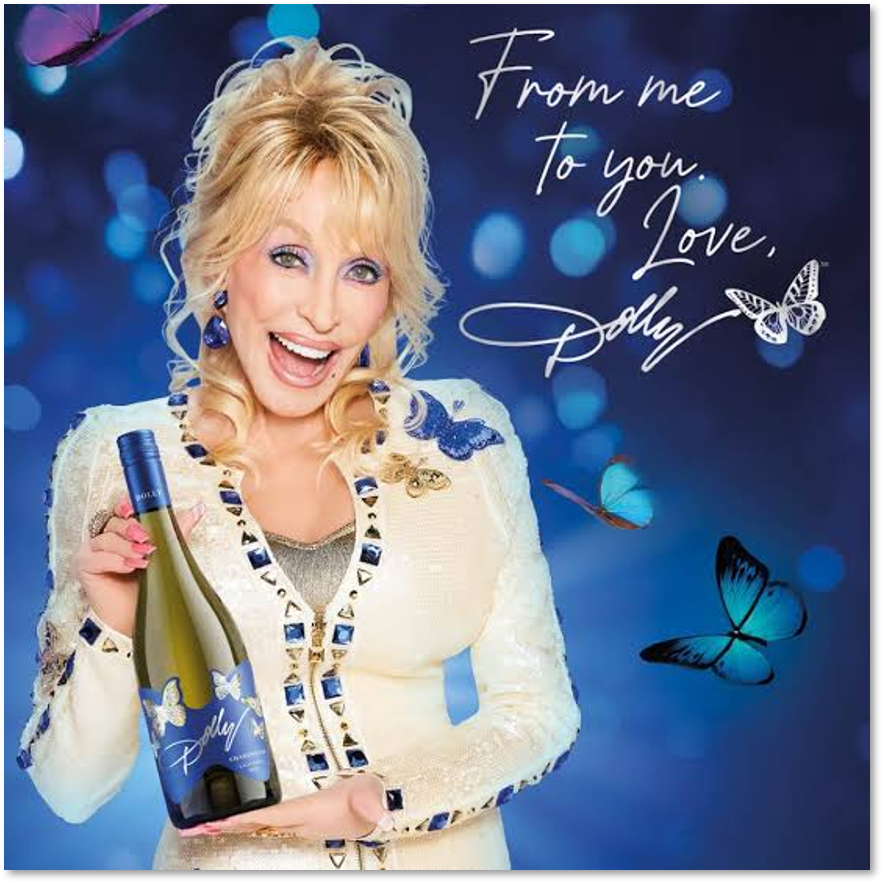
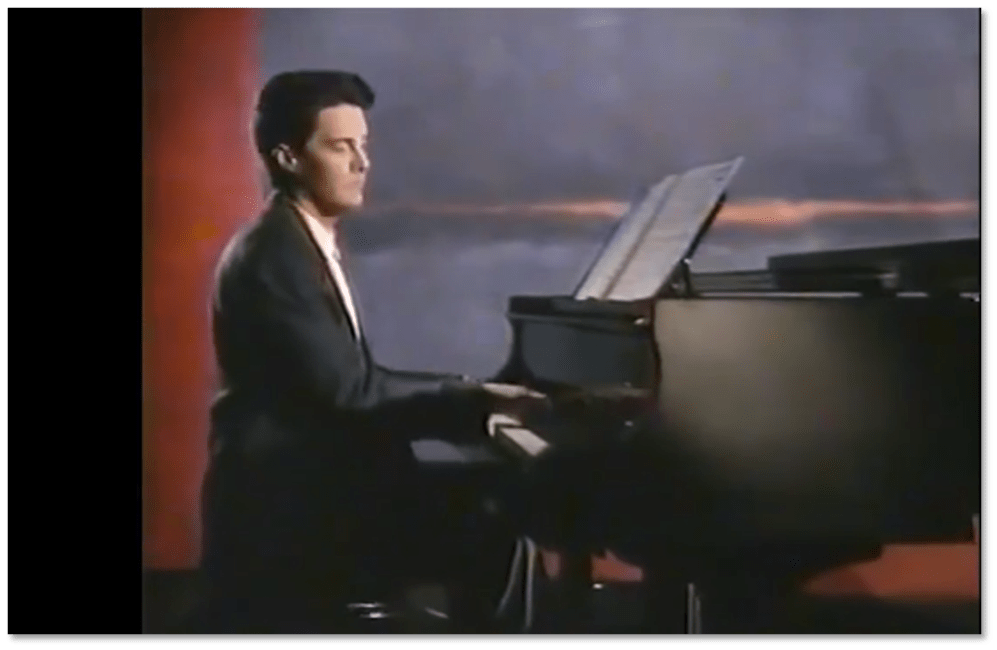
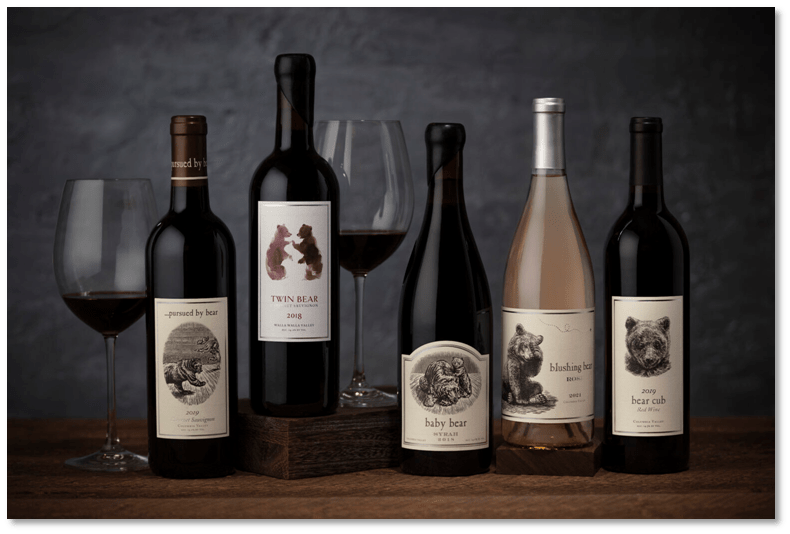
Aloha from Maui. This is a sad day, a sad week. Faithful readers know that my recent blog posts have focused on “celebrity” wines. Previous posts have reviewed wines by The Chicks, Kyle MacLachlan, Brandi Carlile, P!nk, Sarah Jessica Parker, Cameron Diaz, and Sting. Ironically, we chose this week to review Dolly Wines Chardonnay by Dolly Parton. We were as saddened as the rest of the world in learning that we lost Dolly this week. While tributes are pouring in from around the world, perhaps we can do our little tribute by helping you learn about her wine.
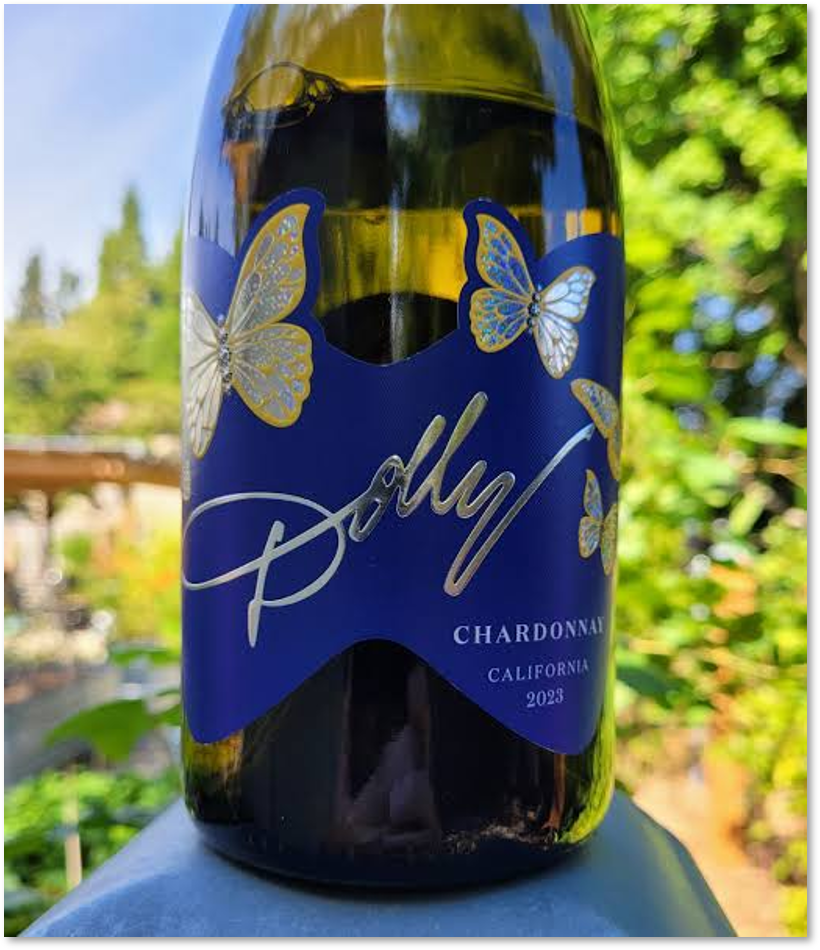
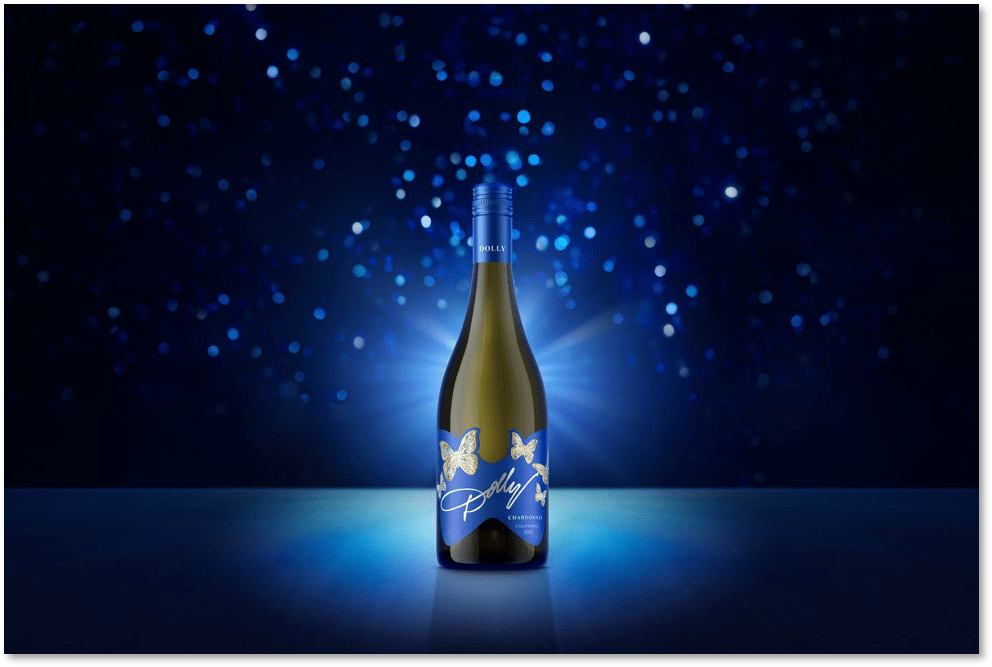
In my last review, I noted that there was an interesting take on “celebrity wines” in a recent article in The Washington Post by Emily Saladino. She noted that “higher-quality celebrity wines tend not to plaster the star’s name or likeness all over the label. There are exceptions, but I had better luck with bottles where the wine — not the bold-faced figurehead — seems to be the focus.” With the Dolly Chardonnay we tried, the only things on the label that really stood out were the butterflies!
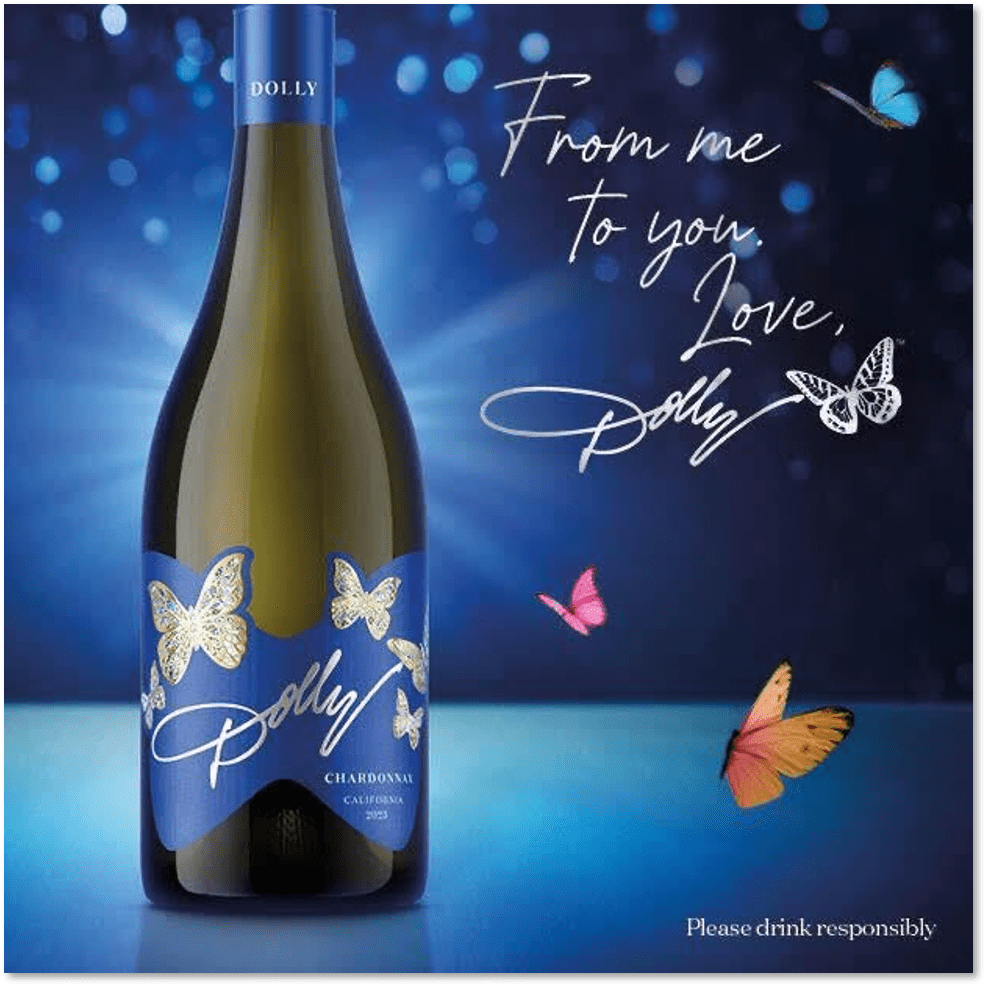
Why butterflies? Dolly evidently adopted the butterfly as her lifelong personal symbol based on her childhood memories. She says that she loved seeing and chasing them while growing up in the Smoky Mountains and was drawn to their gentle, harmless, and free nature. She mentions more in an interview in Wine Spectator in November 2024:
Oh, the butterflies! That’s my symbol, my little emblem. I’ve chased butterflies since I was little, and there are all kinds of stories about me getting lost and chasing them. In 1974, I wrote a song, “Love is Like a Butterfly,” that was one of my biggest country hits.
With each of our celebrity wines, the first thing I wonder is why they were attracted to making (or lending their names to) wine in the first place. The Wine Spectator interview provides a little insight:
We had homemade wine and moonshine and that kind of thing back home, but I’d never thought much about it, because I’m not known to be a big drinker. When you think about wine, you think about friends, fun and family. We know how music brings people together. I thought, why not have a nice wine to go along with all the stuff that we have? Music, family, friends, celebrations—there are so many things to celebrate, especially if you’re in the music business…. A nice wine is always good for celebrations and good with nice food. So starting to make my own just seemed like a good thing to do.
And the question always comes up about how much personal involvement the celebrity in question has in the wine:
I always like to test everything that I’m involved with, and they do bring the wine for me to taste. But I try to leave those kinds of things to the experts, and they have lots of people, including a lot of young people, testing the wine and making sure it’s good. We’re with Accolade, which is a wonderful company, so I’m allowing those kinds of decisions to stay with the people who know what they’re doing.
She mentioned Accolade, which was an Australian-based wine conglomerate, as the maker of her wines. Recently, Accolade merged with Pernod Ricard wines (a French firm primarily focused on spirits and sparkling wines) to form a new mega-company called Vinarchy, which operates eleven wineries in Australia, New Zealand, South Africa, and Spain. So it’s hard to forecast the future of Dolly Wines given losing the CEO and seeing these mega-mergers. That will be something interesting to keep an eye on in the future.
So what were we to expect? Dolly’s website describes the Chardonnay like this: “A vibrant pale lemon color with medium body, reminiscent of a morning sun in the Smoky Mountains. Enjoy the rich flavors of white peach, sweet cream, and toasty oak, balanced perfectly with a clean, crisp acid line. The wine’s stone fruit, white raspberry and sweet cream notes can also elevate the flavors in any dish, making it a perfect pairing for a Southern-inspired meal. With a smooth, medium length finish and natural fruit sweetness, this wine is the perfect companion for spending time with family and friends.”
Other reviews:
Wine Enthusiast called it a “Best Buy”: “White peach, sweet cream, and toasty oak, balanced with crisp acidity. Perfect for sharing.”
Camryn Rabideau in A Taste of Home wrote: “This white wine has a pale lemony yellow color. When I took my first sip, the first thing I noticed was that the wine was very light and crisp—not as heavy as you’d expect from a chardonnay. It proved to be quite easy to drink, and I think the light, fruity taste would be perfect for warm summer nights.”
Wendy Hector in The Daily Meal had a very detailed and enjoyable review:
In the glass, Dolly Chardonnay is a bright, light golden color, which I took as a good sign — Chardonnays that have a deeper, more saturated hue can be overly extracted or excessively oaky, or both. Right from the start, this wine doesn’t hit you over the head, which is one of its most appealing qualities. As it warms up a bit in the glass, the aromas become more pronounced, but maintain their subtlety. Once you swirl it around and get your nose in there, you can pick up some lovely floral notes like honeysuckle and apple blossom, fresh lemon zest, orchard fruits like apple, pear, and peach, and a hint of vanilla to denote the presence of oak.
On the palate, this Chardonnay is impressively balanced. The alcohol here is relatively low, labeled at 12.5% alcohol by volume, which is in line with the lightness and brightness of the flavors. The aromas I picked up are all present as flavors on the palate, along with a tropical pineapple note that shows up as the wine unfolds, and a nuttiness like sweet pecans. Though there are lots of sweet, fruity flavors, the wine itself is nice and dry, finishing crisply with a pop of tart, juicy lemon. The finish doesn’t linger very long, but that’s fine — this wine isn’t necessarily made in a style that you need to take your time with and savor. I’d happily crack a bottle of this open on a sunny, warm afternoon and toss a few glasses back with friends.
And in Us Weekly’s “We Tried It” column, Deputy News Editor Sarah Hearon and Music Editor Eliza Thompson sampled Dolly’s Chardonnay, and they called it a “porch slammer.” Hearon explains: “[In Napa Valley], certain white wines, they call them a porch slammer because you can just sit on your porch and slam it back. And this is a porch slammer.”
Their review continued: “While chardonnay has a reputation for being heavy, the Dolly Wines version is surprisingly light, featuring tasting notes of white peach and sweet cream. As Us discovered, it’s more reminiscent of a light white or rosé than a traditional chardonnay, which makes it perfect for sipping in the backyard while listening to classic Parton albums.”
“Porch-slammer.” I like that.
What was our experience? Our wine was billed as a “California” Chardonnay. I dug a little but couldn’t find anything specific about where her grapes came from other than simply “California.” I think in other circumstances, I’d have been a little suspicious about the potential quality of the wine given its unspecified provenance. But in this case, I thought I would give those questions a pass and just focus on the wine.
We thought it had a light fruit nose, and we detected tastes of peppers, apples, and pears, with a definite green pepper aftertaste (just leaning a tiny bit toward Sauvignon Blanc!). And it was really good when it was super-chilled. We agreed with Wendy Hector’s assessment. It doesn’t hit you over the head – it’s just a little subtle but very pleasant. We thought it was a perfect summer backyard party wine.
You can find this one for about $15. Dolly Wines also makes a Pinot Noir and a Rosé. I’d certainly recommend trying any of them. I think it would be a nice tribute to her.
Wine Playlist: I’m diverting from my regular playlist this time to focus on some wine-related lyrics in Dolly’s songs.
First there’s “The Better Part of Life” (quoted at the beginning of this post) from 1973’s “My Tennessee Mountain Home”: “And do you all recall the time/ We all got drunk on homemade wine? / That was in the better part of life we’ve left behind.”
Then there’s “Sweet Summer Lovin’” from 1979’s “Great Balls of Fire”: “Sweet summer loving in the dandelions/ Sweet summer loving keeps me high as candy wine.”
Here’s “The Cowgirl and the Dandy.” From her first big pop album (“Here You Come Again”), the lyrics use wine as a metaphor: “I was Mogen David wine, he was a Chablis ’59/ But there we sat, the cowgirl and the dandy.”
Finally, how about the slightly racy “Outside Your Door” from 2016’s “Pure & Simple”: “Two bottles of wine/ One white and one red/ Few drinks to unwind/ And then be off to bed/ We can’t fight this passion/ No need to pretend.”
Here’s to you, Dolly. Your wine – and your life – will stay in our memories forever. I know everyone has been saying it this week, but we’ll say it too: we’ll always love you.