(posted April 4, 2022)
“Wine enters through the mouth,
Love, the eyes.
I raise the glass to my mouth,
I look at you,
I sigh.”
― William Butler Yeats
This is the eleventh in a review of wines that were mentioned in the great book by Kermit Lynch, Adventures on the Wine Route: A Wine Lover’s Tour of France. Once again a reminder – Lynch’s book is by far one of the most enjoyable and informative books about wine you’ll read.

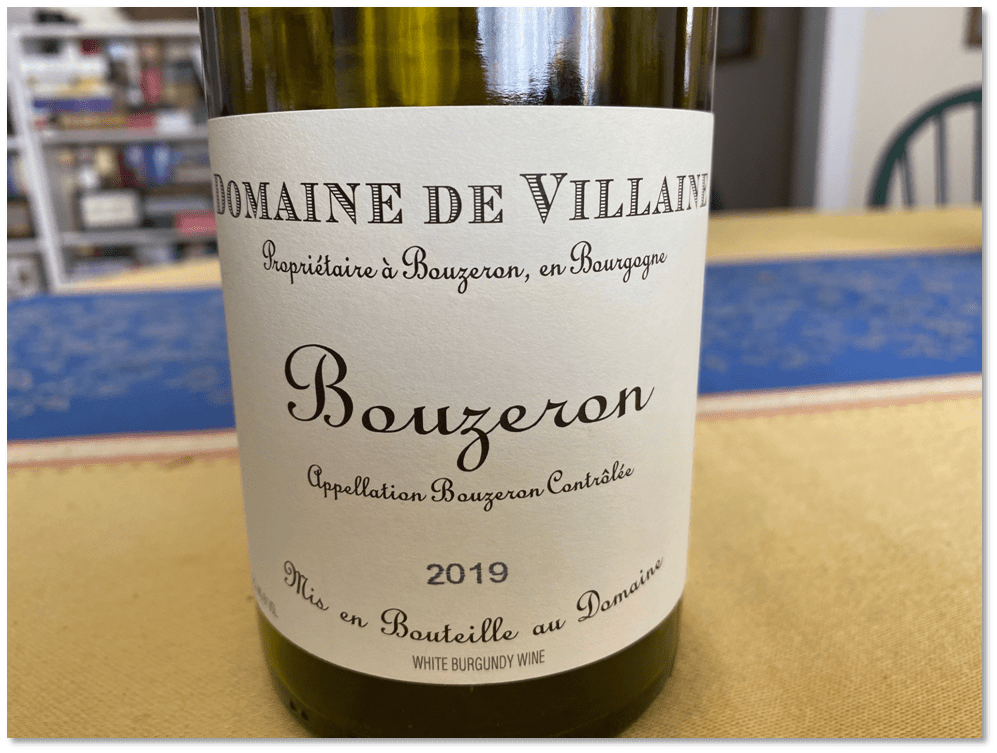
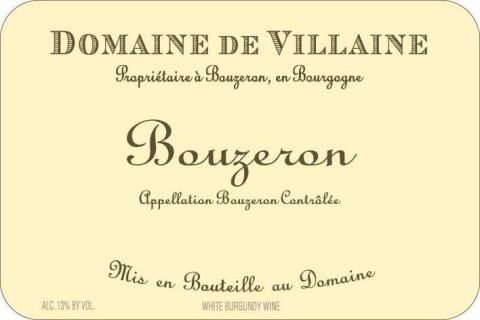
Our wine for this review is an Aligoté from Domaine de Villaine in Burgundy. If pork is “the other white meat,” then Aligoté is definitely “the other white wine” from Burgundy. About this varietal and domaine, Kermit Lynch writes:
I have developed a soft spot for the wines of the Chalonnais, particularly the Montagny blanc and the Aligoté from Bouzeron…. Traditionally, Aligoté was celebrated for its precociousness. The Burgundians drank all of it themselves, drawn right out of the barrel, while it was still full of gunk, funk, and fizz….but in 1979, de Villaine came up with something special. First, his grapes came from the stony Bouzeron slopes, the only village deemed worthy enough to broadcast its name on an Aligoté label. From a parcel of seventy-year-old vines he barrel-fermented the juice without chapitalization. It was bottled directly from the barrel, unfiltered. Nothing added, nothing taken out!
It was a striking wine, with depth, balance, and a delicious aroma reminiscent of fresh pear and pear skin…. I saved a few bottles just to see what might develop. Every time I opened one, rather than beginning to deteriorate, the wine continued to improve…. It was still alive and really, well, quite grand in its way. A mere Aligoté. But if you are looking for great Burgundy, there is your recipe: a careful winemaker, old hillside vines, traditional vinification without excess chapitalization, then bottled unfiltered.
The Oxford Companion to Wine reminds us that chapitalization is a “common winemaking practice… whereby the final alcoholic strength of a wine is increased by the addition of sugar to the grape juice or must, before and/or during fermentation…” So Lynch noted that Domaine de Villaine does not need to use that method to increase the alcoholic content of Aligoté – it’s fine just the way it is!
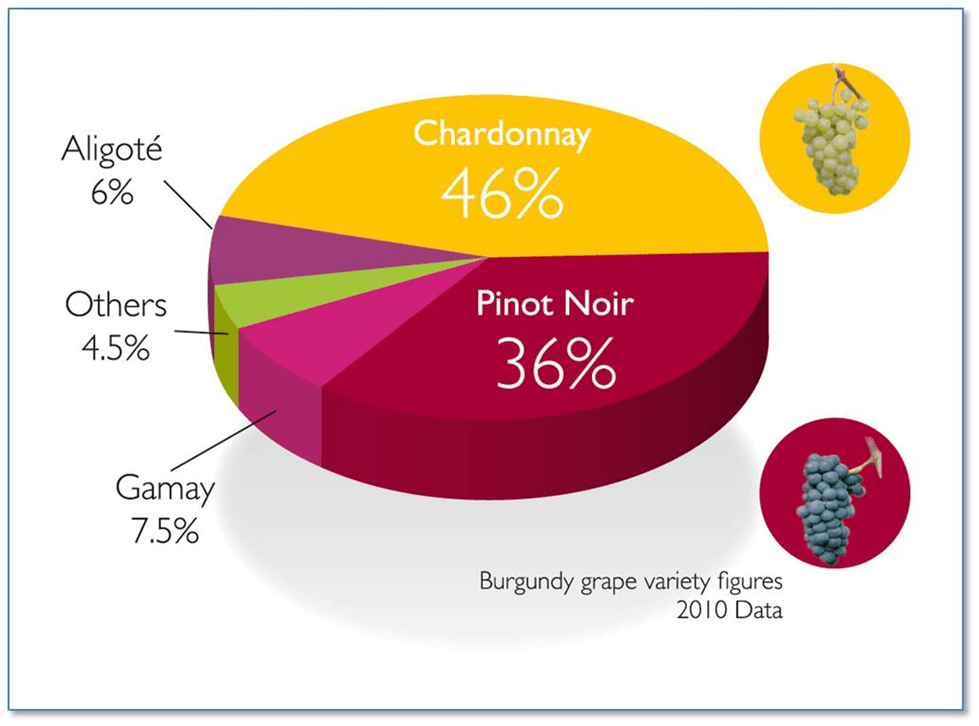
But first let’s revisit the overall Burgundy winemaking scene. First of all, Aligoté is a real outlier, comprising only a tiny fraction of wines produced in Burgundy. Chardonnay comprises 46%, with Pinot Noir a close second at 36%. Gamay (primarily used in Beaujolais) makes up 7.5%, with Aligoté at only 6% (remember that Burgundy winemakers don’t make blends – all wines are generally 100% one type of grape).
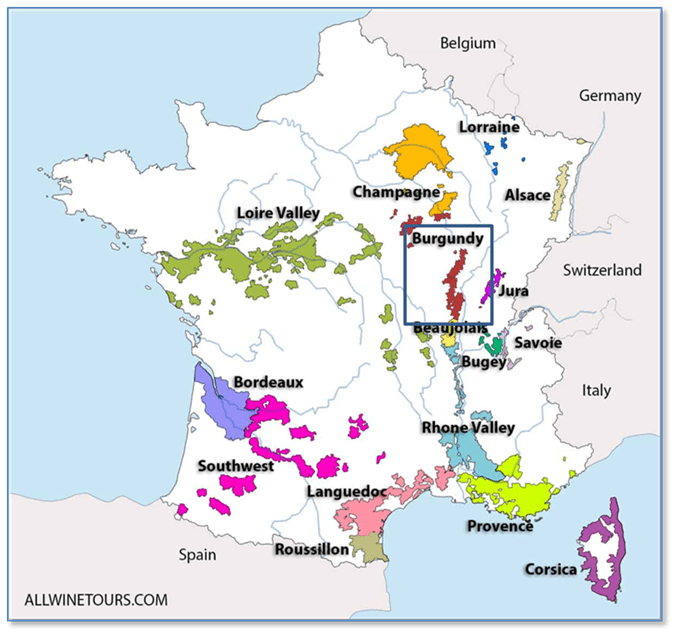
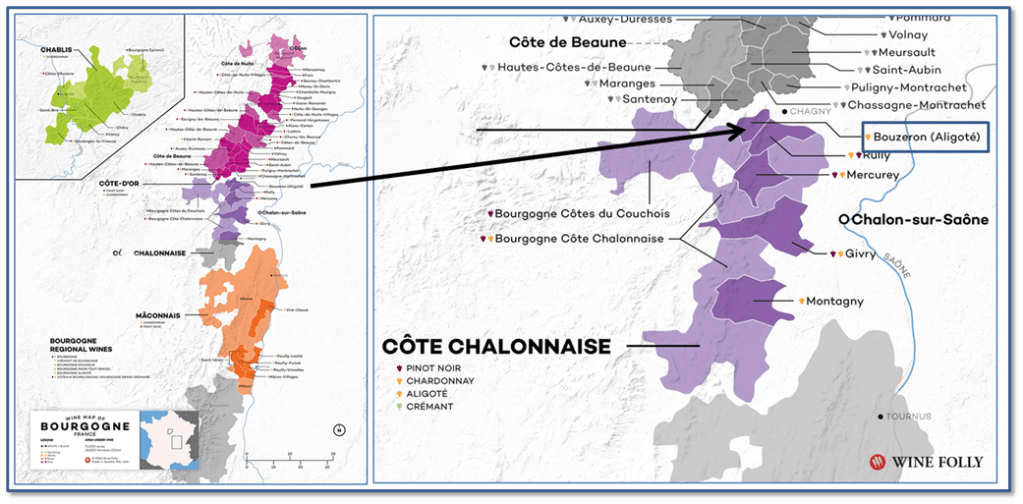
Aligoté is grown in one tiny area within the Côte Chalonnaise, the “middle” subregion of Burgundy. The Oxford Companion tells us that the area “gets its name from the town of Chalon-sur-Saône, which had been an important Celtic trading centre in Ancient Gaul.” The World Atlas of Wine says that the terroir in this area is “green farming country with some limestone-dominated vineyards.” Bouzeron is the main village where Aligoté is grown.
Wine Searcher says that “DNA profiling has proven [Aligoté] to be a member of the wider Pinot family, of which Chardonnay is also a member…. Aligoté has been a part of the Burgundian wine landscape for more than 200 years, planted alongside Chardonnay…. Despite being best known as a French grape, Aligoté is grown in more significant quantities in other locations, notably in Eastern Europe. Many thousands of hectares are currently planted in countries like Bulgaria and Romania, where Aligoté wines have a surprisingly strong following.”
Apparently Aligoté was much more prominent in Burgundy in its early days, but after phylloxera wiped out most of France’s vineyards in the late 19th century, it all but disappeared until the mid-20th century. Wine Enthusiast says “some prominent family growers loved their hillside Aligotés, especially from old vines, and continued to produce the variety in addition to Chardonnay and Pinot Noir. They were enchanted by the wine’s lightly floral aromas, the combination of citrus fruitiness and flinty minerality and, above all, its vivid, mouthwatering acidity. It can also age for several years.”
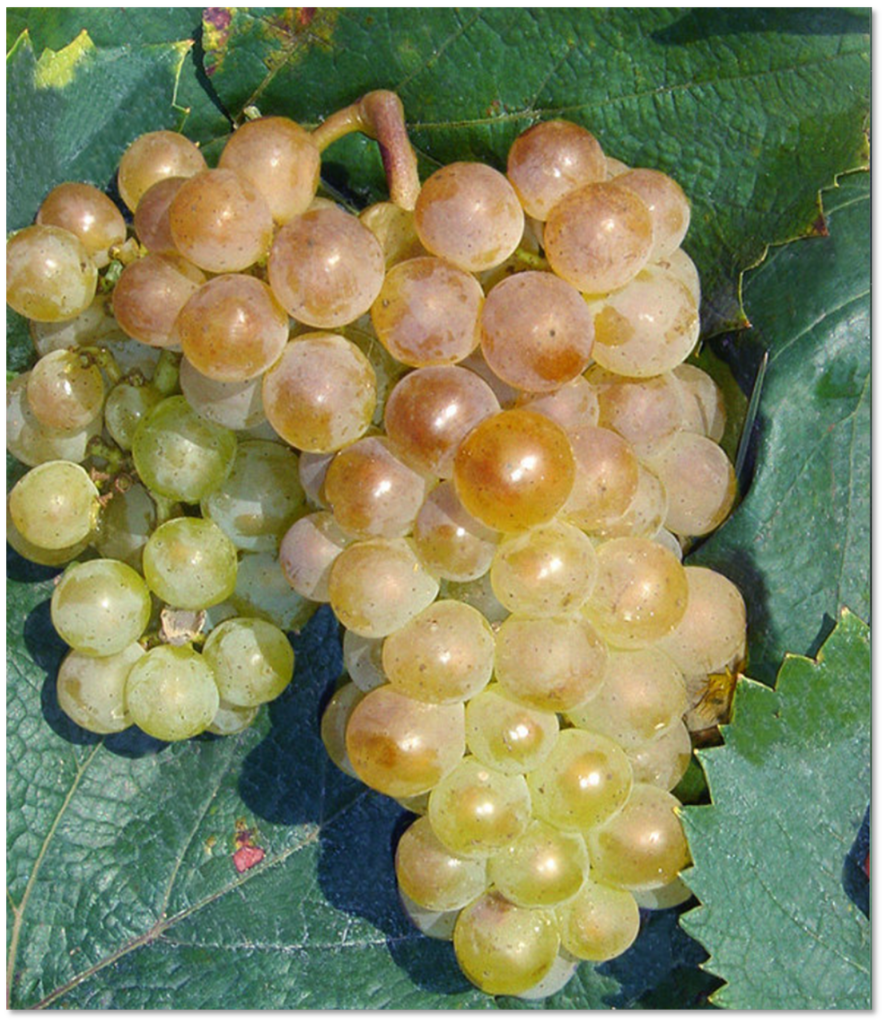
So what were we to expect? I mentioned in an earlier post (describing our wine tour of France) that Aligoté was one of the pleasant surprises on our trip. We thought it was crisp, bright, and very tasty especially given its price. Vins de Bourgogne says that Aligoté is “a palette of flavor” and “first catches the eye with its pale yellow color with hints of gold. On the nose, it offers a range of delicious aromas of white-fleshed fruit, white blossom, peach, lemon, linden, acacia, hazelnut, green apple, and sometimes even citrus. On the tongue, it is remarkably fresh, with hints of saline and a fruity acidity that ensures good length.”
Wine Searcher says, “Wines produced from Aligoté are generally dry in style, with floral and herbal notes, naturally enhanced by the variety’s high levels of acidity.” Vine Pair says “Aligoté is a quaffable gem, dry with floral and herbal notes and an almost lemony character.” Eric Asimov of The New York Times reviewed several Aligoté bottles in 2018 and said they “had a depth of texture that seemed to unfold in the mouth.”
And Dave McIntyre of The Washington Post said in a 2011 review that Aligoté “has a pale-golden straw color and discreet floral aromas that hint of an acacia tree just out of sight in the next year. The grape’s acidity gives the wine a lemony character, though because this is Burgundy there is richness as well: Think lemon curd, accented with the toastiness of roasted hazelnuts. I’ve seen this toasty character described as ‘warm croissant,’ which gives the appealing image of wine with breakfast.” Okay then; I’m not opposed to breakfast wine. He also had a great headline for his review: Aligoté, a Wine for the Explorer Spirit!
McIntyre also mentioned something I’ve seen in other reviews: “The grape’s naturally high acidity can render the wine astringent, which is why in Burgundy Aligoté is often blended with a dash of black-currant liqueur to make an aperitif called kir.” I may have to check it out!
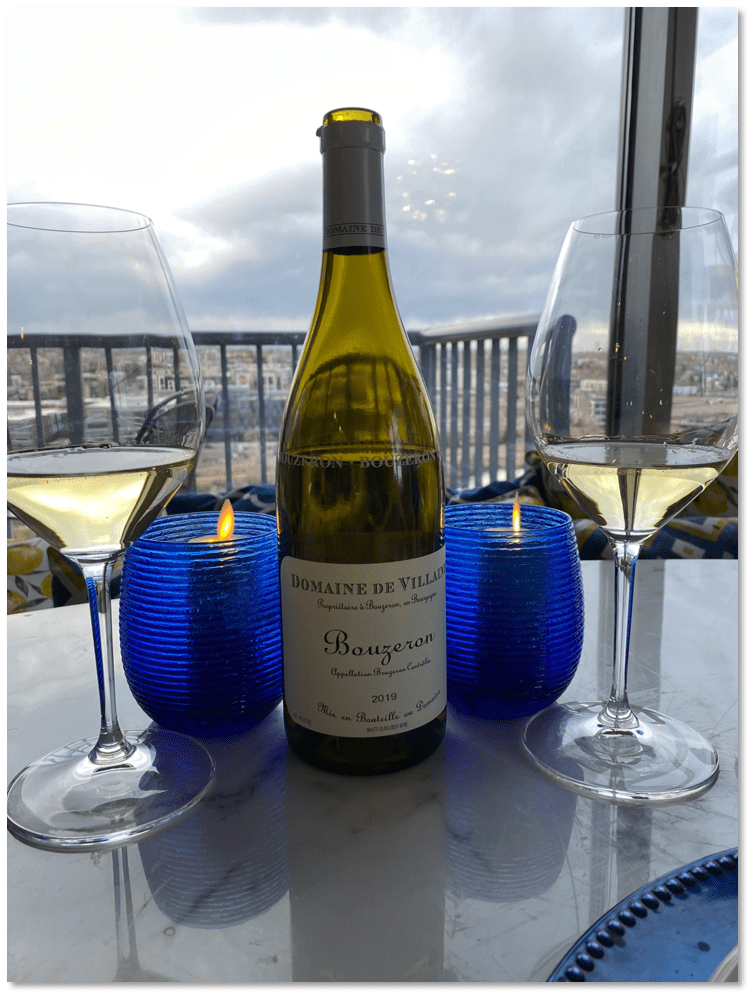
What was our experience? The Aligoté from Domaine de Villaine we tried (2019) was high in alcohol – 14%. Like other bottles of Aligoté we had in France we thought it was…. delicious! Its aromas were of green apple, pear, and even a little rubbing alcohol (not in a bad way – perhaps that’s just its astringency showing). Its taste was floral, fruity and even a tiny bit buttery (yes, a little buttery, but when mixed with the others it was a great combination). It also reminded us of honey, and of verbena soap with its lemony accents (and I love L’Occitane verbena soap!). My guest taster (Lisa) said it had a great texture and was somewhere between a chardonnay and a sauvignon blanc to her – not too oakey or buttery like a chardonnay, but not too citrusy like sauvignon blanc. It was the perfect middle in-between wine.
So what was the verdict? On a scale of 1 to 10, this would have to be an 8.5 at least, on the strictly subjective numerical scale. But what about the Bang for the Buck? In our case, the Domaine de Villaine Aligoté was priced at around $40, but you can find other well-regarded ones at around $25 or even less at most wine stores. So on the “bang for the buck” scale, this was definitely HIGH!!

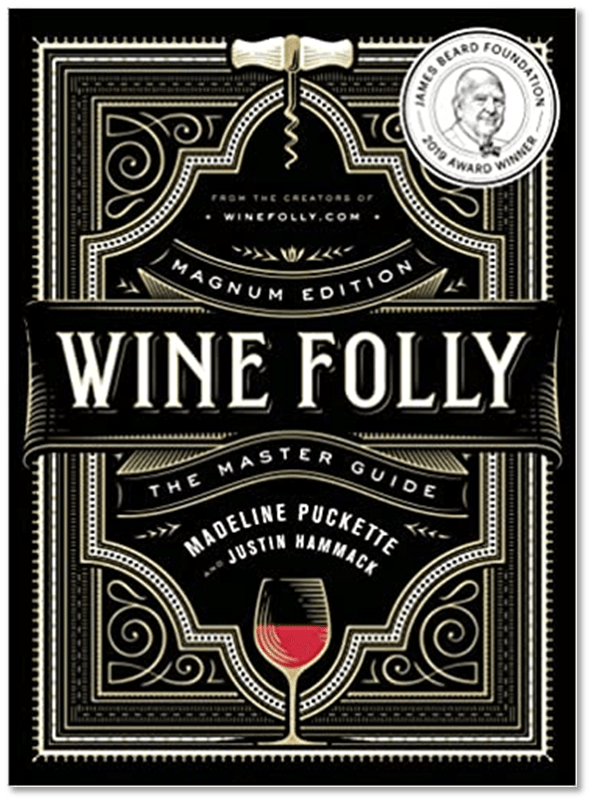
Wine book recommendation: Our book this time is Wine Folly: Magnum Edition – The Master Guide, the literary accompaniment to the wonderful user-friendly website Winefolly.com (and the source of many of the wonderful graphics I use). It’s colorful, it’s practical, and it’s fun – a great resource for any wine lover. And go to the website – you can subscribe to its great e-mail newsletter.