“If we sip the wine, we find dreams coming upon us out of the imminent night” ― D. H. Lawrence
This is the thirteenth in a review of wines that were mentioned in the great book by Kermit Lynch, Adventures on the Wine Route: A Wine Lover’s Tour of France. Once again a reminder – Lynch’s book is by far one of the most enjoyable and informative books about wine you’ll read.
Our wine for this review is another white wine from Burgundy – a Chardonnay from the village of Meursault (pronounced “Mehr-so”) and the Domaine Rémi Jobard. About Meursault, Kermit Lynch writes:
The Côte d’Or is largely, almost exclusively, planted in Pinot Noir until you arrive at Meursault, Puligny, and Chassagne [wines from which we reviewed earlier], today’s great white Burgundy villages. Here are the Chardonnays that launched a thousand Chardonnays, which all the wine-producing countries of the world desire to emulate…. Meursault has been kind to me over the years. I have worked with a number of proud growers, each with his distinctive style, each with plots of vineyard in several different sections of the slope, so that Meursault has become in my mind a mosaic of friendly faces, cellars, and wines.
As a refresher from wines from Burgundy we’ve reviewed earlier, Burgundy is, of course, a famous wine-growing region in east central France. Called Bourgogne in French, it is famous for well-regarded red and white wines, with whites coming almost entirely from chardonnay grapes. According to The Oxford Companion to Wine, vineyards dating to the first century have been found in the area. A tribe of Burgundians from Scandinavia settled the area in the fifth century, giving the area its name. As noted in The World Atlas of Wine, “Burgundy is not one big vineyard, but the name of a province that contains several distinct and eminent wine regions.”
Our Meursault came from the Côte d’Or region of Burgundy (the word “côte” means hillside or slope, so the name of the region literally means “golden slopes” or “golden hillsides”). The Oxford Companion to Wine tells us that the Côte d’Or is “the heart of the Burgundy wine region,” and that Chardonnay is grown on approximately 49% of Burgundy vineyards (the other major wine grown there is Pinot Noir).
Meursault is a village in the southern Côte de Beaune subdistrict of the Côte d’Or region. The Oxford Companion tells us that Meursault is a “large and prosperous village… producing mostly white wines from the Chardonnay grape…. Although Meursault contains no grand cru vineyards [the highest level of quality in Burgundy], the quality of white burgundy from Meursault’s best premiers crus is rarely surpassed.”
Beaunetourism.com tells us, “They say that the name Meursault means ‘mouse’s jump’ because, in the past, the plots producing red wine would not have been separate from those producing white by more than a mouse’s jump…. The village of Meursault with its beautiful wine châteaux, prosperous village houses and the spire of the Gothic church that seems to tease the clouds, is a dream, but the important work goes on underground. For this is where the alchemy, dosed with just the right proportion of clay, limestone and marl, prepares the inimitable style of the wines of Meursault….”
Beaunetourism.com
The Jobard vineyards were established in 1860 and are now run by the family’s fifth generation. Wine.com says “Rémi Jobard is the dynamic son of Charles Jobard and nephew to Francois Jobard. Growing up and learning form these legendary brothers inspired Rémi to follow in his father’s footsteps and eventually take the helm at this remarkable domaine. As is normally the case in Burgundy, with a famous last name comes an enviable assortment of vineyards. Since 1994, the domaine has not used any herbicides or pesticides. After Rémi took over, he decided to take the quality of farming to the next level, converting to organics and eventually getting certification [as organic] in 2011.”
Rémi Jobard, from Lea & Sandeman Wine Merchants
Wine.com says, “All of Rémi’s wines show a breathtaking clarity of terroir, which come from the impeccable farming and a simple hands-off approach in the cellar; all of the wines are aged in a mixture of barrique [barrels] and large older foudre [large oak casks]. When asked about his approach Rémi says, ‘We are very privileged to have great terroir in Meursault. Everything I do in the vineyard and in my cellar is to make sure that terroir is transparent and completely unobscured.’ Tasting through the lineup is a true masterclass of Meursault – a sensual tour of rock and vine.”
Incidentally, the words “sous la velle” on the label means “under the eaves.” I couldn’t find anything specific referring to why this wine was named that way, but it’s quaint nonetheless.
So what were we to expect?
Most reviewers were ecstatic about Meursault in general and Jobard’s in particular. For example, Wines of the World said, “This large village is renowned for its sumptuous white wines; great Meursault is not just rich and hedonistic, it is also invigorating.” Hedonistic eh? Beaunetourism.com writes, “A clear and bright golden-green colour, a nose of great finesse with aromas of lime, hawthorn and butter notes, hazelnuts and honey depending on the ‘climat’, i.e the soil – that’s the calling card of a Meursault wine. Whether you’re an amateur or a connoisseur, the aromatic power of the wine of Meursault, a magical balance between smoothness and freshness, and its length on the palate impress.”
Winesearcher.com says, “The commune’s wines are renowned for being among the richer, more full-bodied Burgundy whites. Tasting notes commonly cite notes of butter, almonds and grilled hazelnuts, alongside the finer citrus fruit and mineral elements. The geological differences across the commune’s vineyards are famously discernible in their wines.”
Winelibrary.com tells us, “Offering up aromas of pear, white flowers and almond paste, the 2018 Meursault Sous la Velle is medium to full-bodied, satiny and enveloping, with a more textural profile than its 2017 counterpart, though it remains lively and precise, concluding with a saline finish.”
Grapecollective.com calls Meursault “The Stranger You Can Take Home” and tells us, “When the wine is young, it shows a bouquet of white and yellow flowers along with flint minerality, and buttery, honeyed citrus fruits. On the palate it is rich, almost fat and round, with a toasted nutty flavor of almonds and hazelnuts.”
What was our experience? I have to admit that our experience with this Meursault wasn’t as overwhelming as that of the reviewers I mentioned above. My guest tasters (Lisa and Bethany) and I detected aromas of light citrus and vanilla, with a taste that was better and stronger than its aroma. It definitely had a buttery and mineral taste, but to us it wasn’t anything outstanding or out of the ordinary. Its alcohol was 13%, it was relatively dry with medium acidity and body. But it didn’t knock our socks off. It did improve after being open for half an hour or so, and it tasted better with our appetizers (crostini with goat cheese). But compared with other white Burgundies we’ve tried, it didn’t particularly stand out. I was definitely expecting more!
So what was the verdict? On a scale of 1 to 10, this would have to be a 7.5, on the strictly subjective numerical scale (lower than other Burgundy whites we’ve tried). But what about the Bang for the Buck? Our Meursault ranged from $75 to $90 on various sites, and you can find other Meursaults on the lower end of that range at many wine stores. But as mentioned, it wasn’t particularly outstanding compared with other white Burgundies we’ve tried. So on the “bang for the buck” scale, this was low to medium. I have to say I was slightly disappointed given the glowing reviews others gave this one. Maybe ours was an exception, or maybe we didn’t give it enough time to oxygenate or age (even though it was a 2018). But if I was going for a white Burgundy, I’d go for some of the others we’ve reviewed (such as the Puligny-Montrachet, Montagny, or even an Aligoté) instead of this one.
Experience reminder: I’ve been exploring more about how our experiences with wine shape our tastes and memories. Nikki Goddard has an interesting article on the website of the Napa Valley Wine Academy called “Wine and the Power of Suggestion.” Goddard writes:
When we sniff and sip wine, the brain takes cues from the sensory cells on our tongue and the olfactory bulb in our nose. It gets right to work on converting the contents of the glass to a coherent taste analysis based on our memories, expectations, and even our mood. These factors impact our experience of wine on a given occasion. It explains why someone can fall in love with a wine first tasted during a honeymoon trip to Italy but then be underwhelmed by the very same wine (the second bottle you brought home) after a tough day at work. And if you were anticipating that the second bottle would be just as revelatory as the first, it might compound that effect, as you’ve set your expectations way too high.
Goddard goes on to say, “You’ll want to work on trusting your instincts and remembering the high degree of subjectivity and personal variance involved in the perception of wine. In wine education, tasting groups—blind or otherwise—are an invaluable study tool and a great way to spot gaps in your tasting threshold (which we all have) while sharing your unique insights with others to help fill their gaps.” Good advice!
Book recommendation: An interesting little book is The Dirty Guide to Wine: Following Flavors from Ground to Glass by Alice Feiring. This one doesn’t organize wine by grape or region but instead focuses on the ground and the soil in which grapes are grown and how those factors affect wine’s taste and texture. Fascinating stuff!
This is the twelfth in a review of wines that were mentioned in the great book by Kermit Lynch, Adventures on the Wine Route: A Wine Lover’s Tour of France. Once again a reminder – Lynch’s book is by far one of the most enjoyable and informative books about wine you’ll read.
Happy Mother’s Day!
Our wine for this review is another great white wine from Burgundy – the Au Pied Du Mont Chauve Montagny Premier Cru from the Côte Chalonnaise subregion. About Montagny, Kermit Lynch writes:
I have developed a soft spot for the wines of the Chalonnais [note that the subregion can also be spelled this way], particularly the Montagny blanc…. How many people might, like myself, finish by uncorking many more bottles of Chalonnais whites than the bigger, more serious whites of the Côte d’Or…. Montagny does not and should not try to taste like Merusault [a wine we’ll be reviewing in the future]. It has its own charm, thank goodness.
Like Aligoté, which we reviewed previously, Montagny is grown in one small area within the Côte Chalonnaise, the “middle” subregion of Burgundy. The Oxford Companion to Wine tells us that the area “gets its name from the town of Chalon-sur-Saône, which had been an important Celtic trading centre in Ancient Gaul.” The World Atlas of Wine says that the terroir in this area is “green farming country with some limestone-dominated vineyards.” Montagny is exclusively chardonnay, the most widely grown grape in Burgundy (comprising about 46% of all grapes grown in the region – a reminder that all Burgundy wines are 100% of one grape, with no blending allowed), and comes from four communes in the subregion. Vins de Bourgogne tells us that the Montagny appellation includes 49 Premier Cru vineyards (we learned earlier that Premier Cru is the second-highest-quality designation in Burgundy, outranked only by Grand Cru).
One interesting note – while the chardonnay grapes used in our wine came from Montagny in the Côte Chalonnaise, the wine itself was bottled at the lovely Château de Chassagne-Montrachet in Côte de Beaune to the north – which we visited in our bicycle tour of the region in the fall of 2021.
Apparently, the Côte Chalonnaise is the Rodney Dangerfield of Burgundy – it doesn’t usually get a lot of respect. About wines from the subregion, Eric Asimov of The New York Times wrote:
So close, and yet so far away. I sometimes wonder how it feels to be a vigneron in the Côte Chalonnaise, the hilly region that extends south and slightly east of the southern tip of the Côte d’Or, the great heart of Burgundy. The Côte d’Or, of course, receives all the accolades, the fawning visits and the money. The Côte Chalonnaise receives the figurative back of the hand because, well, it just isn’t the Côte d’Or…. the wines from the main villages of the Côte Chalonnaise – Bouzeron, Rully, Mercurey, Givry and Montagny – have always been considered the poor rustic relations, without the elegance, grace or delineated intensity of their betters.
Along those same lines, Dave McIntyre of The Washington Post wrote: “The villages here — Rully, Givry, Mercurey, Montagny and Bouzeron are the main ones — are peasants compared with the royalty to the north. And yet, they offer terrific wines for the price.” Peasants! And The World Atlas of Wine says the subregion’s wines taste “so perceptively different” from those in the Côte d’Or that they are “like slightly undernourished country cousins.”
So what were we to expect? Kermit Lynch again: “How tempting Montagny sounds when described by the French write Pierre Brejoux in Les Vins de Bourgogne: ‘Their golden green color, their fine bouquet, their taste of hazelnut, and their lightness, so appreciated in a white wine, make them seductive wines which go down easily and leave you clearheaded.’”
Vins de Bourgogne says this about Montagny:
To the eye, these wines present the classic features of a burgundian Chardonnay: limpid, pale gold colour with green highlights when young, darker gold colour with age. Their aromas are acacia, mayflower, honeysuckle, bramble flowers, and sometimes violet and bracken. Of the livelier scents, lemon-balm and gun-flint may be added. Hazelnut, white peach and ripe pear would not be surprising, either. In the mouth, the wine is always fresh, young at heart, frisky, alluring, and rich in spicy back-flavours. Refinement and delicacy are harmoniously matched to a durably well-built structure.
Wine Searcher tells us, “Montagny wines are identified by the fact that they have a little more body and slightly higher acidity than the whites from other Chalonnaise appellations. This is the result of Montagny’s marginally warmer southerly location and the high level of limestone in the local soils, which also brings a valued minerality to the wines.” Wine Enthusiast was enthusiastic: “A rich and softly textured wine, this is generous and opulent. White fruits and rich yellow and white stone fruits are bold and right up front.” And The Wine Bible had high praise: “Many Burgundy insiders consider Montagnys the best value white Burgundies going.”
What was our experience? Another great Burgundy white – I mean seriously, how bad could it be? Our wine was a 2017 vintage (apparently a good year based on the reviews I saw) and had relatively high alcohol content at 13.5%. It had a lovely light golden color with a hint of green. We had lovely aromas of green apple and pear initially, changing to a more flinty or mineral aroma as it opened up. It had tastes of apple, vanilla and honeysuckle. My guest taster (Lisa) said it had a medium light buttery texture and taste (much lighter than the California chardonnays she is used to). It was complex with a “crisp, clean finish” and was “fruity in a good way, not in a sweet gross way!”
So what was the verdict? On a scale of 1 to 10, this would have to be an 8.5 at least, on the strictly subjective numerical scale (similar to other Burgundy whites we’ve tried). But what about the Bang for the Buck? Our Montagny was available at Total for $25, but you can find other well-regarded ones at around $20 or even less at most wine stores. So on the “bang for the buck” scale, this was definitely HIGH!!
Experience reminder: One other note – as we try more and more wines from France after our big tour of wine regions there in the fall of 2021, our tastings become more related to our experiences there – more so than purely qualitative ratings could ever impart. For example, I recently had a nice red wine I had never had before from the Puglia area of Italy (the boot heel area in the south of the country). It was a very dark red – almost purple – with very strong aromas and tastes that I had never had before. And after reading up on it, I could visualize the warm hilly slopes of southern Italy causing those strong aromas and tastes. In the case of the Montagny – and all the Burgundy wines we’ve had – we were able to remember our wonderful tour of Burgundy winemakers and vineyards.
Terry Theise wrote similarly about this in his wonderful book Reading Between the Wines, which we recommended in an earlier post. I’ll let him tell it his way:
If you are aware of the world, things will come to your attention. One of them is beauty, and one of the beautiful things is wine. But wine’s abilities do not stop at mere sensual beauty. Wine is able to channel multiple currents of beauty, from the pretty to the charming, from the fleeting to the logical, from the passionate to the pensive. And great wine will take you to a question and, wonderfully, deposit you there, without an answer or a map – just looking at the question…. A few great wines have seemed to dilate the world so that I seem to experience a collective memory. I might smell an old Loire valley Chenin Blanc, and it makes me think of an armoire. That’s not too fanciful. But it makes me think of an armoire in a room in a French country house, and I can see other furniture too, and the view of gardens and fields out the window, and I can almost hear the voices of the people who live in the house…. I sense an endless succession of brief lives, of people trying to work, and love, and be safe, and understand what it all means, and I am further away than ever from what it all means, but there is within it all a tremendous gravity, tenderness, and sadness for our strange species so heedless and so angelic…. I return to the wine in my glass. What I just described took place in a second or two. I haven’t figured out how to summon it, but I try to be there when it summons me. It means well by me.
I could never be so eloquent, but I would urge you to think about the wine you are drinking and where it came from and who grew it and who cut the grapes and who bottled it and how it got to your table. I think we can do this with wine at any level – from the $10 bottle of California chardonnay to the $50 bottle from Burgundy or Bordeaux. Visualize its legacy, its story, and I promise you that you will enjoy it that much more.
Book recommendation: One of my favorite books about wine in the past few years is Cork Dork: A Wine-Fueled Adventure Among the Obsessive Sommeliers, Big Bottle Hunters, and Rogue Scientists Who Taught Me to Live for Taste, by Bianca Bosker. As noted on her website, “With boundless curiosity, humor, and a healthy dose of skepticism, Bosker takes the reader inside underground tasting groups, exclusive New York City restaurants, California mass-market wine factories, and even a neuroscientist’s fMRI machine as she attempts to answer the most nagging question of all: What’s the big deal about wine? What she learns will change the way you drink wine–and, perhaps, the way you live–forever.” I enjoyed it so much that I visited a wine bar in New York City – called Terroir – where she formerly worked to visualize some of her adventures learning about wine (alas, she wasn’t working there anymore).
“Wine enters through the mouth, Love, the eyes. I raise the glass to my mouth, I look at you, I sigh.” ― William Butler Yeats
This is the eleventh in a review of wines that were mentioned in the great book by Kermit Lynch, Adventures on the Wine Route: A Wine Lover’s Tour of France. Once again a reminder – Lynch’s book is by far one of the most enjoyable and informative books about wine you’ll read.
Our wine for this review is an Aligoté from Domaine de Villaine in Burgundy. If pork is “the other white meat,” then Aligoté is definitely “the other white wine” from Burgundy. About this varietal and domaine, Kermit Lynch writes:
I have developed a soft spot for the wines of the Chalonnais, particularly the Montagny blanc and the Aligoté from Bouzeron…. Traditionally, Aligoté was celebrated for its precociousness. The Burgundians drank all of it themselves, drawn right out of the barrel, while it was still full of gunk, funk, and fizz….but in 1979, de Villaine came up with something special. First, his grapes came from the stony Bouzeron slopes, the only village deemed worthy enough to broadcast its name on an Aligoté label. From a parcel of seventy-year-old vines he barrel-fermented the juice without chapitalization. It was bottled directly from the barrel, unfiltered. Nothing added, nothing taken out!
It was a striking wine, with depth, balance, and a delicious aroma reminiscent of fresh pear and pear skin…. I saved a few bottles just to see what might develop. Every time I opened one, rather than beginning to deteriorate, the wine continued to improve…. It was still alive and really, well, quite grand in its way. A mere Aligoté. But if you are looking for great Burgundy, there is your recipe: a careful winemaker, old hillside vines, traditional vinification without excess chapitalization, then bottled unfiltered.
The Oxford Companion to Wine reminds us that chapitalization is a “common winemaking practice… whereby the final alcoholic strength of a wine is increased by the addition of sugar to the grape juice or must, before and/or during fermentation…” So Lynch noted that Domaine de Villaine does not need to use that method to increase the alcoholic content of Aligoté – it’s fine just the way it is!
But first let’s revisit the overall Burgundy winemaking scene. First of all, Aligoté is a real outlier, comprising only a tiny fraction of wines produced in Burgundy. Chardonnay comprises 46%, with Pinot Noir a close second at 36%. Gamay (primarily used in Beaujolais) makes up 7.5%, with Aligoté at only 6% (remember that Burgundy winemakers don’t make blends – all wines are generally 100% one type of grape).
wineknowstravel.blogspot.com
Aligoté is grown in one tiny area within the Côte Chalonnaise, the “middle” subregion of Burgundy. The Oxford Companion tells us that the area “gets its name from the town of Chalon-sur-Saône, which had been an important Celtic trading centre in Ancient Gaul.” The World Atlas of Wine says that the terroir in this area is “green farming country with some limestone-dominated vineyards.” Bouzeron is the main village where Aligoté is grown.
Wine Searcher says that “DNA profiling has proven [Aligoté] to be a member of the wider Pinot family, of which Chardonnay is also a member…. Aligoté has been a part of the Burgundian wine landscape for more than 200 years, planted alongside Chardonnay…. Despite being best known as a French grape, Aligoté is grown in more significant quantities in other locations, notably in Eastern Europe. Many thousands of hectares are currently planted in countries like Bulgaria and Romania, where Aligoté wines have a surprisingly strong following.”
Apparently Aligoté was much more prominent in Burgundy in its early days, but after phylloxera wiped out most of France’s vineyards in the late 19th century, it all but disappeared until the mid-20th century. Wine Enthusiast says “some prominent family growers loved their hillside Aligotés, especially from old vines, and continued to produce the variety in addition to Chardonnay and Pinot Noir. They were enchanted by the wine’s lightly floral aromas, the combination of citrus fruitiness and flinty minerality and, above all, its vivid, mouthwatering acidity. It can also age for several years.”
So what were we to expect? I mentioned in an earlier post (describing our wine tour of France) that Aligoté was one of the pleasant surprises on our trip. We thought it was crisp, bright, and very tasty especially given its price. Vins de Bourgogne says that Aligoté is “a palette of flavor” and “first catches the eye with its pale yellow color with hints of gold. On the nose, it offers a range of delicious aromas of white-fleshed fruit, white blossom, peach, lemon, linden, acacia, hazelnut, green apple, and sometimes even citrus. On the tongue, it is remarkably fresh, with hints of saline and a fruity acidity that ensures good length.”
Wine Searcher says, “Wines produced from Aligoté are generally dry in style, with floral and herbal notes, naturally enhanced by the variety’s high levels of acidity.” Vine Pair says “Aligoté is a quaffable gem, dry with floral and herbal notes and an almost lemony character.” Eric Asimov of The New York Times reviewed several Aligoté bottles in 2018 and said they “had a depth of texture that seemed to unfold in the mouth.”
And Dave McIntyre of The Washington Post said in a 2011 review that Aligoté “has a pale-golden straw color and discreet floral aromas that hint of an acacia tree just out of sight in the next year. The grape’s acidity gives the wine a lemony character, though because this is Burgundy there is richness as well: Think lemon curd, accented with the toastiness of roasted hazelnuts. I’ve seen this toasty character described as ‘warm croissant,’ which gives the appealing image of wine with breakfast.” Okay then; I’m not opposed to breakfast wine. He also had a great headline for his review: Aligoté, a Wine for the Explorer Spirit!
McIntyre also mentioned something I’ve seen in other reviews: “The grape’s naturally high acidity can render the wine astringent, which is why in Burgundy Aligoté is often blended with a dash of black-currant liqueur to make an aperitif called kir.” I may have to check it out!
What was our experience? The Aligoté from Domaine de Villaine we tried (2019) was high in alcohol – 14%. Like other bottles of Aligoté we had in France we thought it was…. delicious! Its aromas were of green apple, pear, and even a little rubbing alcohol (not in a bad way – perhaps that’s just its astringency showing). Its taste was floral, fruity and even a tiny bit buttery (yes, a little buttery, but when mixed with the others it was a great combination). It also reminded us of honey, and of verbena soap with its lemony accents (and I love L’Occitane verbena soap!). My guest taster (Lisa) said it had a great texture and was somewhere between a chardonnay and a sauvignon blanc to her – not too oakey or buttery like a chardonnay, but not too citrusy like sauvignon blanc. It was the perfect middle in-between wine.
So what was the verdict? On a scale of 1 to 10, this would have to be an 8.5 at least, on the strictly subjective numerical scale. But what about the Bang for the Buck? In our case, the Domaine de Villaine Aligoté was priced at around $40, but you can find other well-regarded ones at around $25 or even less at most wine stores. So on the “bang for the buck” scale, this was definitely HIGH!!
Wine book recommendation: Our book this time is Wine Folly: Magnum Edition – The Master Guide, the literary accompaniment to the wonderful user-friendly website Winefolly.com (and the source of many of the wonderful graphics I use). It’s colorful, it’s practical, and it’s fun – a great resource for any wine lover. And go to the website – you can subscribe to its great e-mail newsletter.
“I love everything that is old; old friends, old times, old manners, old books, old wines.” ― Oliver Goldsmith, The Vicar of Wakefield
This is the ninth and tenth in a review of wines that were mentioned in the great book by Kermit Lynch, Adventures on the Wine Route: A Wine Lover’s Tour of France. Once again a reminder – Lynch’s book is by far one of the most enjoyable and informative books about wine you’ll read.
Our wines for this review are wonderful whites from the beautiful Côte d’Or wine region of Burgundy. The ninth wine in our adventure is a terrific Puligny-Montrachet from Domaine Jean Monnier & Fils. Number ten is a smooth Pernand-Vergelesses from Louis Latour.
Kermit Lynch writes:
For the great growths of Burgundy one goes to the gentle slopes of the Côte d’Or, a long, thin strip of vineyard that cannot supply the world with enough of its inimitable, incomparable nectar…. I always take a deep breath when I enter Burgundy. It is the most difficult wine to buy and its winemakers the most difficult to deal with. They are never happy. There is always too much rain or not enough…. Making Burgundy, buying Burgundy, what agony: the weather, the petit quantities, the prices, the vintages, the journalists assigning numbers to them as if they were grading term papers, the mistaken notion that big is better, the infinite occasions for this most fragile of wines to be spoiled somehow before it is uncorked… Burgundy, source of the highest highs and the most expensive depressions.
Kermit certainly had his issues dealing with the temperamental winemakers in Burgundy, and my experience visiting there in the fall of 2021 echoes that. The most overwhelming sense I got of Burgundy winemakers was pride – pride in their products, their opposition to blends, their almost incomprehensible number of climats or individual vineyards. Some wine lovers we talked to in Burgundy scoffed at other French wine regions – “Bordeaux, what do they know?”
To repeat some of the geographical information I shared in review #4 (Chassagne-Montrachet), Burgundy is, of course, a famous wine-growing region in east central France. Called Bourgogne in French, it is famous for well-regarded red and white wines, with whites coming almost entirely from chardonnay grapes. According to The Oxford Companion to Wine, vineyards dating to the first century have been found in the area. A tribe of Burgundians from Scandinavia settled the area in the fifth century, giving the area its name. As noted in The World Atlas of Wine, “Burgundy is not one big vineyard, but the name of a province that contains several distinct and eminent wine regions.”
Our wines come from the Côte d’Or region of Burgundy (the word “côte” means hillside or slope, so the name of the region literally means “golden slopes” or “golden hillsides”). The Oxford Companion to Wine tells us that the Côte d’Or is “the heart of the Burgundy wine region,” and that Chardonnay is grown on approximately 49% of Burgundy vineyards (the other major wine grown there is Pinot Noir).
I mentioned climats above; The Oxford Companion tell us that the “vineyards of Burgundy, especially those of the Côte d’Or, are the most minutely parcellated in the world.”
This is mainly because the land has been continuously managed and owned by individual smallholders…. The combination of the Napoleonic code, with its insistence for every family member, and the fact that the land has proved so valuable, has meant that small family holdings have been divided and subdivided over generations. One vineyard, or climat, as it is known in this, the cradle of terroir, may therefore be owned by scores of different individual owners, each of them cultivating sometimes just a row or two of vines.
Number nine, number nine….
Kermit Lynch tells us that Puligny is one of “today’s great white Burgundy villages. Here are the Chardonnays that launched a thousand Chardonnays, which all the wine-producing countries of the world desire to emulate.”
Puligny-Montrachet is a village in the southern Côte de Beaune subdistrict of the Côte d’Or region. Wine Searcher tells us that “The village was originally called just Puligny until 1879, when the Montrachet section was added in homage to its iconic Grand Cru vineyard, Le Montrachet. The origin of these names is the scrubby Mont-Rachet hillside above the village: mont meaning “hill” and rache translating rather less glamorously as either ‘scab’ or ‘rash.’”
The wines from this village are known worldwide as excellent Chardonnays. Wine and Bean says: “Its blend of limestone soil, climate, and Chardonnay grapes enable the production of white wines with unparalleled quality. The structure and character of the style are marked by a full body with a mineral core and rich aromas of elegant fruit. Their reputation is reflected in their price.
Wine Searcher tells us that “it is the high-quality white wines – regarded by many as the finest possible expression of Chardonnay – that are responsible for Puligny’s fame and stellar reputation. The undeniable success of Chardonnay here is the result of several factors – most of them encompassed by the concept of terroir. The local combination of topography, soil structure and climate gives producers high-quality grapes with which to make their wines.”
And Vins de Bourgogne says that “Puligny-Montrachet, along with Chassagne, is the most perfect expression of the Chardonnay grape.” High praise indeed!
So what were we to expect? Vins de Bourgogne says that Puligny-Montrachet “is a bright gold colour with greenish highlights, becoming more intense with age. The bouquet brings together hawthorn blossoms, ripe grapes, marzipan, hazelnut, amber, lemon-grass and green apple. Milky (butter, hot croissant) and mineral aromas (flint) are commonplace, as is honey. Body and bouquet blend into a subtle harmony. This wine combines grace with a well-defined character and a remarkable concentration.” Winetourism.com says, “This appellation’s white wine has a bright gold color with greenish highlights, becoming more intense with age. The bouquet brings together hawthorn blossoms, ripe grapes, marzipan, hazelnut, amber, lemon-grass, and green apple.”
Our specific wine was a 2017 from Domaine Jean Monnier et Fils. Wine Enthusiast says, “This wine balances intense fruit with a steely core of minerality. It is packed with apple, crisp pear and kiwi fruits, contrasted with this tight texture and hints of wood aging.” BBC’s Good Food and Wine Club says its aroma has “Classic notes of citrus, hazelnut and integrated, toasty oak,” and that its taste is “Smooth, creamy and exceptionally well balanced with a crisp finish.”
What was our experience? I can honestly say that this was one of the best Chardonnays I have ever tasted, and my guest taster (Lisa) agrees. We detected green apple, honey, and hazelnut, with a slightly nutty aftertaste. One tasting note we read (as noted earlier) was hawthorn. Now I’m not too familiar with hawthorn, but I did hear it mentioned quite a bit when we were tasting wines in France in the fall of 2021 (in French it’s aubépine). Hawthorn is a tree with small fruit and fragrant blossoms that is mentioned in Kermit Lynch’s book primarily in the Rhône valley as contributing to an aroma often found in that area’s red wines. We were unfamiliar with its aroma until we sampled it in our “smelly kit” – the Le Nez du Vin. The guidebook included in the kit tells us that “the smell of hawthorn is reminiscent of bitter almond or star anise.” The sample included in the kit indeed smelled of almonds; once we were familiar with its scent, we definitely detected it in the wine, in both its aroma and its taste (yes, I know… power of suggestion and all. But it definitely did help us define what we were smelling and tasting).
Its alcohol content was medium (13%), its acidity was low to medium, its body was light to medium, and it was absolutely gorgeous in the glass. We both love French white wines (most recently we have been on a Sancerre kick), but this was about the best we have ever had. I repeat, THIS WAS ONE OF THE BEST FRENCH WHITE WINES WE HAVE EVER HAD.
So what was the verdict? On a scale of 1 to 10, this would have to be a 9 or possibly even higher. But we have been pondering a better way to evaluate wines. From this point on, we are including the “bang for the buck” scale. In other words, is a wine’s quality worth its price? Would we experience something just as good in a less expensive wine? In our case, the Monnier was priced at around $75, though you can find it slightly cheaper if you shop around. But on the “bang for the buck” scale, this was definitely HIGH!!
Next up….
The next white Burgundy we tried was the Pernand-Vergelesses, from village of the same name in the northern Côte de Beaune subdistrict of the Côte d’Or region. The Oxford Companion to Wine tells us that white wines from this village “have a hard but attractive flinty character which develops well during bottle ageing.” Wine Searcher tells us:
The appellation’s white wines are more highly regarded than the reds. While adjacent to the red wine grand cru stronghold of Corton, Pernand is located on the western side of the Corton hill…. On this side of the hill, the terroir is quite obviously better suited to Chardonnay – producing flinty, austere wines which develop famously well with ageing. In fact, the Premier Cru vineyards in this immediate area hold the classification exclusively for their white wines. Pernand’s location, wedged between the Corton hill and the eastern slopes of the Côte d’Or, means that its vineyard sites are doubly sheltered from the prevailing winds. While this protection might be an advantage in certain ways, it also corresponds to a reduction in available sunlight – a vital resource for ripening grapes in Burgundy’s cool climate. As a result, Pernand-Vergelesses wines … have earned a reputation for slightly unripe, “green” flavors.
Bourgogne Info says, “This is the only commune along the Côte d’Or to offer both red and white wine on all four levels – grand cru, premier cru, village and regional…. Legend has it that the emperor Charlemagne had the vineyards replanted with grapes for white wine since the red wine originally produced there tended to stain his long white beard.”
So what were we to expect? Taste Atlas says that Pernand-Vergelesses wines “usually display aromas of white flowers and white fruits while aged version may evolve into expressions of honey and spices.” Louis Latour, the producer of the specific wine we tried, says “Pernand-Vergelesses 1er Cru … is pale yellow in colour with a powerful bouquet. It is fat in the mouth with grilled almond aromas. The wine is rich and round and very balanced with a certain tension on the finish. The oak is nicely mellow and the wine has very nice length.”
What was our experience? Our experience (with the 2018 Louis Latour premier cru, the second highest classification in Burgundy) matched some of the aromas and tastes mentioned by others. Its primary aromas were grass and pear, and we definitely detected tastes of honey, spices, and minerals. My guess taster (Lisa again) said it was “very smooth, very light, with no bite or acid.” We both thought it was silky and velvety on the palate. It had a high alcohol content (14.5%).
BUT…. All in all, our reaction was…. Meh. It didn’t really jump out at us as something special. Perhaps we were spoiled by the magnificent Puligny-Montrachet (we didn’t try them on the same days just to be clear). But it didn’t really make a huge impact on us.
So what was the verdict? On a scale of 1 to 10, we gave this one a 7. It was a good wine, but not a great wine, in our estimation. And on the bang for the buck scale, it would have to be a medium. I got it at wine.com for around $50. It didn’t resonate with us much more than a typical value wine, so I would say that you can get wine just as good for a lower price.
Wine book recommendation: We have two books about wine by the same author – Jay McInerney, most famous for the novel Bright Lights, Big City, who is also a dedicated wine lover. The first is Bacchus & Me: Adventures in the Wine Cellar, a collection of his wine reviews and columns he produced over several years. The second is Wine Reads: A Literary Anthology of Wine Writing, a collection of 27 articles on wine that he edited by brilliant writers from novels, memoirs, and nonfiction. I enjoyed both, as they really broadened my knowledge both of wine and wine lovers around the world.
“Age appears best in four things: old wood to burn, old wine to drink, old friends to trust and old authors to read.” ― Francis Bacon
This is the eighth in a review of wines that were mentioned in the great book by Kermit Lynch, Adventures on the Wine Route: A Wine Lover’s Tour of France. Once again a reminder – Lynch’s book is by far one of the most enjoyable and informative books about wine you’ll read.
The eighth wine in our adventure is a wonderful red from the northern Rhône valley: a Crozes-Hermitage from Nobles Rives by Cave de Tain (a well-known co-op in the valley).
About this type of wine (and the Rhône valley), Lynch writes:
“Sorting out the Rhône is not difficult…. The two regions, north and south, are about an hour’s drive apart. There are profound differences between the two in terms of landscape, soil, climate, and grape varieties employed …and finally in the taste of the wines themselves… most Crozes today comes from flat, sandy soil. An extraordinary Crozes is hard to find….
“After the dizzying number of appellations in the south, the northern Rhône is easy. There are but a handful, including some of France’s noblest: Saint Péray, Cornas, Saint-Joseph, Hermitage, Crozes-Hermitage, Condrieu, Château Grillet, and Côte Rôtie [reviewed earlier]. And in contrast to the numerous grape varieties permitted down south, the northern Rhône reds are the result of a single variety, the Syrah.
“One would think that a blend of grapes could create a more complex range of aromas and flavors than a lone variety, yet the Syrah juice eked out from one of those steep hillsides can produce wines of dazzling complexity, wines whose exotic aromas seem to shimmer and change like the flashes of color gleaming from a jewel.” Now that’s colorful writing!
Eric Asimov of The New York Times wrote about Crozes-Hermitage’s relationship to its more costly and famous neighbor to the south, Hermitage:
“Crozes-Hermitage has suffered, often rightly, in the shadow of Hermitage, a wine of greatness and grandeur grown on the magnificent hill called Hermitage. By virtue of its attachment to the Hermitage name, Crozes-Hermitage — grown in a region extending about 10 miles north and south of the hill — has often operated largely on the principle of reflected glory…. But this has been changing in the last 20 years, as more producers have sought to make wines of genuine quality. Crozes-Hermitage may not have the potential of the granite hillsides of St-Joseph, another northern Rhône region, but the wines can be delicious in their own right.”
Cave de Tain
The World Atlas of Wine talks about the “competition” between Hermitage and Crozes-Hermitage: “Crozes, the village round the back of the hill, gives its name to Hermitage’s shadow, an appellation producing much more approachable wines….”
The Oxford Companion to Wine tells us that Crozes-Hermitage produces “more than eleven times as much wine as the much more distinguished vineyards of Hermitage which it surrounds…. The best reds are softer and fruitier than Hermitage because the soils are richer…”
So let’s explore two issues in more depth. First, the Syrah grape. It was also used in a wine we previously reviewed, the Côte Rôtie. The Oxford Companion tells us that Syrah “is one of the noblest and most fashionable red grapes, if nobility is bestowed by an ability to produce serious red wines capable of ageing majestically for decades and if fashionability is measured by the extent to which new cuttings have been going into the ground all over the world…. So popular is the variety that in 2010 it was the world’s sixth most planted wine grape of either colour…” Syrah apparently originated in southern France, and it was “probably taken to Australia, possibly from Montpellier, in 1832…” where it is known as Shiraz.
The Wine Cellar Insider
The other issue I want to highlight is co-operatives. The Oxford Companion tells us that co-ops are wine makers that produce wine from a number of growers and are “ventures owned jointly by a number of different members, are extremely important as wine producers and have the advantage for their members of pooling winemaking and marketing resources and costs…. France’s cave cooperatives (often referred to locally simply as la cave) are declining in number and influence, but in 2013 the national total of 690 were still responsible for half of all wine produced in France.”
The World Atlas of Wine tells us:
“Unlike Hermitage, land in Crozes-Hermitage is relatively affordable and available – an opportunity for enthusiastic newcomers, joined by an increasing number of local growers who want to bottle the fruit of their own labours, rather than send it to the Cave de Tain co-op, which is still responsible for about 40% of the appellation.”
The co-op website focuses on its sustainability practices and says that “It unites the leading wineries in the largest vineyards in France.” Hey, if you’re interested in becoming a part owner of the co-op, check out the Cave de Tain website! It has a section titled “How to become a vineyard owner.” I’m in! Who’s with me??
So what were we to expect? I think that many of us are familiar with Syrah and its unique fruity taste, whether we tasted it from France or Australia or elsewhere. (I first discovered Syrah in a bar car on a train traveling from London to Edinburgh in 2000 – I was intrigued and have tried many since). But here are tasting notes from all over:
Handpickedselections.com: “Rich, full, and well-structured, with aromas of blackberry, cassis, pepper, licorice and violets. The palate offers a remarkable level of balance, with opulent ripeness combined with the indelible finesse of cool-climate Syrah. Very long on the finish.”
Total: “Peppery and cassis scents, plum flavors and soft tannin.”
Decanter.com: “Lightly jammy, dark curranty fruit, a slight tarriness, chewy tannins, and some pepperiness on the finish. It’s aged partly in tank and partly in French oak for 9 to 11 months.”
Wine.com: “Intense garnet red color with purple tints. Delicate aromas of blackberry fruits, with vanilla and light oaky notes. Rich on the palate with a good sweetness and a firm tannic structure. Final notes of fresh blackcurrant, violet and oriental spices.”
What was our experience? This was a lovely red wine that was very pleasant on the palate (especially when “slurped” – check out the previous entry). Our guest tasters – Lisa, Arleen, and Jim – really liked it and noted its dark ruby red color, its floral and dark fruit aromas, and its spicy/peppery and plum flavors. As a reminder, Kermit Lynch said that Syrah from the northern Rhône results in “wines of dazzling complexity, wines whose exotic aromas seem to shimmer and change like the flashes of color gleaming from a jewel.” I think we smelled some of those exotic aromas – not sure about the jewel part but it was definitely dark ruby red!
So what was the verdict? Again, I hesitate in delivering numerical ratings to the wines we review, as they have all been excellent in their own way. In this case, I was still basking in the glow of our month-long trip to France’s wine regions a month earlier. The day of our tasting, I had just returned from a week-long “isolation” retreat in Jackson Hole, my annual “quiet time” in the Teton mountains. I was eager to try a new wine and excited to be with friends again, and I was not disappointed – by the wine or the friends. It was a great time, with good food and great conversation.
So on a technical scale, I’d give this one an 8.5 – but a perfect 10 for the experience (I’m detecting a pattern here!).
Where can you get it? Prices for our 2018 Crozes-Hermitage range from around $25 to $30 a bottle at most wine shops.
Wine book recommendation: One of my favorite books on wine is Inventing Wine: A New History of One of the World’s Most Ancient Pleasures, by Paul Lukacs. It is an exquisite history of how wine evolved over eight thousand years from its accidental beginnings (“the nectar of the gods”) to its worldwide popularity today.
“Wine makes every meal an occasion, every table more elegant, every day more civilized.” ― Andre Simon
We’re taking a break from our one-by-one tastings of the wines mentioned in Kermit Lynch’s Adventures on the Wine Route: A Wine Lover’s Tour of France. Instead, we spent a few weeks in France tasting as many wines as possible – whether they were mentioned in Lynch’s book or not!
We spent a part of August and all of September in France envacances – being retired, we are extremely lucky to take this much time in a place we love so much. Lisa tries to spend a month every year in Paris – she is indeed a Francophile! – so we decided to combine her yearly sojourn in the City of Light with a tour focused on several of the major wine regions of France. We’re not exactly re-creating Kermit Lynch’s wine tours – about which he wrote on 1988 – but our trip here had a certain logic to it. We traveled clockwise from Paris and spent a few days each in the Burgundy, Rhone, Bordeaux, and Loire wine regions, focusing on local wines, people, sights, and culture. But bien sur mainly the wines!
Base map: DeLong Wines
First, a note on our travels. France is one of the few countries in the European Union that does not require a negative COVID test to enter if you are fully vaccinated. The government of France does sponsor a Pass Sanitaire, which allows people to upload their vaccination record into a national database and then receive a QR code that is displayed on your phone whenever you enter a restaurant, museum, or other indoor facility. We sent our information in before I got there in late August but never received our codes – we did receive emails saying they were “working on it, don’t contact us again,” etc., but it never came through. So we merely showed our CDC-issued vaccination cards wherever we went – and no one objected (though we did get few confused looks at times).
So here is a summary of the wonderful French wines we tried on our trip.
First, Paris. I realize this is cheating a little bit because Paris and its environs are not known to be a major wine region. But, hey, we were in France – how bad could it be?
Bien sur, for us the way to start every evening before dinner was with a wonderfully refreshing Aperol Spritz, or just “Spritz” on the happy hour menu. A great combination of champagne and Aperol liqueur, it is both sweet and slightly tart at the same time, very orange-ish in nature. Can’t be beat! (Plus we promised ourselves we would get these cool glasses once we get home!)
One of best adventures was a cooking school at La Cuisine Paris. Our chef led us through the preparation of a wonderful three-course meal focused on duck with fig sauce along with potatoes au gratin (made with cream, not cheese) as the main course, and a great plum soufflé as dessert. Of course, it included a great wine too – a nice SauvignonBlanc from Berticot vignerons, grown in the Côtes de Duras region of Southwestern France (see”Sud Ouest” in the map above). The white wines of this area are described as “dry and mellow, seductive, delicate and fruity.” It was excellent with the duck, and it is very affordable in the US (going for $10-$15).
Our other big wine-focused Paris adventure was a nighttime dinner cruise on the Seine. Again, a wonderful multi-course dinner topped off by a great Pessac-Leognan from the Chateau Haut-Vigneau in Bordeaux. This great red is 60% Cabernet Sauvignon and 40% Merlot, and it (as the website reminded us) was full of dark fruit (blackberries) and a subtle grilled/smoky flavor and aroma. Lisa is ordinarily not a fan of red wines, but this and others she had on this trip have broadened her outlook considerably, she says. You can find this nice red in the US for around $25.
Next stop: the Loire Valley (part one). We visited friends and family in Nevers, on the far eastern end of the valley, and took a day trip to Sancerre. The town itself is in the Central Loire region, just north of Nevers.
Wine Folly
We visited the Château de Sancerre tasting room in the middle of this quaint town, where we were able to try a number of wonderful types of …. well, Sancerre wines. The Oxford Companion to Wine says that the town is a “dramatically situated hilltop town on the left bank of the Loire which lends its name to one of the Loire’s most famous, and famously variable, wines: racy, pungent, dry white Sauvignon Blanc.” Sancerre has been one of my favorite white wines, and we were happy to try a number of high-quality Sancerres at the Château. But my favorite was the one we had a lunch in the square of the town – a Les Godons Sancerre from Philippe Raimbault. A little citrusy, a little fruity, and a little minerally, which makes sense given that the soil is gravel and limestone in the soil. You can find it in the US for $25-$30.
Next up was the Burgundy region, in northeastern France. We made two stops here: Beaune (in the Côte de Beaune in the central part of the region) and Dijon (in the Côte de Nuits in the northeast).
Wine Folly
Now without being too snooty about things, the Burgundians think (perhaps rightly but everyone can judge for themselves) that their wines are superior to every other region’s. Perhaps it’s their focus on purity – their wines are 100% one grape, no blends. The primary wines are Chardonnay (roughly 50% of the region’s production) and Pinot Noir (roughly 35%). Lesser-volume wines are Gamay at 8% (the primary grape used in the region’s Beaujolais) and Aligoté at 6%. You may ask, how can so many different types of wine be produced with the same grapes? Well, my friend, it all comes down to terroir – a loosely defined aspect of wine-growing that The Oxford Companion says is a “quintessentially French term and concept” for which “no precise English equivalent exists.” Terroir encompasses soil type, sun exposure, weather (particularly microclimates), and growing techniques. That means that a Chardonnay grown in one plot in Burgundy could taste significantly different from one grown in another. But I digress.
The latter wine mentioned above, with only 6% of production in Burgundy – Aligoté – was one of the pleasant surprises on this trip. We discovered it on a wonderful bike tour of the area around Beaune. The bike tour was a magical trip through small towns, beautiful vineyards, and limestone cliffs – one of the highlights of the entire trip.
Our bike tour guide, Theo, introduced us to Aligoté – and slurping!
Theo, our tour guide, introduced us to Aligoté on a brief stop amid the beautiful vineyards of the region. The Oxford Companion calls Aligoté “Burgundy’s ‘other’ white grape” and “Chardonnay’s underdog but in a fine year, when ripeness can compensate for its characteristic acidity” and is “arguably a beneficiary of climate change” and its warming effect on the vineyards. Wine Searcher describes it as “generally dry in style, with floral and herbal notes, naturally enhanced by the variety’s high levels of acidity.” We thought it was deliciously refreshing, and we bought a bottle several times on our trip regardless of the region we were in. We had one from Vignerons de Buxy on our bike tour – you can find it in the US for $25-$30.
Great t-shirt eh? I had to get one too
Interestingly, our bike trip took us to the Domaine Au Pied Du Mont, home of the great Chassagne Montrachet ‘En Pimont’ that we reviewed earlier in #4 in our series. It was just as delicious in France as it was in the US!
Hello old friend….
Another wine we liked in Burgundy was Meursault – a wonderful white wine made from Chardonnay. Our bike tour took us through the lovely village of Meursault, and we stopped at the Domaine Philippe de la Grange for some tastings (you can find it in the US for around $50). We also had a Meursault at a great … um… multi-tasting room at Marché aux Vins in the village of Beaune. (Nine! Count ‘em! Nine!).
The Beaune tourism website tells us that some believe the name “Meursault” means “mouse’s jump,” because “the plots producing red wine would not have been separate from those producing white by more than a mouse’s jump.” The site describes Meursault as having a “clear and bright golden-green colour, a nose of great finesse with aromas of lime, hawthorn and butter ntoes, hazelnuts and honey depending on the ‘climat.’” Now I could spend pages and pages describing how the Burgundians classify their wines, their terroir, and their tiny plots of land called climats. It’s almost too much to absorb – my head hurt trying to understand it all. Suffice it to say that their four-tiered classification system is worth studying in more detail… if you’re a master sommelier! (Sort of kidding.)
One of the lovely Meursaults we had on the bike tourScene of the crime….How many tastings are too many? Not an issue, I say!One of the nine – Meursault Premier Cru
On to our second stop in Burgundy, the town of Dijon. At dinner one night, we had a wonderful Mercurey from the Challonnaise subregion of Burgundy (on the opposite southern end of the Burgundy region from Dijon. Apparently there are no rules against serving a wine from one sub-region in another!). The Vins de Bourgogne website describes Mercurey as a “deep, profound ruby. This crisp-fruited wine evokes strawberry, raspberry, and cherry. Age brings in notes of underbrush, spicy tobacco notes and cocoa beans. In the mouth this wine is rich, full-bodied, and chewy. In its youth, the tannins of this wine lend it a mineral firmness. When aged, it is attractively rounded and meaty.” No meaty here, though ours – from Domaine Gouffier – was aged four years. You can find this one in the US for around $35.
Another Burgundy wine we loved was Chablis, a Chardonnay produced in the farthest northern subregion of the Burgundy region. The Oxford Companion says it is a “uniquely steely, dry, age-worth white wine…. Chablis remains one of the great white wines of the world. It is sometimes overshadowed by the greater opulence of a fine Meursault… but it has an individuality of its own that sets it apart from the great white burgundies of the Côte d’Or. There is a unique streak of steely acidity, a firm flintiness, and a mineral quality that is not found elsewhere in Burgundy.” We had one at a Dijon restaurant from Domaine du Chateau du Val de Mercy, and it can be found in the US for around $15.
Next stop: Lyon, just north of the Rhône wine valley. It’s located at the junction of the Rhône and Saône Rivers north of the town of Vienne, and is not technically in the wine valley, but provides a convenient jumping-off point to learn about and explore the area. You may remember that we tried and wrote about three wines from the Rhône valley in the blog previously: a Châteauneuf-du-Pape and a Gigondas from the southern Rhône, and most recently a Côte Rôtie from the northern Rhône.
Wine Folly
Two “local” wines stood out while we were in Lyon. First was a Côtes du Rhône, from the Southern Rhône subregion. This one – a white from M. Chapoutier – was a blend of Grenache blanc, Roussanne, Viognier, Clairette and Bourboulenc. The domaine’s website tells us that it has a “bright golden yellow hue,” with “intense and expressive” aromas of apricot, fennel, and floral, with a “complex and very elegant palate” with a finish that “reveals subtle notes of aniseed.” It was very nice, and can be found in the US for around $15.
Another good wine we tried in Lyon was a Crozes-Hermitage Cuvée Christophe white from Domaine des Remizières from the northern Rhône valley. It is a blend of 85% Marsanne and 15% Roussanne grapes, two varietals that are primarily found in the Rhône valley, though they make appearances in a few other regions of Europe. Vivino tells us that this wine has an oaky, buttery taste with hints of vanilla, apricot, peach, and pear. It was delicious! I read that this Cuvée was named after the winemaker’s oldest son, Christophe. Makes sense. It can be found in the US for around $25.
On to Bordeaux – wine capital of France (but don’t tell the Burgundians that!). Nestled on either side of the Garonne River in the southwest of France near the Atlantic Ocean, Bordeaux is one of the great pleasures for anyone who loves wine.
Wine Folly
One of the best things about the City of Bordeaux is that it is home to the Cité du Vin, a spectacular architectural apparition along the river that is one of the most fascinating museums I’ve been to. I think it looks like a giant decanter; others say it represents the swirl of wine in a glass. Through a series of interactive and visual displays, we learned the history of wine in general and of Bordeaux wines in particular. One of our favorite parts was the “smell” chamber, where we could whiff aromas commonly found in wines. And of course admission comes with a free glass of wine at the top in a spectacular observation deck. Highly recommended!
The spectacular Cité du VinLisa tries out the “smells”
A trip to the City of Bordeaux would not be complete without a day-trip tour of the beautiful countryside. Our primary tour took us to the wonderful medieval town of Saint Emilion, to the east of the city. One wine stood out during the trip – of course it was from Saint Emilion, a grand cru classé from Château Villemaurine. This wonderful red was a blend of 80% Merlot and 20% Cabernet Franc. The Wine Advocate describes it as “deep garnet purple colored” with “baked black cherries, mulberries, and fragrant earth scents giving way to preserves, plums, and cinnamon toast…. The palate is jam-packed with black fruit preserve flavors, framed by ripe, velvety tannins and tons of freshness, finishing long and spicy.” Well that has to be one of the most impressive fruit-flavored reviews I’ve ever read. You can find it for around $65 in the US.
One of the greatest pleasures of Bordeaux is its wine bars – they are everywhere with cute names like “Wine More Time” (one of our favorites). But the best wine bar has to be the Max Bordeaux Wine Gallery, a fascinating place to surround yourself with great wines and interesting architecture (including an entire ceiling made of wine glasses – hmmm, maybe I’ll try that at home!).
Max’s place allows you to pick and choose wine tastings, so we decided to try one of the cheapest and one of the most expensive tastings (roughly $100 bottles and above) and compare. Honestly, my unrefined palate can’t tell much difference.
Which side is the pricey one?
One wine that stood out (as noted by Lisa’s thumbs-up sign) was a Chateau Beychevelle Saint-Julien Grand Vin 2015 vintage, a spectacular red that is 50% Cabernet Sauvignon and 40% Merlot, with Cabernet Franc and Petit Verdot comprising the rest – a very nice blend. Wine Enthusiast described it as “properly firm with tannins although this structure is well balanced with the ripe, stylish black-currant fruits and acidity.” It was on the pricey side of the table, running for about $150 in the US.
Of course no visit to Bordeaux would be complete without a large wine-tasting party. In this case, we were fortunate enough to be in the city during “Le Weekend des Grand Crus” – where more than 120 producers of Bordeaux wines were in one place for the sampling. The festival took place in a restored “hangar” or warehouse that formerly serviced boats on the Garonne River.
We shared the venue with a few hundred of our closest friends, and thoroughly enjoyed the chance to sample the best of Bordeaux wines. My personal favorite was Pomerol – a spicy and wonderful red from the region’s right bank – not far from Saint Emilion that we had visited earlier. Pomerol is comprised primarily of Merlot grapes, with a smattering of Cabernet Franc. I tried several vintages, and they were all delicious! Vins de Bordeaux tells us that Pomerol has aromas of violet, red berries, truffles, and game. Well since I’m not a fan of truffles or wild game, I’ll go with the violet and red berries! Incidentally, Total advertises a 2011 Pomerol for around $4000 (!) but you can find others for anywhere from $35 to $65.
Our final stop was a return visit to the Loire Valley, where we started. We stayed in the wonderful medieval town of Tours, located roughly in the center of the valley (in the “middle Loire”).
Wine Folly
We took a couple of … well, tours from Tours and got to know many of the great local wines. One tour led us to a nice Vouvray from Les Perrieres. We tasted a Vouvray in #6 of our previous tastings, and noted that it had aromas and flavors of citrus, apple, floral, and pears. Vouvray remains one of our favorite white wines, and this was no exception. You can find this wine in the US for around $15.
Our next tour from Tours took us to the Clos Roussely winery, near Chenonceau, where we had a wonderful tour of its vineyards and had a nice light lunch to go along with our tastings. Incidentally, we noted that this winery’s logo looks suspiciously like the Colorado Rockies logo – amirite? Should we report them to the Trademark police?
We liked this winery for a number of reasons, not the least of which was its use of whimsical artwork on its labels. Two wines stood out in our visit. The first was called Temps Danse (“dance time”), which was a nice rosé made from a mixture of 60% Pineau d’Aunis and 40% Gamay, with “notes of red fruits and spices” according to the winery’s website. The Oxford Companion tells us that Pineau d’Aunis is sometimes called Chenin Noir (though not related to Chenin Blanc) and is used to bring a “peppery liveliness and fruit” to local rosés. Gamay, you may remember, was one of the lesser grapes raised in Burgundy and is used in Beaujolais. I haven’t seen it on sale in the US, but it goes from the winery for around $10.
Another wine we liked was a red called Canaille (which means “scoundrel”). This wine is made from 100% Gamay grapes, yet because of the region’s terroir, it is not as fruity as a traditional Beaujolais. Vivino tells us that it is earthy with hints of leather and salt, with notes of cherry and red fruit. You can find it in the US for $20-$25. Again, you can’t beat the artwork on the label!
Another tour took us to a local wine co-op, where different vineyard owners bring their wine for production. When we were there, we saw sparkling wine being produced in an elaborate assembly line that reminded me of Willy Wonka and the Chocolate Factory.
Sparkling wine production – crazy!
While at the co-op, we tried a lovely Chinon from Couly-Dutheil Les Chanteaux, a refreshing white wine made from Chenin Blanc grapes. The Oxford Companion tells us that “Chinon is quintessentially a wine of refreshment, being light to medium bodied, often extravagantly scented (lead pencils is one common tasting note) [!] and with an appetizing combination of fruit and acidity.” We didn’t note any lead pencils, but we did like it for an earthy/fruity taste. You can find it in the US for around $25.
We finished our Loire visit with a nice meal accompanied by a lovely Savennières, (which we reviewed in #2 in our series) made from Chenin Blanc grapes. This one was from Domaine des Deux Vallees and was a great way to end our wine tours (you can find this one in the US for $20-$25). I love Savennières for its nice aroma and taste of honey and pears and it is one of my favorite whites. It was a perfect way to end our own Tour de France!
Let’s wrap it up. Here’s my final thoughts:
Favorite white wine: I’ll always have a soft spot in my heart (and palate) for Sancerre and Savennières, but the best discovery was Aligoté – the little-known wine from Burgundy.
Favorite red wine: Far too many to remember, but my favorite had to be the several types of Pomerol I had at the Le Weekend des Grand Crus in Bordeaux – memorable!
Favorite wine tour: A definite tie:
The bicycle tour in the Burgundy countryside was magical – beautiful scenery, wonderful wine, and great exercise. If you’re ever in Beaune, check out the tours offered by Bourgogne Evasion by Active Tours. Ask for Theo!
Right up there with the bike tour was the Loire Valley Wine Tour offered by VinoLoire. Vincent was incredibly knowledgeable and friendly. Our all-day tour was a great education in winemaking and tasting, and we got to see the beautiful countryside to boot. Check it out!
“It’s a smile, it’s a kiss, it’s a sip of wine … it’s summertime!” ― Kenny Chesney
This is the seventh in a review of wines that were mentioned in the great book by Kermit Lynch, Adventures on the Wine Route: A Wine Lover’s Tour of France. Once again a reminder – Lynch’s book is by far one of the most enjoyable and informative books about wine you’ll read.
The seventh wine in our adventure is a delightful red from the northern Rhône valley: a Côte Rôtie from Maison Denuziere. Ours is labeled “Les hauts lieux” which means “the high places” – more on that later.
About our seventh wine, Lynch writes lovingly about the geography of the area:
“Sorting out the Rhône is not difficult…. The two regions, north and south, are about an hour’s drive apart. There are profound differences between the two in terms of landscape, soil, climate, and grape varieties employed … and finally in the taste of the wines themselves.”
“South of Lyons (the French spell it Lyon), a few hundred yards past the limits of the old Roman city of Vienne, the vineyards of the northern Rhône commence in grand fashion with the Côte Rôtie, or ‘roasted hill.’ For the great appellations of the north, it is best to keep in mind two dominating factors: Syrah, which is the only red grape permitted, and steep, because the vines are planted on dramatic terraced hillsides that rise from the narrow valley floor.”
terroirwines.us
“Walking theCôte Rôtie vineyards, one is impressed by the difficulty of climbing such steep hills…. An unreal landscape, it sticks in the mind like the volcanic Kona coast of Hawaii or the surface of the moon. It is totally unprotected from the elements. I have been there in the summer when the stones are too hot to touch…. The French cultivated this ridiculously stony site, this nearly impossible surface, because it gives a special character to the wine…. [The stones] look like Sierra riverbed stones and were formed by the same geological process. They are glacial deposits, shattered and shaped by the weight and crunch of the glacier’s movement, then rounded and polished by the flow of water as the ice melted. One tastes the influence of the stones in the wine.”
myfrenchcellar.com
Wine Searcher says that “the Côte Rôtie is the Rhône Valley’s northernmost appellation, and one of its smallest.” Most references give Côte Rôtie glowing reviews. The Wine Bible says that they are “some of the most thrilling wines of the Rhône…. There are slightly less than 500 acres of Côte Rôtie vineyards, the best of which are on precipitous granite slopes with grades of up to 60 degrees, facing due south. On these hillsides the grapes do not exactly roast, but they do sunbathe.” The Oxford Companion to Wine tells us that Côte Rôtie is “one of the most exciting, if geographically limited, red wine appellations in France.” Many references wrote of the area’s wine history going back to Roman times – I’d highly recommend pursuing that story in more detail if you’re interested.
Terroirwines.us gives us some history of Denuziere winery specifically:
“Maison J. Denuziere has its origins in 1876, when Joanny Paret began delivering Condrieu wines by wagonload to customers in the surrounding villages. Vins Paret succeded and grew into a respected negociant firm, renamed Vins Denuziere by Joanny’s son-in-law Pierre Denuziere. After a sale in the early 2000’s, the focus was changed from negociant work to wine production and towards becoming a full-fledged Domaine, with a focus on high-quality wines from select appellations in the northern Rhone. Today, the Domaine’s own vineyards are sustainably-farmed as Denuziere moves its production further towards environmentally sound practices, and produces critically-acclaimed and compelling Northern Rhone wines.“
So what were we to expect? Kermit Lynch’s book says that “Traditional Côte Rôtie does not have a thick, heavy quality…. a description from 1786 [!] says Côte Rôtie is ‘un vin flatteur et fort delicat’ (a seductive, highly delicate wine).” Other reviews follow along those lines.
The Wine Bible tells us that Côte Rôtie wines are “dramatic wines with incisive, earthy, and gamy flavors. Pepper seems to pace back and forth in the glass like a caged animal.” Now that’s some imagery! The Oxford Companion to Wine says that Côte Rôtie can be “relatively light and fresh with a particularly haunting savoury perfume.” Jebdunnuck.com says “This deep purple-colored beauty offers a classic perfume of raspberries, spring flowers, violets, and sappy herbs. With beautiful purity of fruit, no hard edges, and good freshness…” Sappy herbs – I like that!
But after that, things get a little wonky….
Wine Searcher says that “Côte Rôtie wines are renowned for being elegant and finely structured, with complex aromas typical of the local terroir and of the Syrah grape variety from which they are made. As is the case in Crozes-Hermitage [also made in the Rhone valley], an addition of up to 20 percent of the white variety Viognier is permitted under the appellation law, and producers take advantage of this to bring elegance and balance to their wines.” Vins-Rhone.com tells us that “The prestigious Côte-Rôtie cru is made from Syrah, which when blended with Viognier, shows incredible elegance of aroma and extraordinarily fine tannins. Its superb ruby red colour, its complex, elegant nose of spice, red and black berry fruit and violets, its full body and impeccable pedigree make this a highly sought-after wine.
The review from Openingabottle.com gets really interesting: “As I poured it into the decanter and buried my nose into a glass of it, I immediately felt like this wine was unlike anything I’d tried before. It was intensely fragrant, but the aromas were equal parts familiar and strange. Bacon and violets? Flint and smoked wood? And what kind of fruit does this recall? Plums? Figs? It may have been that the wine needed more years of development to become something exceptional.”
Bacon? Okay, that’s a first. Perhaps when blended with Viognier? (Note: our wine was 100% Syrah.)
Eric Asimov’s column in The New York Times in November 2012 talks about more meat (!): “Nowadays, rather than a perfumed delicacy, a bottle of Côte-Rôtie is more likely to be a powerhouse, big and fruity and, especially when young, with the woody patina that comes from aging in new oak barrels.” The wine he tasted (admittedly probably older and more expensive than ours) was “dominated by oak, yet I could detect a pleasing savory scent of roasted meat underneath the sweet veneer… with the aroma of violets, bright fruit and bacon…. Please forgive the gushing, but what a brilliant wine: aromatically beautiful, complex and graceful, with flavors that lingered long after I swallowed. This wine was not an expression of power, but of elegance and finesse, and it had many years left to it. If wines could still be made like this, why aren’t they? It had an alluring aroma of licorice and smokedmeat, but even at almost 30 years of age [ours was a 2017], oak tannins were still apparent on the palate.”
I was so intrigued by all the meat references. Bacon!
What was our experience: I did not prime our guest tasters (Sharon, Susie, Roy, Rick, and Murf) with any pre-disposed notions of meat (!) – or anything else for that matter. But their observations were consistent overall with the previous reviews. One of our tasters said the Côte Rôtie was “austere,” in this case compared with the bold California Cabernets most of us are used to drinking. It was definitely “not as bold” as those Cabernets, with a “rocky but not earthy” taste. “Mineral-ish” was another descriptor, with a “beautiful color” and a light finish. One of our reviewers said, “It looks you in the eye.” I like that! But alas, no bacon. But overall, our tasters really, really liked this one.
The beautiful color of our Côte Rôtie, in a glass with musical scales, with a very good dog (une bonne chien) in the background
So what was the verdict? As mentioned in our previous review, I don’t want to get too bogged down in absolute numbers. Our experience was the key, with family and good friends sharing cheese and crackers and preparing for a good meal, a nice patio on a warm Wyoming summer night, and a very good dog!
Overall, our tasters ranked it 8 out of 10 (again, with 10 being the most wonderful wine you’ve ever had in your life). But the experience can’t be beat – a perfect 10 again!
Along those lines, I have been intrigued by something Terry Theise wrote in his wonderful book Reading Between the Wines. You may (or may not) remember that I mentioned his other book, What Makes a Wine Worth Drinking: In Praise of the Sublime, in our review of Gigondas (#5 in our series). Both of his books are fascinatingly philosophical about wine and its subtleties and powers. He is who taught me about the “experience” of drinking and sharing wine being infinitely more important than numerical ratings and spending too much time parsing specific flavor and aromas. In Reading Between the Wines, he posits the option of having five groups – “fair/good/very good/excellent/superb” – as wine ratings, but he concludes that it would wind up being just a five-point rating system instead of 10 or 100. I tend to agree, but I am intrigued by those descriptors. I may propose it next time! In the case of our Côte Rôtie, I’d have to put in the “excellent” (and approaching “superb”) category. But so far, all of the wines we’ve tried would likely be in that category too. It’s all good – I mean excellent!
Where can you get it? Prices for our 2017 Denuziere Côte Rôtie range from around $70 to $90 a bottle – I found it at $70 at Total. You can of course, go big or go home if you want, as other, more … um… sophisticated vintages can go for $400 or more!
Wine book recommendation: You can’t go wrong with Terry Theise’s Reading Between the Wines if you want to continue to explore the philosophical side of wine, both making and drinking. As Eric Asimov says, it is “A consequential book, rich in ideas and powerful in feeling.”
What happens next? So far, we have reviewed seven wines mentioned in Kermit Lynch’s wonderful book, from a variety of regions. I will be fortunate enough to be able to tour France in the coming weeks, making stops in the Burgundy, Rhône, Bordeaux, and Loire valleys to see the sights and (mainly) tour local wineries and taste good wines. I hope to focus on some of the remaining wines mentioned in Lynch’s book, and I may focus on some others not mentioned in the book too. But I hope to keep up the blog while there, so stay tuned. À votre santé!
“Give me books, French wine, fruit, fine weather and a little music played out of doors by somebody I do not know.” ― John Keats
This is the sixth in a review of wines that were mentioned in the great book by Kermit Lynch, Adventures on the Wine Route: A Wine Lover’s Tour of France. Once again a reminder – Lynch’s book is by far one of the most enjoyable and informative books about wine you’ll read.
The sixth wine in our adventure is a wonderful white from the middle Loire valley: a Vouvray from Famille Bougrier, a family that has been growing wine in the valley for six generations since 1885.
About our sixth wine, Lynch writes about tasting Vouvray with one of his favorite négociants (defined as someone who collects wine from various vineyards and bottles and sells it), Père Loyau:
“Vouvray has always been Loyau’s home ground, and his Vouvrays his most exciting wines. After World War II, Vouvray enjoyed a vogue in the United States. Frank Schoonmaker thought Vouvray’s popularity was due to the fact that the Allied headquarters was at nearby Tours, and the soldiers on duty there simply acquired a taste for the local white. But Vouvray has passed out of vogue, perhaps because it has become a lesson in frustration to locate a good one…. A well-vinified Vouvray from one of the great vineyards is one of France’s noblest wines….
“Vouvray’s wine is a product of what we call the Chenin Blanc grape, but I prefer the local name, Pineau de la Loire, and Loyau is of the opinion that the original plantings of Pineau were Pinot, the Chardonnay, imported to Vouvray from Burgundy. Over sixteen centuries or more, the plant evolved ever so slowly as it adapted to Vouvray’s soil and climate…. A rich golden wine, well-structured, with plenty of sap and vigor, it is amazing how slowly and beautifully a fine Vouvray develops with age…. The best vineyards, those chalky hillside sites, invest it with the backbone to support such an unexpected potential for aging.”
Wine Folly tells us that Vouvray is grown “along the banks of the Loire River in the Touraine district of France [near the City of Tours]. Wines range from dry to sweet, and still to sparkling…” I saw that Vouvray can indeed come in many types, but I was surprised that it can be a sparkling wine. Ours was not (not that there’s anything wrong with that!).
Wine Searcher says that “Vouvray is the most famous and most respected appellation of the Touraine region and encompasses white wines of various styles… from eight villages around the medieval town of Vouvray, on the northern banks of the Loire River. Vouvray is the flagship of the Chenin Blanc grape… One key characteristic of quality Vouvray wines is the remarkable long life. Many bottles more than 30 years old often show stunning freshness and life. This is largely due to Chenin Blanc’s naturally high level of acidity, which acts as a preservative and allows the wine to develop for decades.” So Vouvray is a white wine that can age, which we (ok, I) often attribute solely to reds.
We talked about Chenin Blanc in an earlier review of another Loire wine, savennieres. As mentioned in that review, this prodigious grape is the source material for a lot of varietals. According to TheOxford Companion to Wine, Chenin Blanc is “probably the world’s most versatile grape variety, capable of producing some of the finest, longest-living sweet whites and a wide range of fine dry whites…. DNA profiling suggests relationships with a wide range of varieties including … sauvignon blanc… and even cabernet sauvignon.” So we owe a lot to this grape, including for our Vouvray.
The World Atlas of Wine is greatly impressed with the area where Vouvray is grown. “Everything royal and romantic about France is summed up in the middle stretch of the immense river centered on Tours – a land of renaissance chateaux, ancient towns, and beguiling white wines. Its most distinctive whites, which come in all sweetness levels and are blessed with extraordinary longevity, are made from Chenin Blanc grown on the low hills of soft tuffeau [a fancy word for chalky limestone] that flank the river.”
So three things we’ve learned about Vouvray: it can often get better with age; it can come in many levels of sweetness; and it can even be a sparkling wine.
So, sweetness…. talk about a subjective characteristic. The Oxford Companion to Wine defines it as “one of the primary tastes involved in tasting and a fundamental component of wine. It varies considerably and is sensed by taste buds principally on the tongue. Wines taste sweet mainly because of the amount of residual sugar they contain (although the impact of this on the palate is greatly influenced by factors such as the level of acidity, tannins, and carbon dioxide in the wine as well as the serving temperature).” What about those residual sugars? The Companion tells us that it is defined as “the total quantity of sugar remaining unfermented in the finished wine.” Ok then. One person’s sweetness is another’s …. well, not so sweet, as you’ll see in our tasting notes.
A handy little book to have around is The New Wine Rules: A Genuinely Helpful Guide to Everything You Need to Know, by Jon Bonnè. Jon tells us that there’s a difference between “fruity” and “sweet.” He writes, “usually all the sugar gets converted [into alcohol], although sometimes a bit is left over (that’s ‘residual sugar’). No residual sugar? That a “dry” wine. Some sugar left over? Then it might be ‘sweet.’ So, this means a wine can taste like fruit even if it’s completely dry (meaning, there is no residual sugar). It can also taste like things other than fruit – mineral, herbal, even animal – even if there’s sugar left. Fruity isn’t necessarily the same as sweet, and savory isn’t necessarily the same as dry. (So, yes, a wine can be both sweet and savory).” Clear as mud?
So what were we to expect? Wine Searcher tells us that Vouvray has an “intense aromatic composition” and that “in their youth [ours was a 2019] Vouvrays are characterized by aromas of acacia blossom, quince, and green apples. Over time these evolve into tertiary aromas of honeysuckle, quince, and lanolin.” (Lanolin! Why do I think of Brylcreem?)
Eric Asimov in The New York Times wrote in 2014 that Vouvray can be “lusciously sweet and nectarlike… all the while retaining a refreshing balance” and that the vintage he reviewed was “reminiscent of honeysuckle, mint, and chamomile.” All the Vouvrays he tried “shared fundamental qualities to different degrees: honeysuckle, chamomile, lemon, a fine minerality and a texture that I absolutely love, thick and enveloping yet delicate at the same time.”
My guest tasters (Lisa, Suzanne, Brian, and Manisha) tasted citrus, apple, floral, and pears, but we all detected varying levels of sweetness. I thought its sweetness was very pleasant and soft, while others thought it was too sweet for their liking. Overall though, we thought it was gentle and refreshing, with just a hint of effervescence. Its acidity was moderate, its body was light, and its texture was smooth. Its alcohol content was fairly low at 12% – is that a common factor of sweeter wines? I’ll need to investigate.
One comment: it would go well with Indian foods or any foods that were mildly to somewhat spicy or hot.
So what was the verdict? As mentioned in our last review, I don’t want to get too bogged down in absolute numbers. Our experience was wonderful, good friends sharing a charcuterie and preparing for a good meal, a nice patio on a warm summer night, and a new patio furniture set (!).
Overall, our tasters ranked it 7 out of 10 (again, with 10 being the most wonderful wine you’ve ever had in your life). But the experience can’t be beat – a perfect 10 again!
Where can you get it? This particular Vouvray can be found at most wine stores and websites – Total has it for about $15.
Wine book recommendation: As mentioned, Jon Bonnè’sThe New Wine Rules: A Genuinely Helpful Guide to Everything You Need to Know is a small little guide to some of a wine lover’s most perplexing issues and is full of aphorisms such as “Forget ‘the best’ wines. Drink good wines” and “A wine’s price rarely reflects its quality.” I thoroughly enjoyed it and refer to it to remind me to enjoy wine without getting too bogged down in issues that some might think are important. Remember, “You’ll never need more than two types of wineglass, three at most.”
“Wine is one of the most civilized things in the world and one of the most natural things of the world that has been brought to the greatest perfection, and it offers a greater range for enjoyment and appreciation than, possibly, any other purely sensory thing.” ― Ernest Hemingway
This is the fifth in a review of wines that were mentioned in the great book by Kermit Lynch, Adventures on the Wine Route: A Wine Lover’s Tour of France. Once again a reminder – Lynch’s book is by far one of the most enjoyable and informative books about wine you’ll read.
About our fifth wine and its provenance, Lynch writes: “The northern Rhône consists of a long, narrow, stingy stretch of vineyards along the river between Vienne and Valence…. By contrast, the southern Rhône is a vast, productive, almost circle-shaped area, and here one finds the vineyards of Châteauneuf-du-Pape [which we reviewed earlier], Gigondas,… and countless others…. There is both an official and unofficial hierarchy of appellations in the southern Rhône. Officially, Châteauneuf-du-Pape is not ranked above Lirac, Tavel, or Gigondas. The four have a right to stand on their name alone.”
As with other wines in the Rhône, Gigondas is both a village and a wine. According to Lynch, “Artifacts reveal that the Romans, smart fellows, enjoyed a good quantity of wine at Gigondas. The name is supposedly from Jocanditus, which means “merry or joyous city.” While the village as it stands is not that ancient, it is old enough. With tile roofs and cavernlike dwellings – the doorways appear to lead right into the hillside – it is an altogether idyllic, surprisingly lazy, secluded spot. What a wonderful place for a wine merchant to retire, surrounded by vines, olive and fruit trees, wild herbs, ruins of the medieval fortified city on the hillside, and a population of only 750 with whom to share it all.”
Gigondas Tourist Bureau
So the fifth wine in our adventure is a wonderful red from the southern Rhône: L’Hallali Grande Reserve Gigondas from Gigondas la Cave.
First, a little orientation. The Rhône valley is approximately 250 miles long in the southeast portion of France, flowing from the Swiss border to the Mediterranean. It is divided into two wine regions, the smaller north and the larger south, where Gigondas is located. According to The World Atlas of Wine, “This [southern] region is renowned for warming, ripely welcoming, and rarely expensive wines of all three colours, but mostly red.” The Oxford Companion to Wine tell us that wine has been produced in the area since the 1st century, but after the Romans left there is little history of wine until the Middle Ages. Gigondas is described as a “good-value red … remarkably similar to … Châteauneuf-du-Pape, with the benefit of higher elevations and more limestone.” The World Atlas of Wine notes that “Gigondas was the first [in the southern Rhône] to win its own appellation back in 1971, and the quality of its tight-knit reds can rival that of Châteauneuf-du-Pape itself…. Thanks to elevation, and more calcareous [chalky or containing limestone] soils, Gigondas tends to be more aromatic and often rather fresher wine than Châteauneuf.” Wow, there is a lot of Châteauneuf envy going on here!
Openingabottle.com tells us that the commune of Gigondas “is situated in the Provence-Alpes-Côtes d’Azur region of southern France, nestled beneath a jagged, fin-like limestone escarpment called Dentelles [apparently “lace,” not “teeth”!] de Montmirail. The limestone from this mountain ridge has eroded over time, traveling downslope in alluvial deposits, creating a unique soil that fosters flavorful, and nuanced Grenache grapes.”
Our winery, Gigondas la Cave, was created in 1956 and is a conglomeration of several vineyards in the Gigondas area and, according to its website, “manages the wine made from the grapes of its cooperators. It carries out the operations of winemaking, aging, storage, packaging, and sale together.” The L’Hallali is one of several wines that the winery produces and distributes. The word “hallali” means a “huntsman’s bugle call” – which explains the label.
Cool label – I’m a sucker
How I found this particular wine: After reading Adventures on the Wine Route, I made a list of all the wines (and domaines) that Lynch mentions. After searching online, I discovered that many of the domaines that Lynch explored are no longer in business (the book was written in 1988, after all). Lynch was especially smitten with Faraud’s Gigondas wine, and he tells a long story of trying to convince “old man Faraud” to let him (Lynch) buy and export his wine. Faraud’s wine is still sold today under the name Domaine du Cayron, and that vintage is well regarded. I also found other well-known Gigondas in my internet searches.
However, I found myself in Cape Cod visiting some old friends when I proposed a wine tasting for this blog. I visited a few small liquor stores – the town I was in, Chatham, did not have large retail alcohol establishments – and did not find any of the wines on my list. But in one store (Cranberry Liquors in the nearby town of Harwich Port) I stumbled on this Gigondas. With no other options in sight, I chose it for our tastings, and I was glad I did.
So what were we to expect? Most reviewers, as mentioned earlier, categorize Gigondas as a good, tasty, lower-priced alternative to the nearby and highly-acclaimed Châteauneuf-du-Pape. The Wine Bible tells us that “By law, the [Gigondas] reds must be no more than 80 percent Grenache, with no less than 15 percent syrah and/or mourvedre blended in.” The Bible goes on to say that Gigondas has “explosive raspberry, leather, and spice aromas and flavors and chewy textures.” Hmmm, that may be the first time I’ve come across “chewy” but okay. The Bible lyrically tells us, “To drink Gigondas is to go back to a time when great red wines were muscular and rough – a time before winemakers knew how to soften up wine and give it polish.” Wow, these are some fairly tough descriptors!
Openingabottle.com tells us that Gigondas has two notes that come to the forefront: “an aroma of licorice and a lingering finish that recalls orange peel.” Eric Asimov of The New York Times reviewed a Gigondas in 2015 and says it is “ripe and fruity” and “had almost a liqueur-like quality, interwoven with a savory, herbal, evergreen aroma. On the palate, the wine was earthy and mineral, well balanced with smooth tannins. With time, the herbal complexity grew and expanded.”
My guest tasters, Joe and Barbara, noted similar aromas and flavors. Joe noticed a very strong fruit aroma similar to prunes. Barbara and I were taken with the wine’s earthy flavors and aromas, almost forest-like, with strong spices and, yes, evergreen aromas and tastes. And it definitely got more flavorful as it decanted longer.
And similar to the Châteauneuf-du-Pape, the bottle has a cool embossed crest. I’m a sucker for great labels and embossed bottles!
So what was the verdict? You may have noticed that in previous reviews, I ask my guest tasters to rate wines on a scale of 1 to 10, with 10 being the most perfect wine imaginable. I started out on that path, but Barbara said it was hard for her to do that because, for her, the experience of drinking wine is as important as searching for its specific quality “ranking.” In this case, we were sitting on a balcony overlooking Nantucket Sound, with ocean breezes in our face and the pink sky of sunset overtaking us above. Sharing the wine in that moment with old and dear friends was the prize, not some subjective wine-tasting ranking.
Cape Cod patio, Nantucket Sound in the distance, pink sky above us….
Oddly enough, I had just been reading What Makes a Wine Worth Drinking: In Praise of the Sublime by Terry Theise. I characterize his book as a sort of “Zen and the Art of Drinking Wine”, as Theise is not a traditional wine critic. He tells us,
The finest wines are distinctive; they display their origins with the greatest possible clarity and detail. This glimpse of place is part of the spirit of place, and when we let ourselves respond to that spirit, it helps us locate ourselves and our lives…. Your “palate” is only partly your sensory grasp of flavor; it is more saliently the entire sensibility you bring to aesthetic experience.
In other words, we spend too much time looking for the specific words to link to wine aromas and tastes and not enough time just enjoying the experience – letting wine take us back and forth in time and to places we’ve been and people we love. We can taste a wine and imagine its roots, its origins, the sun and the water that nourished it, the people who cared for it and made it. Or we can let it remind us of the place we were when we tasted it and the people we were with – in this case, overlooking Nantucket Sound with my dearest of friends, Joe and Barbara.
So….. to fulfill my mission, I’ll give this Gigondas my “technical” ranking of 8 on a scale of 10. It was wonderful, earthy, full, ripe, and, yes, chewy, muscular, and rough (it also had a high alcohol content – 15%!). But on the experience scale of enjoying it in the moment, it was a 10!
Where can you get it? You can find Gigondas from several producers on several wine sites ranging from $20 to $35. This particular Gigondas can be found at Vivino for $25.
Wine book recommendation: To continue the “zen” trend, I highly recommend What Makes a Wine Worth Drinking: In Praise of the Sublime by Terry Theise. He focuses on the essence and experience of wine and, as one of the blurbs says, “It is the story of one man’s complex love affair with wine, fraught with beauty, sadness, poignancy, wonderment, perplexity, and finally, surrender.” Highly recommended!
“I cook with wine, sometimes I even add it to the food.” ― W.C. Fields
This is the fourth in a review of wines that were mentioned in the great book by Kermit Lynch, Adventures on the Wine Route: A Wine Lover’s Tour of France. Once again a reminder – Lynch’s book is by far one of the most enjoyable and informative books about wine you’ll read.
About our fourth wine and its provenance, Lynch writes: “The Mâconnais [region] forms a perfect sort of entrée into the world of Burgundy, in terms of both wine and place. The first time I traveled to Burgundy, trailing along with another importer, we arrived by the old highway from Paris via Auxerre, Avallon, and Saulieu. We came around a curve and he turned off the highway onto a little road, and suddenly we were surrounded by vineyards. He stopped and pointed out his window, saying, ‘This is Le Montrachet.’ It was a dramatic way to arrive, but one could complain that it was a climactic way to arrive. After that, how much lessened was the impact of seeing the Meursault slopes for the first time, or Volnay, or Pommard, and so on?…When you start at Mâcon and head north by the route de vin through the Côte Chalonnaise vineyards of Montagny and Mercurey, you have prepared yourself for that first magical glimpse of Le Montrachet.”
So the fourth wine in our adventure is a white from Burgundy: Chassagne Montrachet ‘En Pimont’ from Domaine Au Pied Du Mont.
Burgundy is a famous wine-growing region in east central France. Called Bourgogne in French, it is famous for well-regarded red and white wines, with whites coming almost entirely from chardonnay grapes. According to The Oxford Companion to Wine, vineyards dating to the first century have been found in the area. A tribe of Burgundians from Scandinavia settled the area in the fifth century, giving the area its name. As noted in The World Atlas of Wine, “Burgundy is not one big vineyard, but the name of a province that contains several distinct and eminent wine regions.” Montrachet comes from the Southern Côte de Beaune, centered around the village of Beaune roughly in the center of Burgundy (the word “côte” means hillside or slope, so the name of the sub-region literally means “the slopes around Beaune”).
According to The Oxford Companion, Chardonnay is grown on approximately 49% of the Burgundy region’s vineyards. Zeroing in on our wine, Wine Searcher tells us that Chassagne-Montrachet (from which our wine gets its name) is a village in the Côte de Beaune, and Le Montrachet is a grand cru vineyard in the southern Côte de Beaune that is “widely considered to be the world’s best for Chardonnay. It is located on the midslope of the Montrachet hill above the villages of Puligny- and Chassagne-Montrachet , covering land in both communes. Its wines, considered the ultimate expression of Chardonnay, are rich and structured and can sell for thousands of dollars a bottle.” (Note: ours did not!)
Wine Searcher also tells us that “the first mention of Montrachet came in the 13th Century, when the site was donated to the local Benedictine abbey. It grew in fame and prestige over the centuries, and was confiscated and sold during the French Revolution. In the late 19th Century, both Puligny and Chassagne added Montrachet to their village name, as was the custom at the time …. Le Montrachet was made an appellation in 1937, around the same time as most of Burgundy’s other top grand cru vineyards.”
The Oxford Companion describes Montrachet as being “the most famous grand cru white burgundy, the apogee of the Chardonnay grape produced from a single vineyard” in the area. Part of its fame comes from its terroir, with its vineyards planted in limestone on the rocky slopes of the area. Rumor has it that the famous French writer Stendhal asked about Montrachet, “How can a little hill so ugly and so dry produce such great wines?“
A little something about the producer: Millesima-usa.com tells us something about the domaine:
“The Domaine Au Pied du Mont Chauve with its curious name is at the core of a lovely family history. Francine Picard, daughter from one of the biggest winemaking families in Burgundy, decided to return to the family business after gaining her own professional experience to take over the domaine, a position traditionally held by her father. For those who know Burgundy, Mont Chauve means Montrachet in the local dialect. Ideally located, the Domaine Au Pied du Mont Chauve extends over Chassagne-Montrachet, Puligny-Montrachet and Saint-Aubin communes in the heart of the most beautiful climats and soils for Burgundy wine.”
And talkingwines.co.uk tells us:
“Château de Chassagne-Montrachet is part of the much larger Family Picard group, which in total comprises 5 estates and about 135 hectares of vines. The Picard group began life in 1950, but the Chateau in Chassagne (and its impressive 14th century cellars) was purchased by them in 1998. The vineyards of the Chateau are a mix of red and white wines; red and white from both Chassagne and St.Aubin, reds from Corton and whites Puligny. The Chateau is a beautiful place to visit, with fine old cellars, multi-coloured barrels and nice tasting room.” I want to go there!
So what were we to expect? Most reviewers have extremely high praise for Montrachet. Wine.com says, “The best sites in Chassagne-Montrachet have complex soils of sedimentary rock and limestone (with less marl). Whites, which are by law composed of 100% Chardonnay (as in all classified white Burgundy from Côte d’Or), have steely power, bright and concentrated citrus, stone or tropical fruit characteristics and attractive textures ranging from plush to tactile, grippy and mineral-driven.” Total says that “This Chardonnay has a nose of pears and green apple. The mouth follows the nose with a rich, full-bodied, toasty texture, pulling into a long finish.”
Definitely a beautiful honey-green color…
Louis LaTour says, “The Chassagne-Montrachet 2015 [our vintage] has a beautiful pale gold color. The nose is complex and reveals floral notes imbued with acacia honey. The palate is rich and intense with hints of fresh almonds and honey. Try pairing with seafood, fish, charcuterie and goat cheese.” Wine Magazine says it has “Tight acidity [that] accompanies hints of toastiness and ripe peach and apple flavors.”
Vins de Bourgogne was even more effusive: “This wine is the Chardonnay grape dressed in glittering gold! It boasts firm coloration with green highlights. Aromas of mayflower, acacia, and honeysuckle blend with verbena and hazelnut and in some cases toast or fresh butter. This wine boasts a profound minerality (flint). Age brings in notes of honey or ripe pear. Rounded and often opulent, its attack is instantaneous. On the palate, fleshiness is matched by mellowness, and both are equally persistent.”
My guest tasters – Lisa, Jim, and Arleen – liked this wine. Our initial aromas were apple, and, after it opened up a few minutes, caramel. Our tastes were widespread, with some noting the minerality – flinty or even metallic – mentioned earlier, due to the limestone-filled vineyards. We definitely tasted pear and apple, even melons (cantaloupe?), and a strong (but not unpleasant) mineral aftertaste.
We were curious about some of the other aromas and flavors noted by reviewers – particularly honey and toast. So we went to our trusty “smelly kit” (not to be confused with “smelly cat”) – our Le Nez du Vin of liquid samples of common wine aromas – and “refreshed” our noses and brains with the aromas of honey and toast. Sure enough, we took a whiff of each, then sniffed and tasted the wine again, and we could detect it. Power of suggestion? Maybe. But it was fun being a wine detective to track down those specific aromas and tastes that other reviewers mention but that we didn’t notice at first sniff – or taste.
Our “smelly kit”
So what was the verdict?
We liked this wine, especially on a hot day paired with apple and goat cheese on toast (thanks Arleen!). It was definitely on the dry side, with medium to high acidity (thus the strong aftertaste? Or were we confusing minerality with acidity?). On a scale of 1 to 10, we gave it a 7.5. This was still very good, but a long way from the “perfect” wine that would rate a 10 (I’m not convinced it exists).
Where can you get it? Depending on the vintage, you can find this Montrachet at Total, Kermit Lynch, and Louis LaTour at a price ranging from $70 to $85 a bottle.
Wine book recommendation: You can’t go wrong with The Wine Bible, one of the standard references every wine lover should have. Written in an informal, breezy style by Karen MacNeil, it is known as the most authoritative wine book in the US. Its 2nd edition was published in 2015. You can also visit Karen’s website and subscribe to her email newsletter, Winespeed.
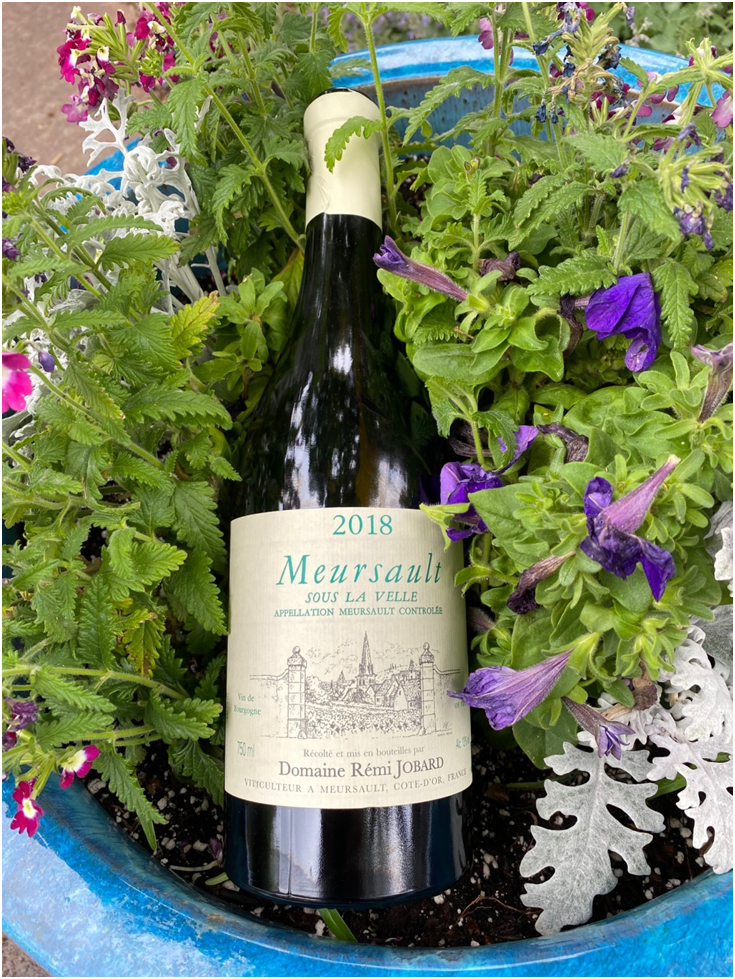
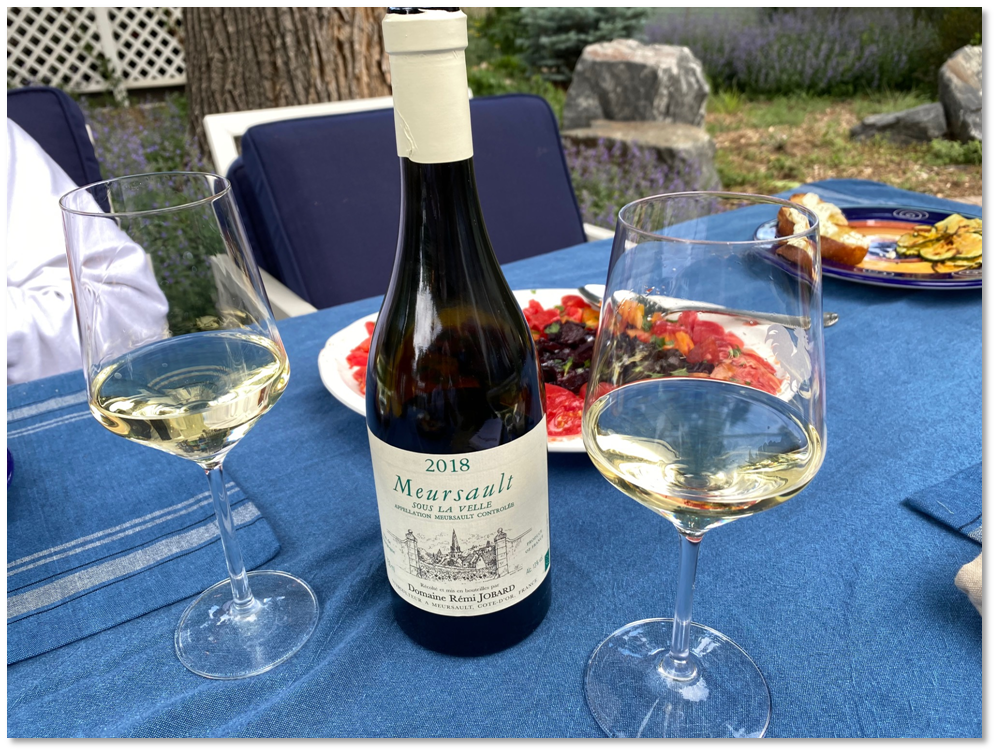
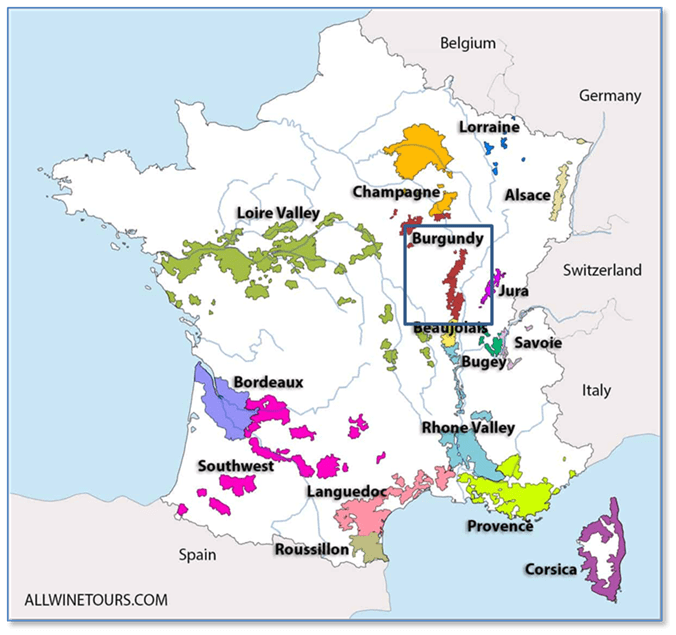
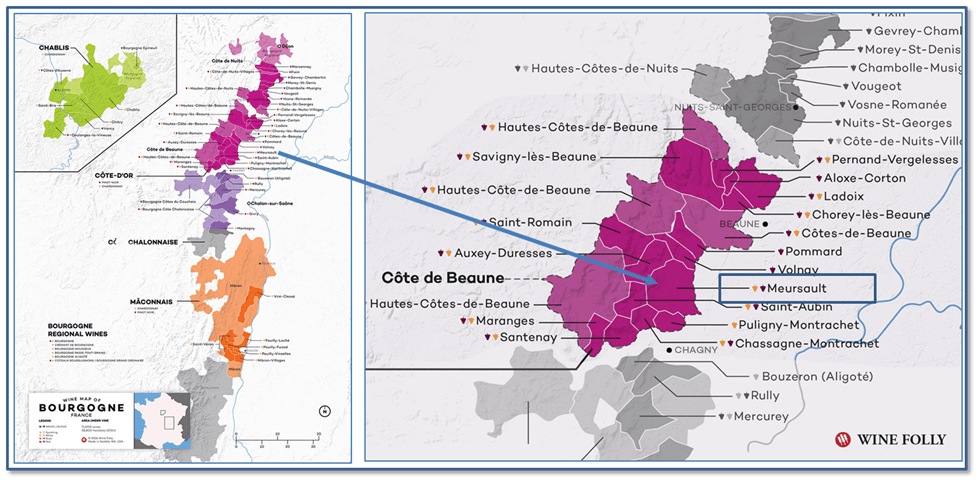
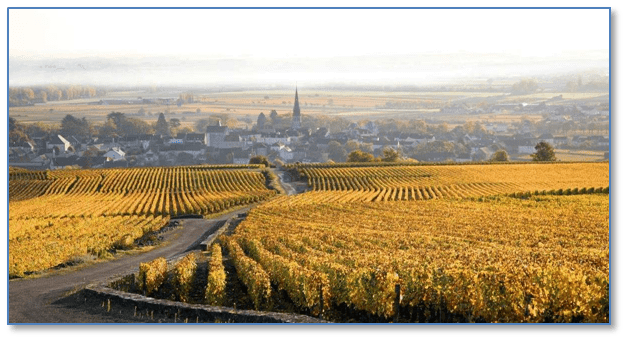
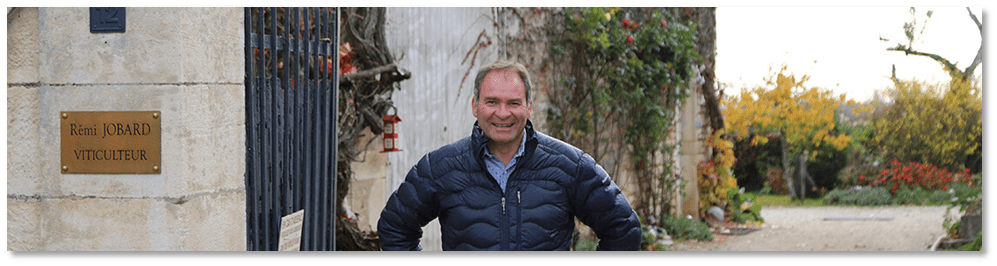


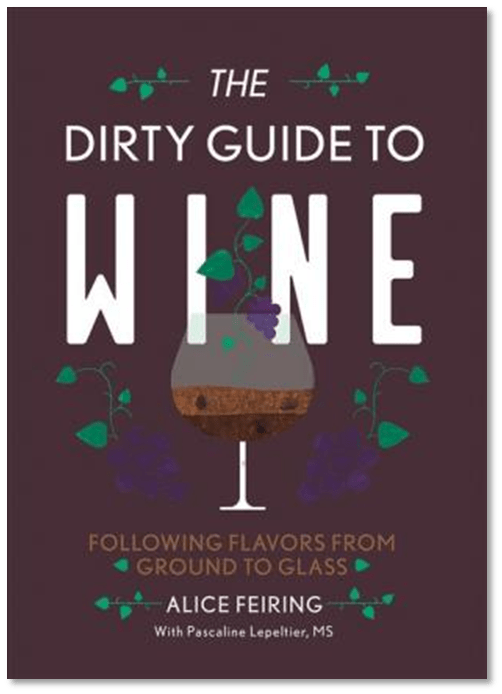
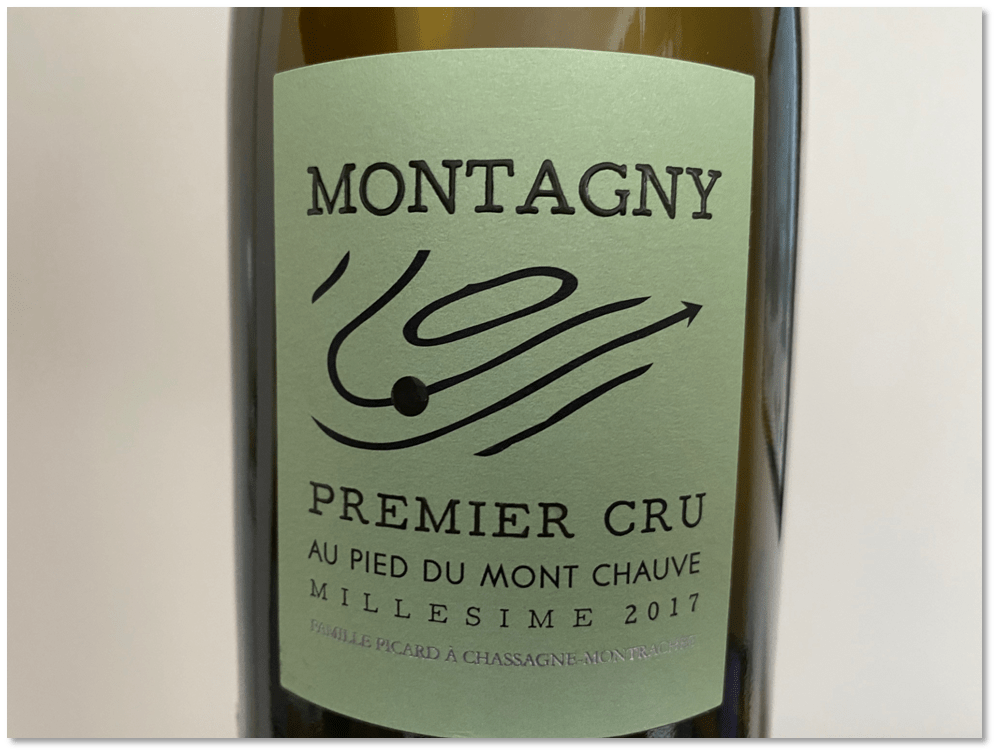
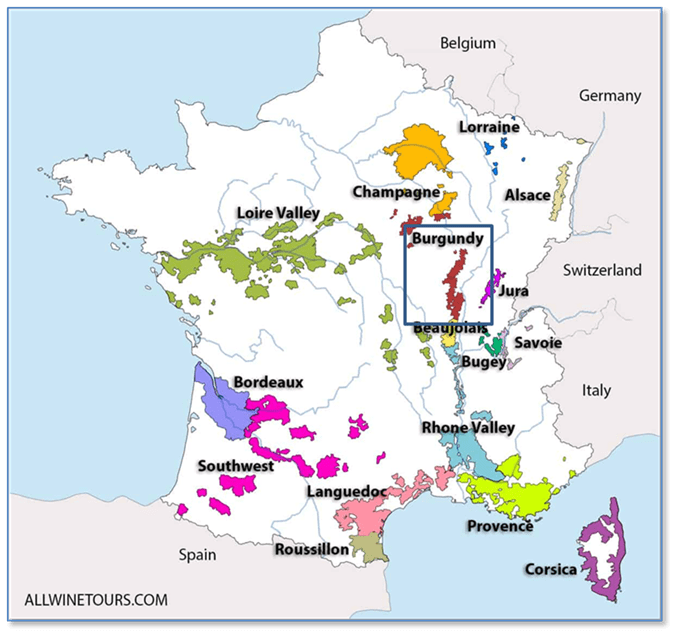

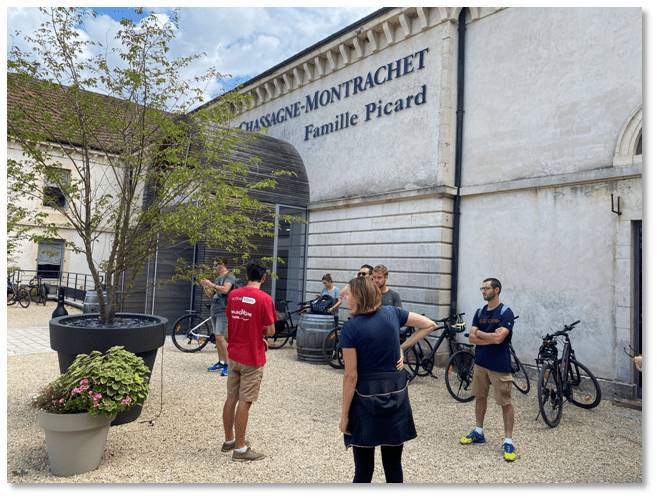
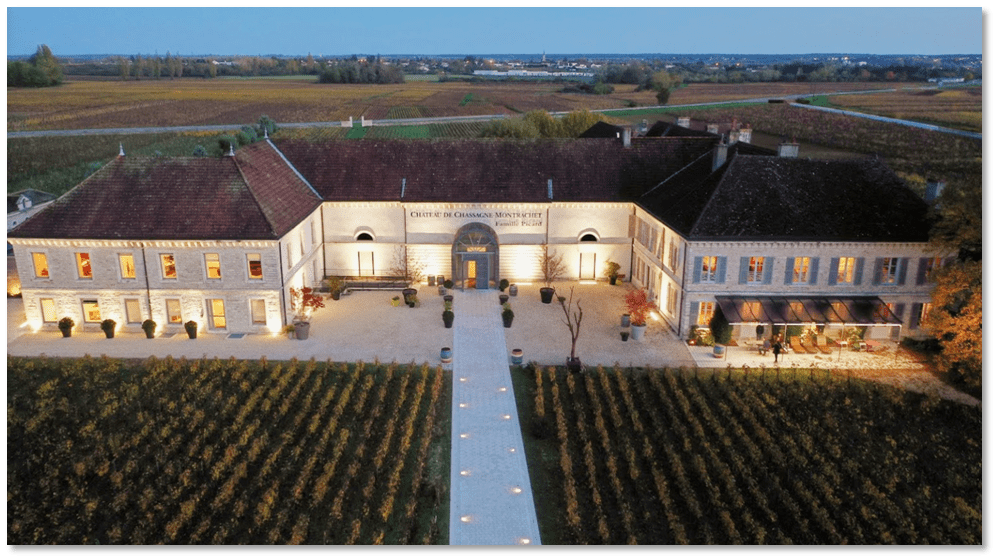
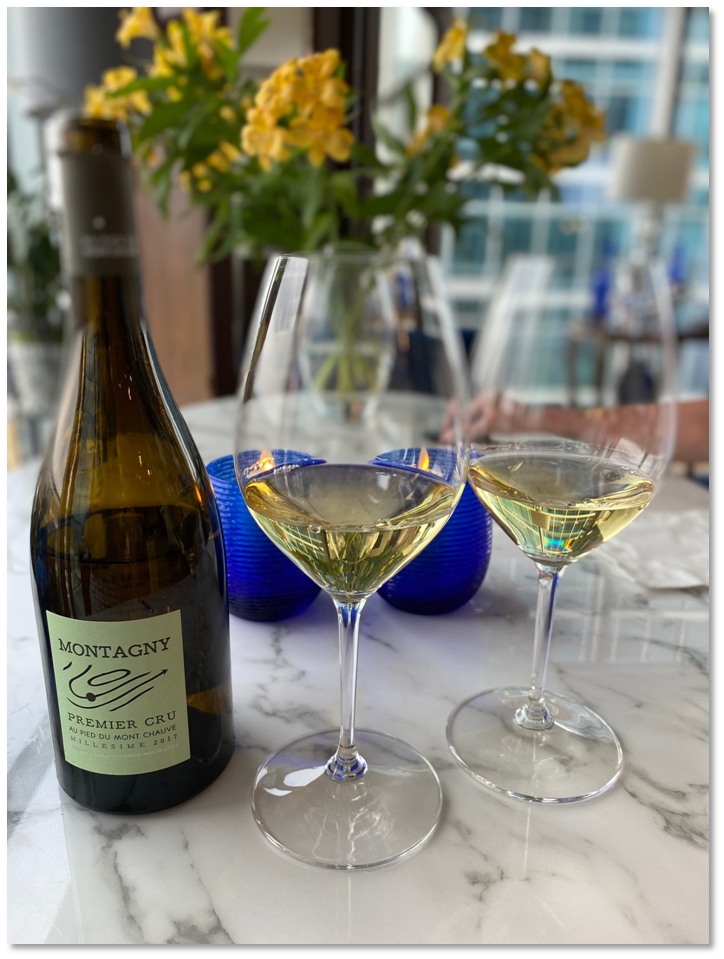
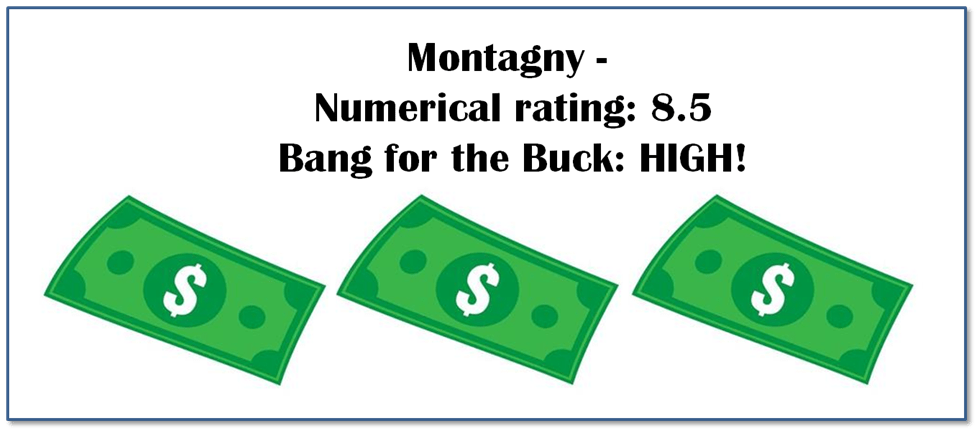

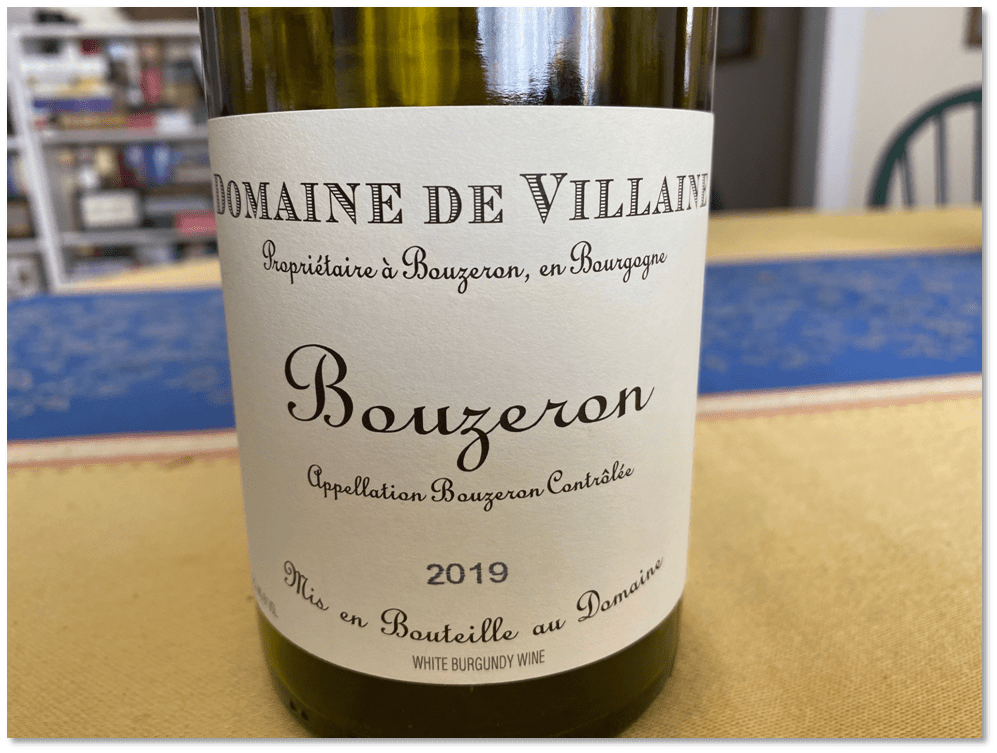

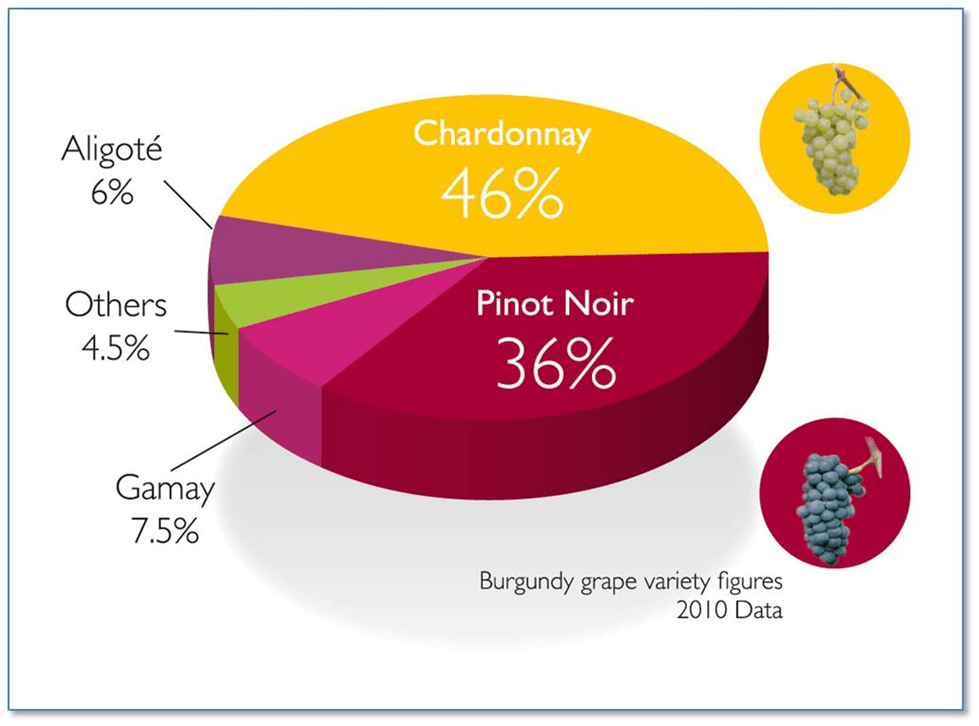
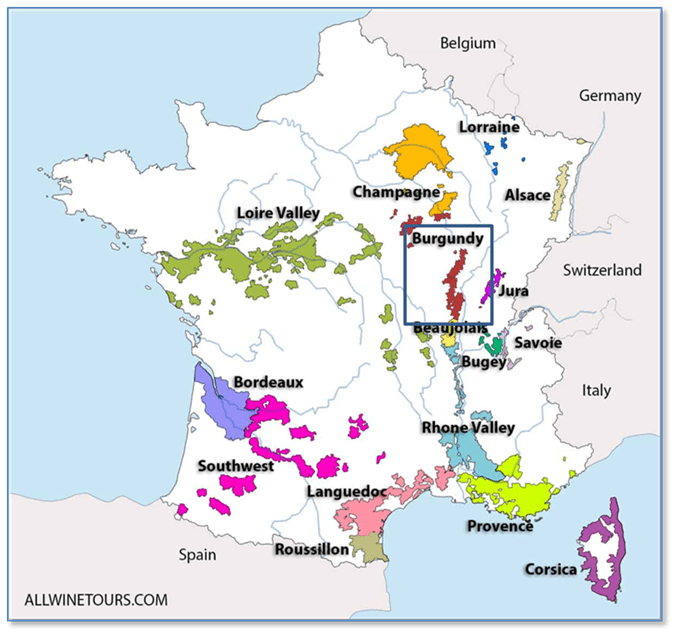
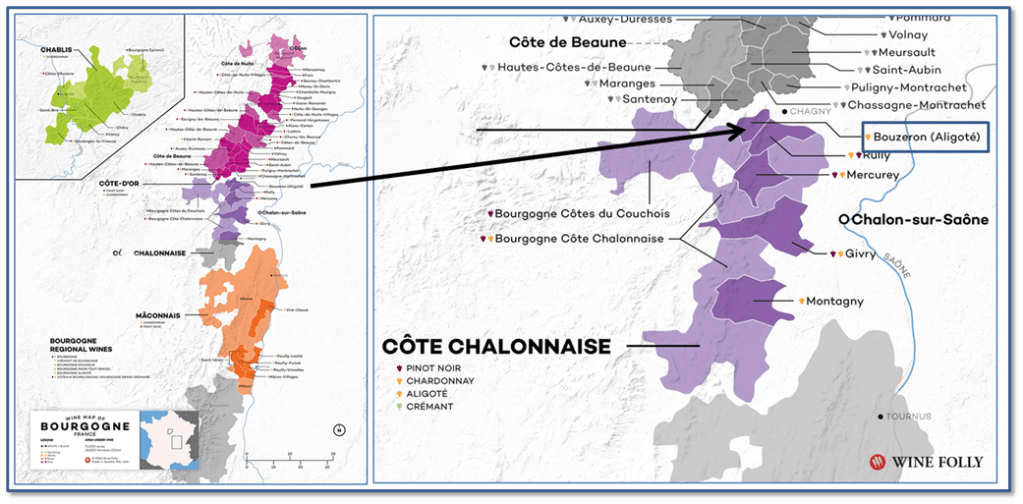
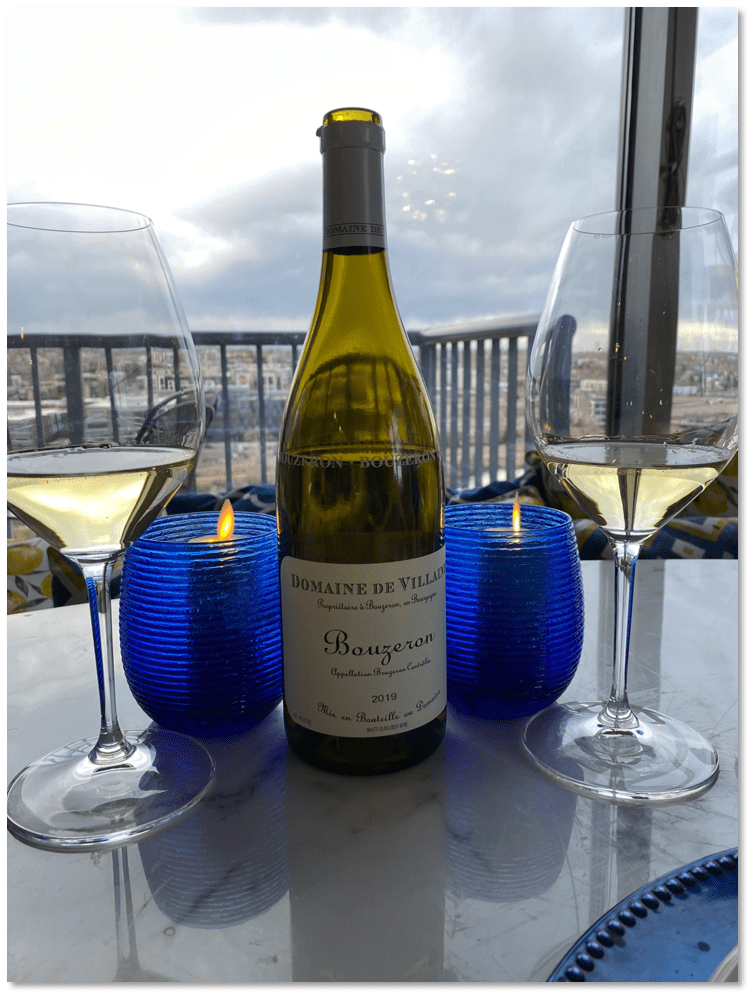
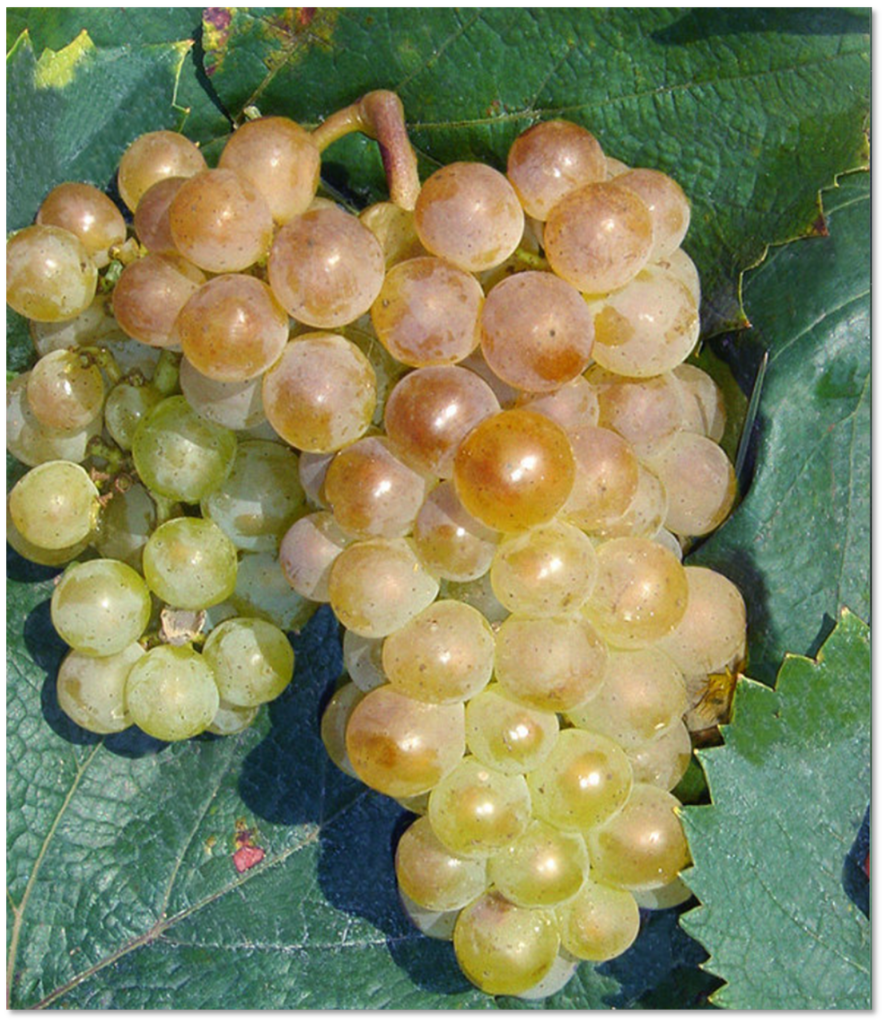

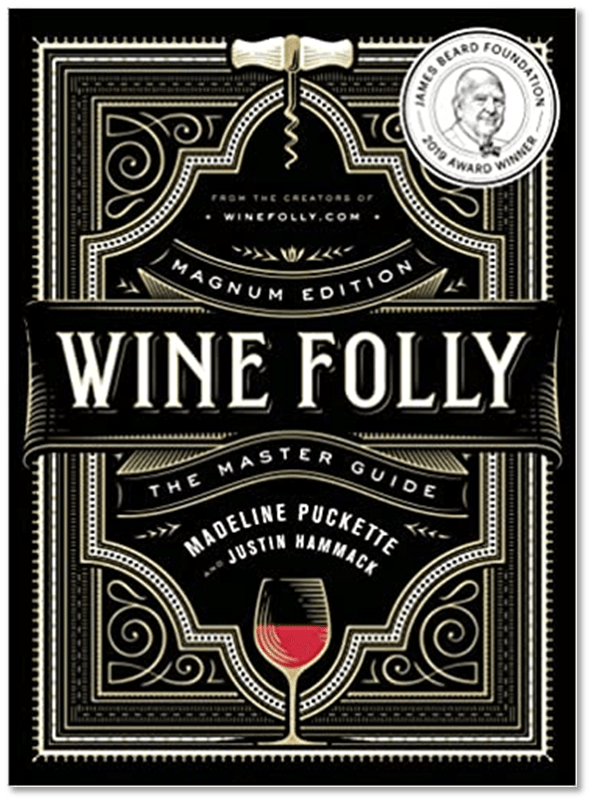
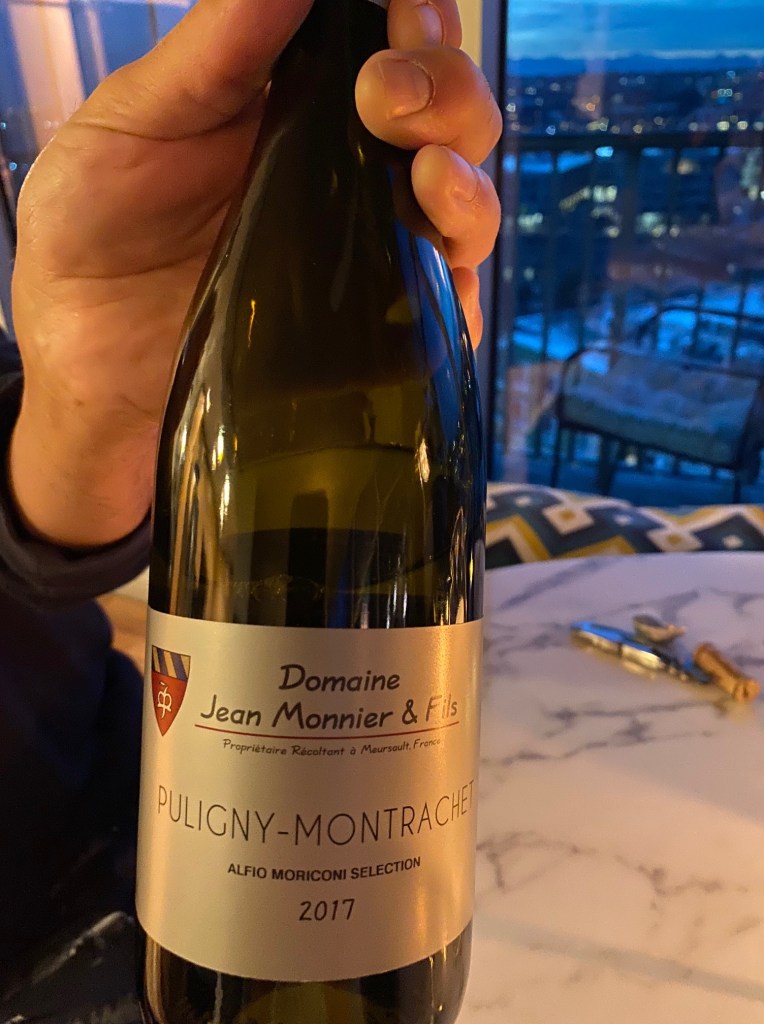

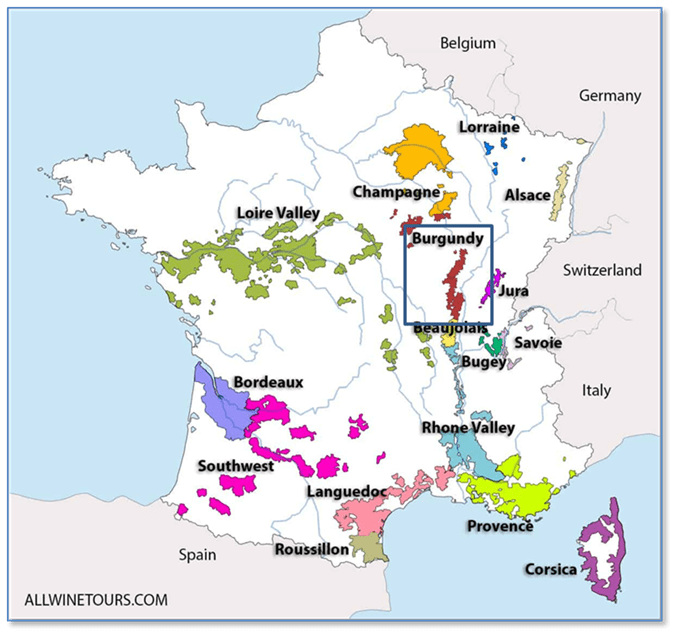
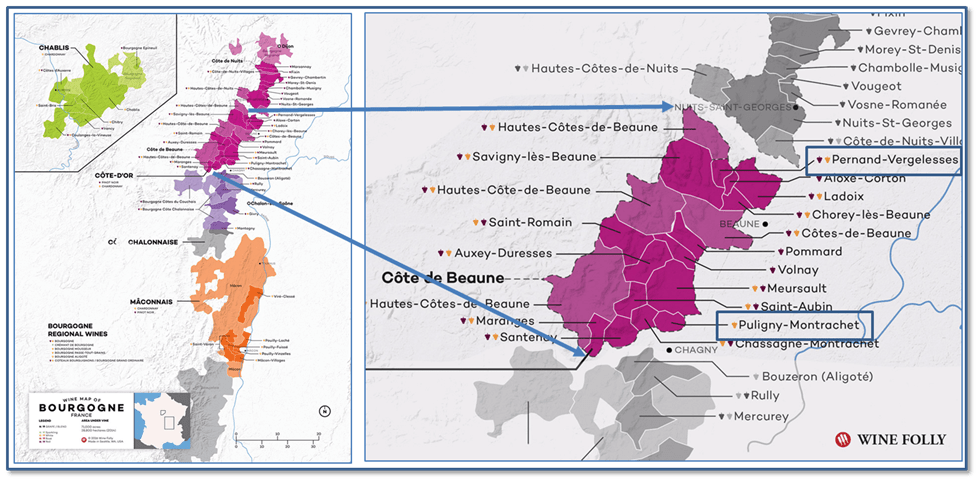

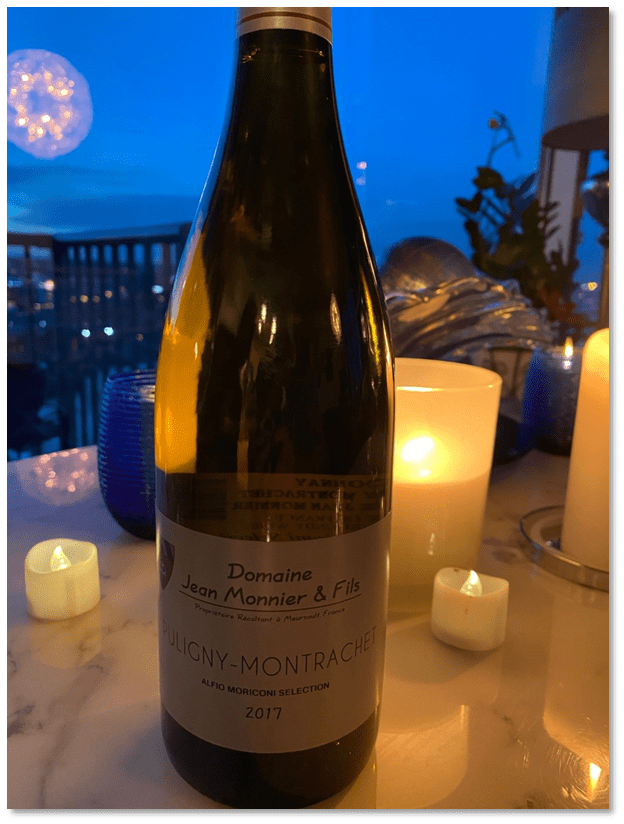

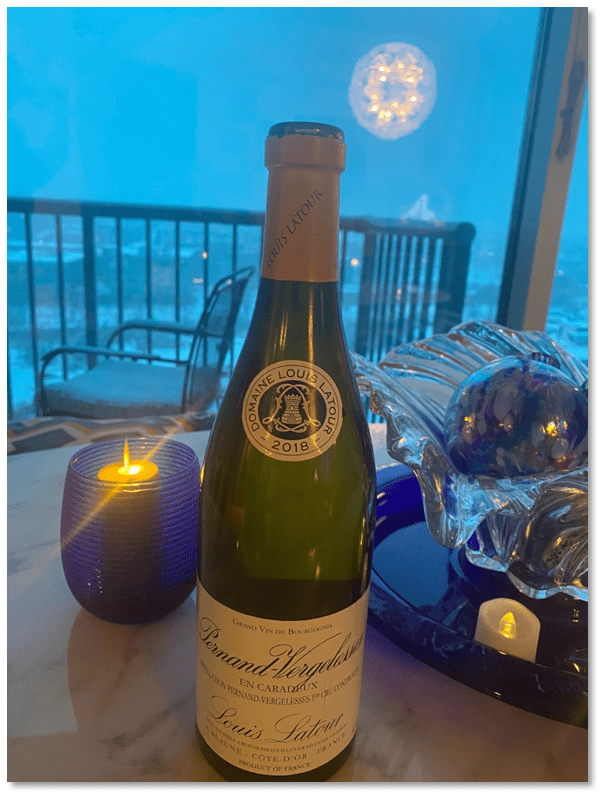


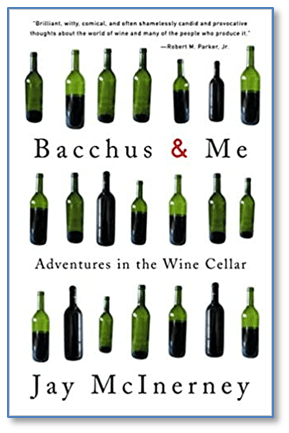
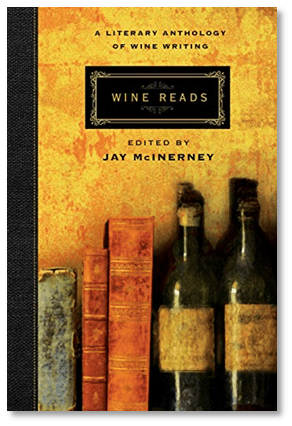
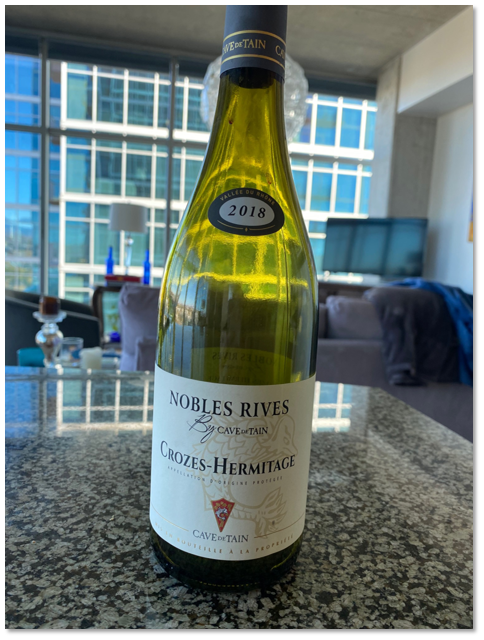
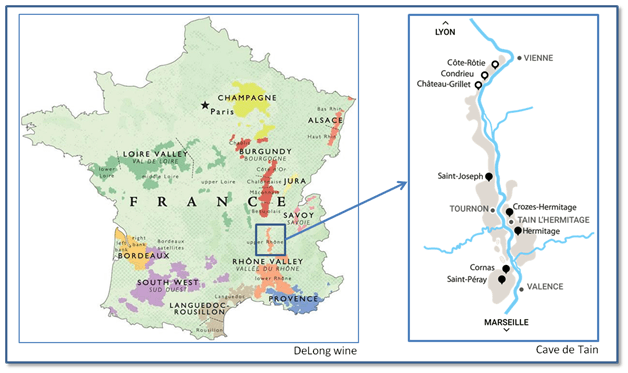
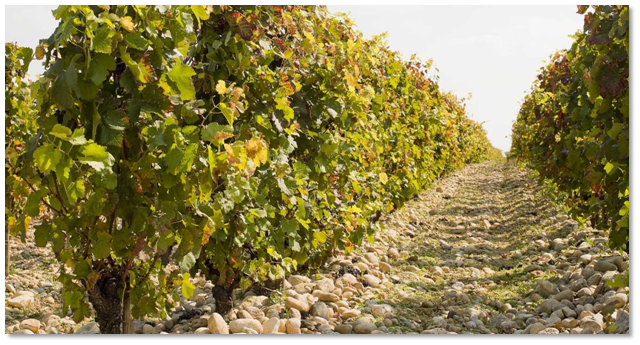
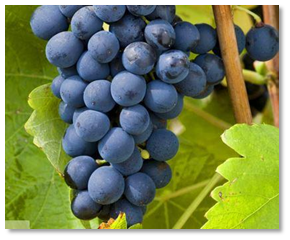
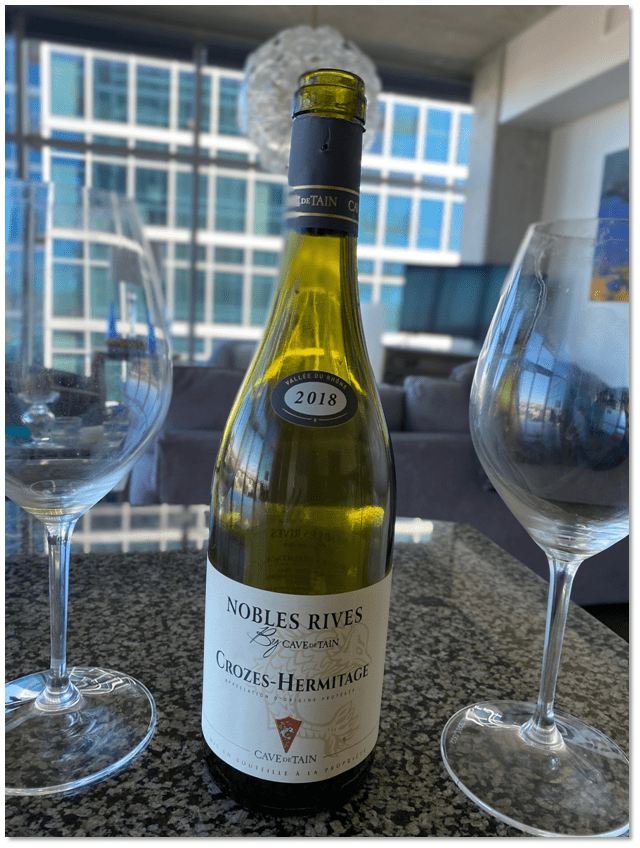
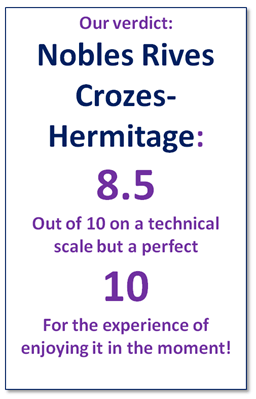
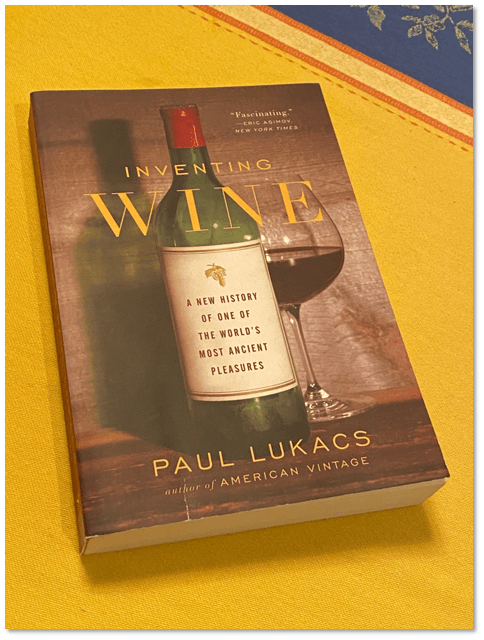
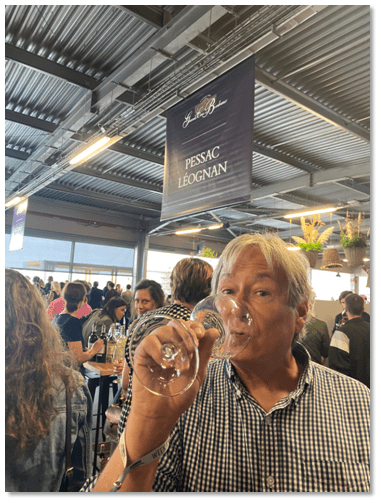
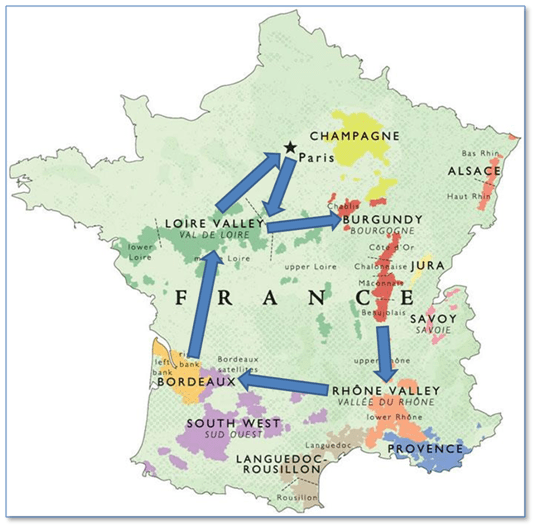
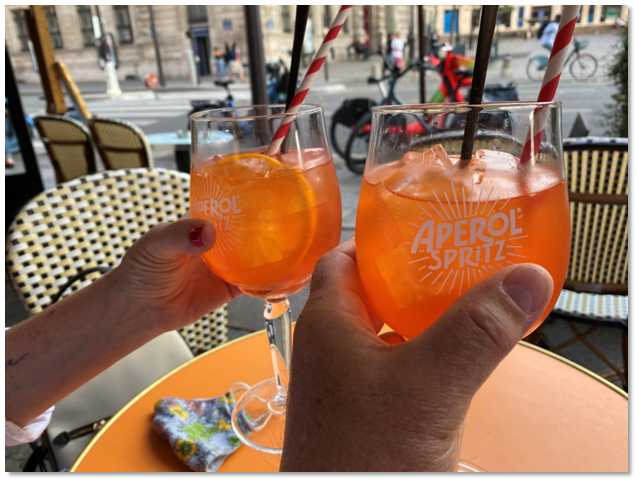


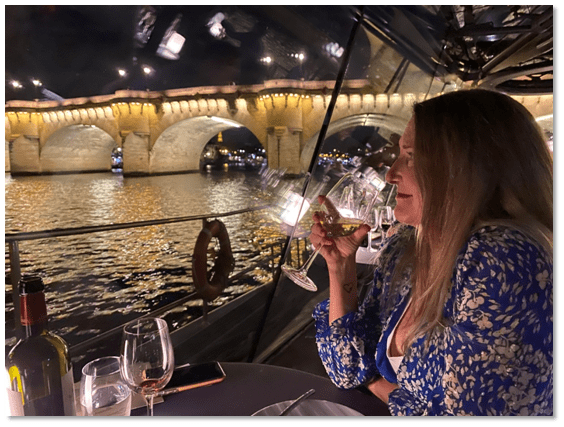
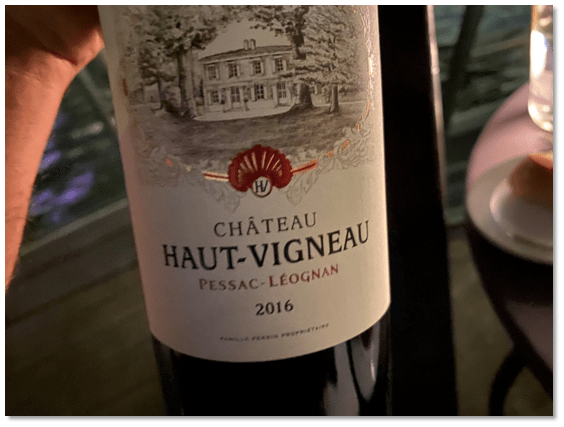
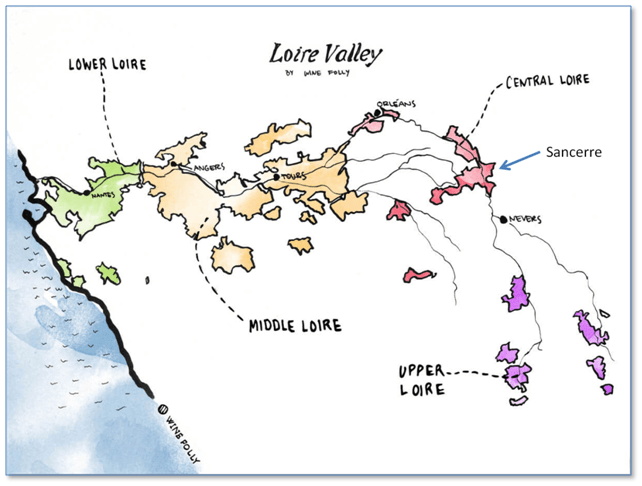
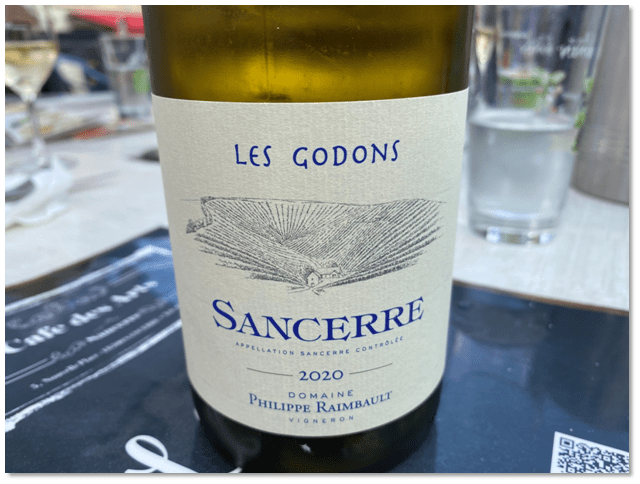
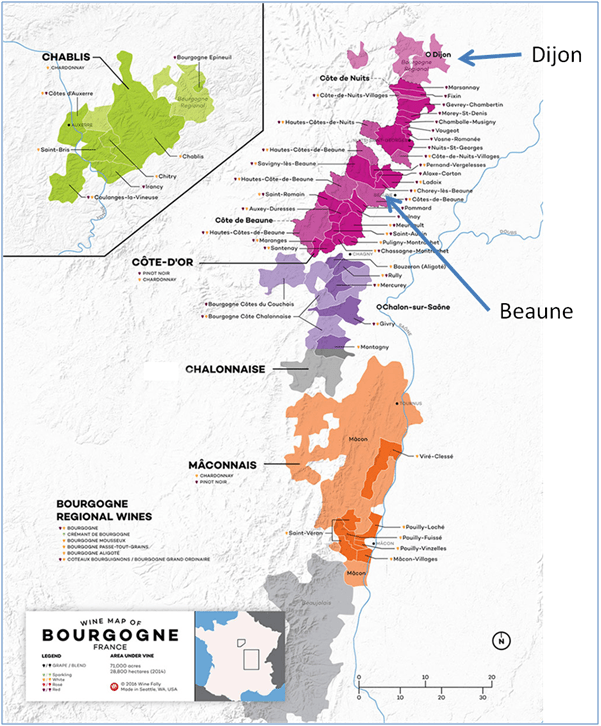

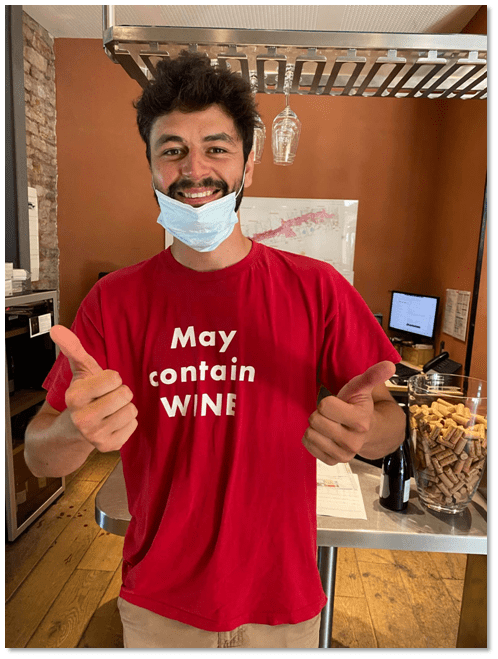
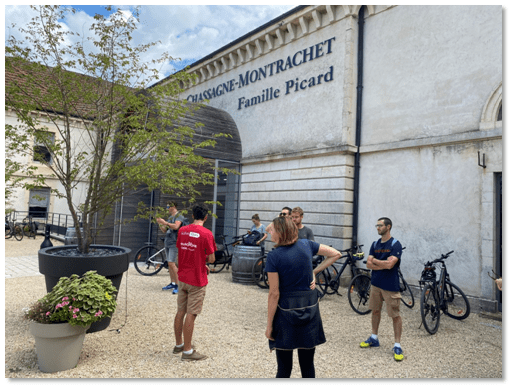
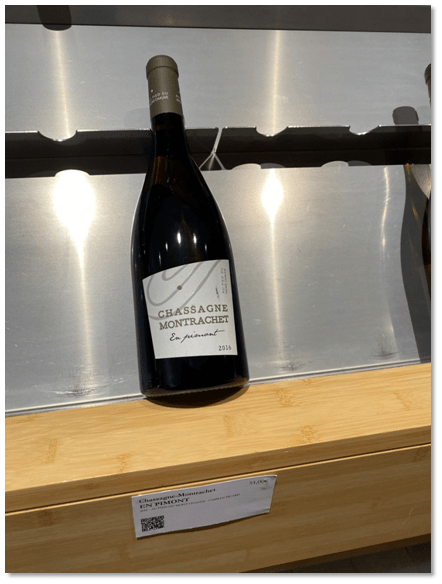
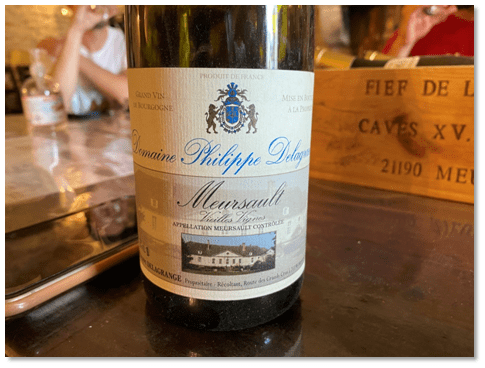


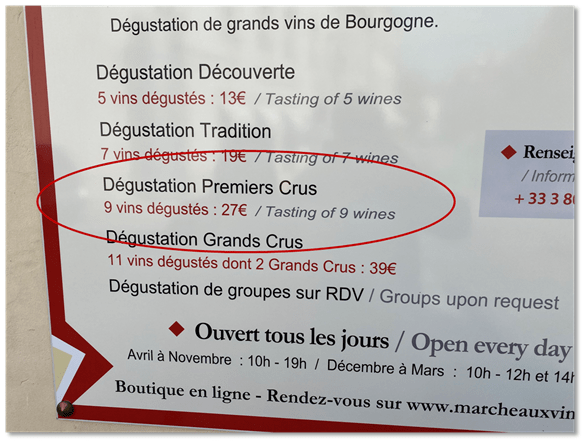


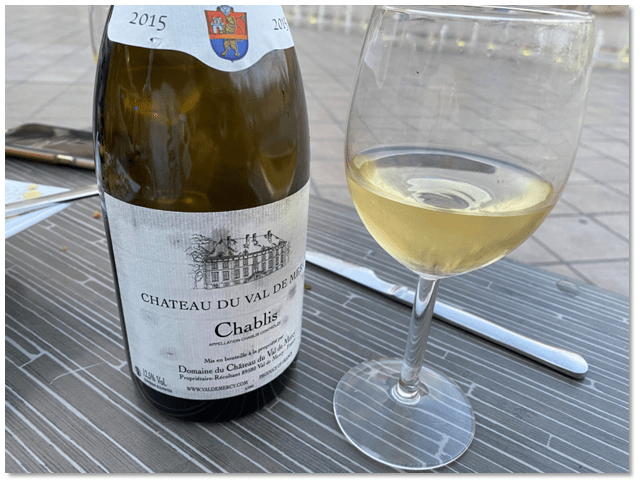
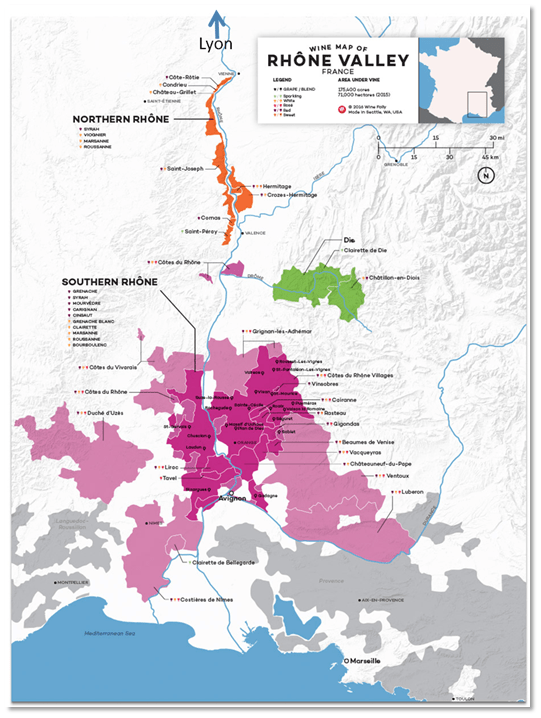
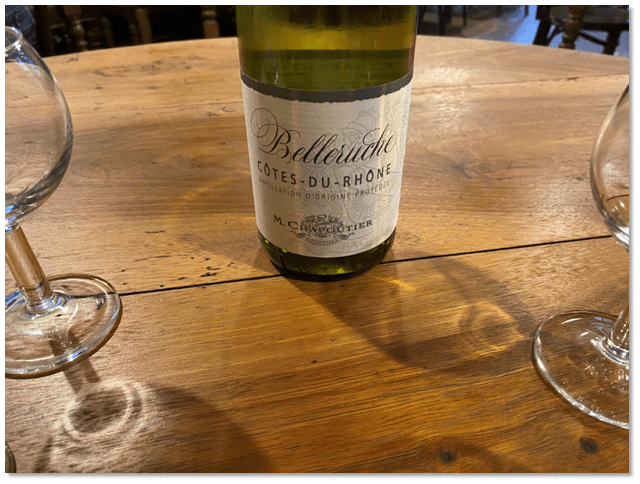
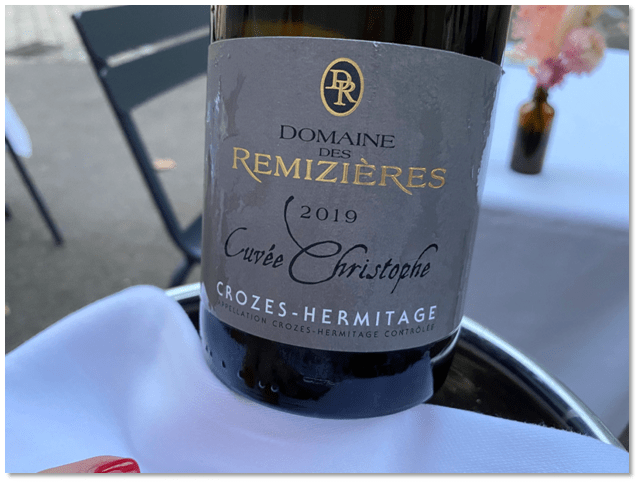
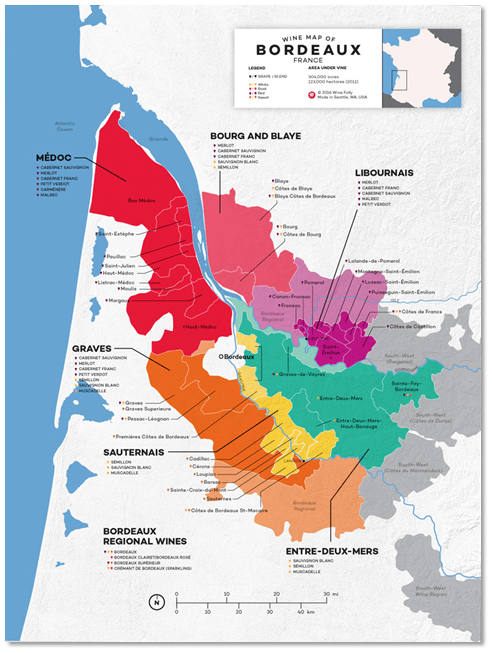

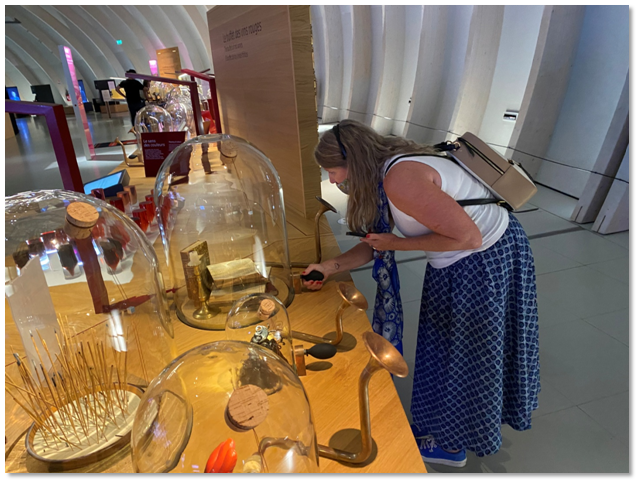

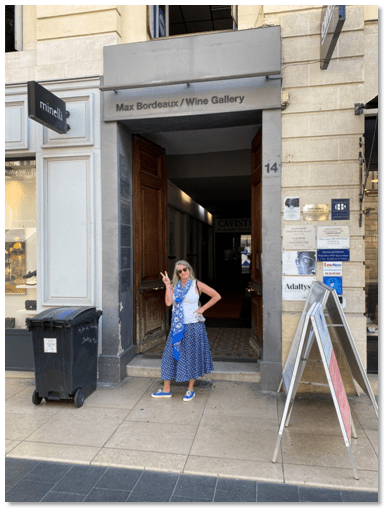
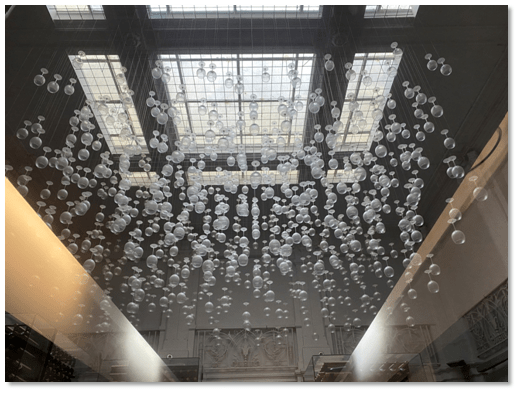
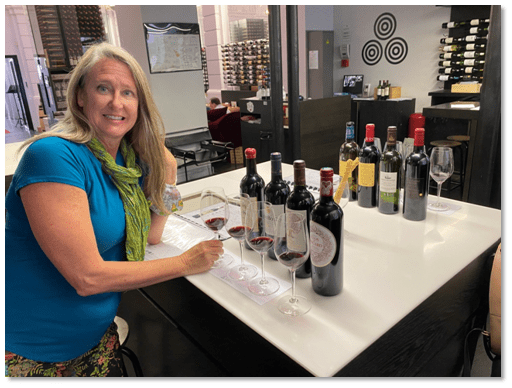
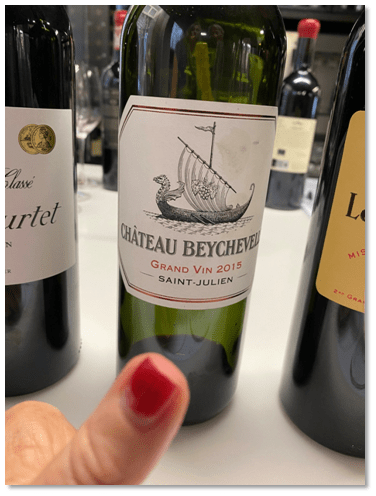
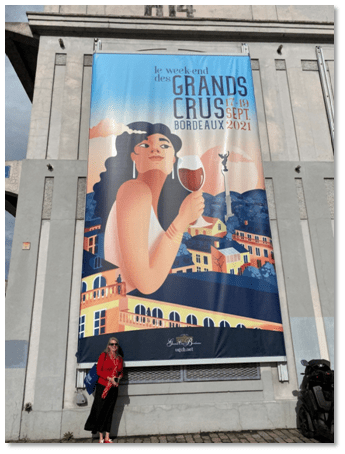

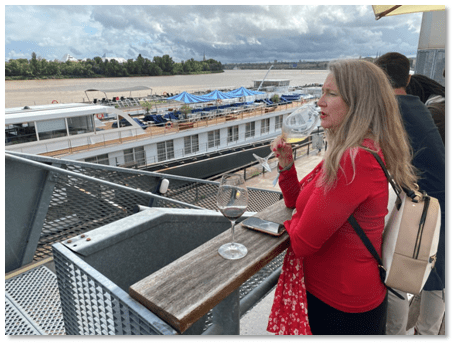
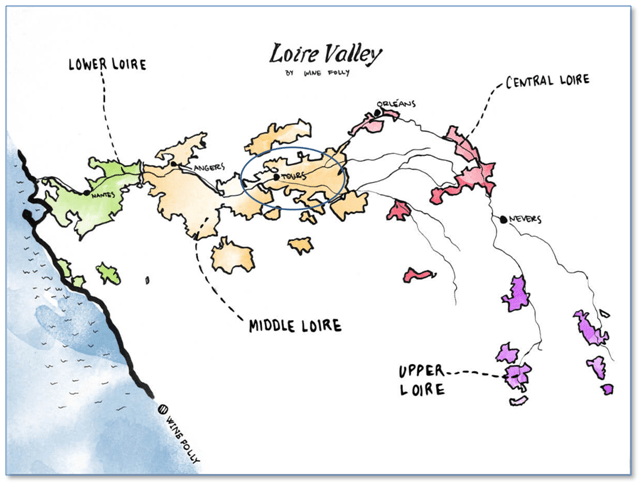
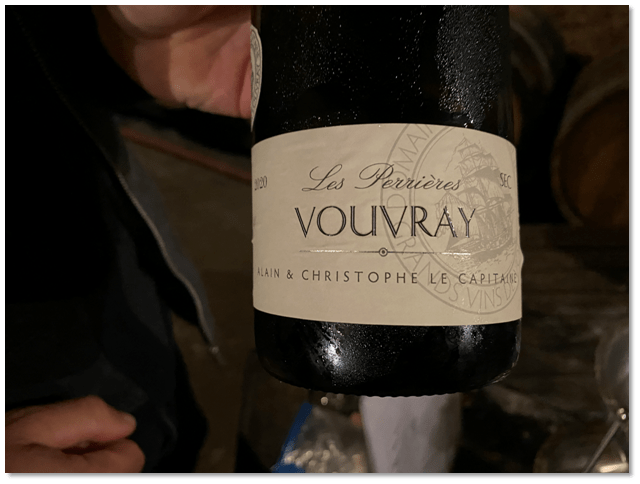
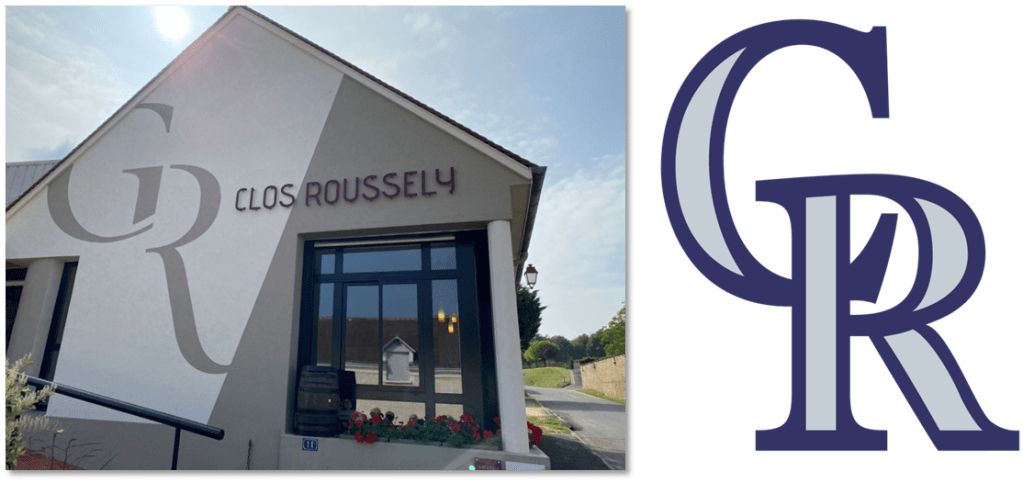

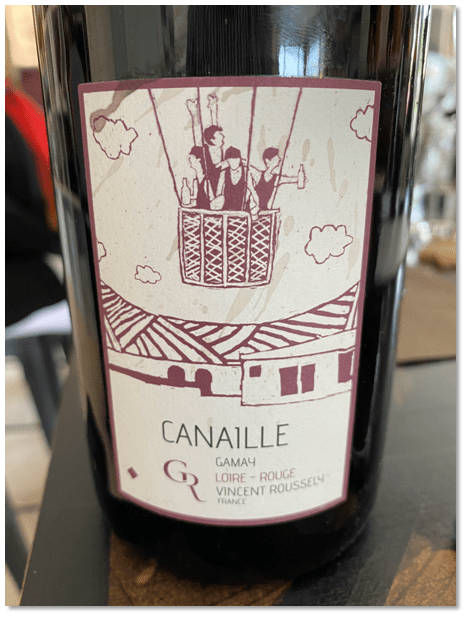
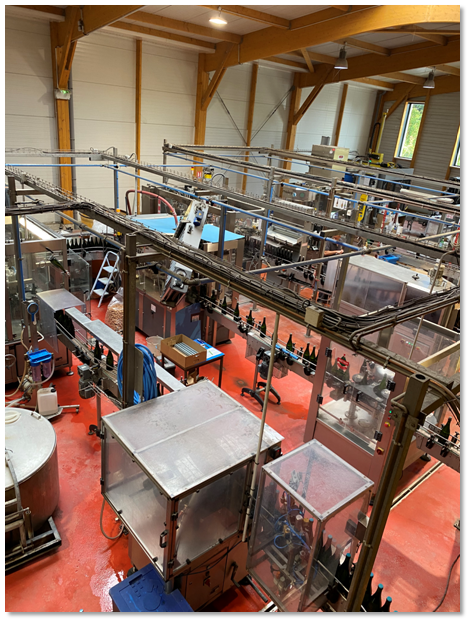


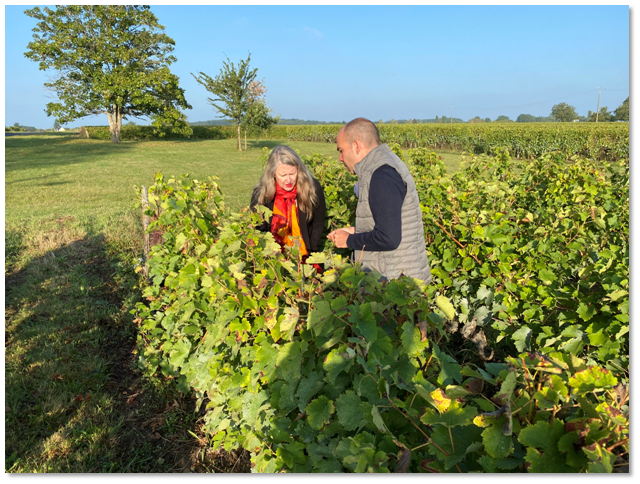
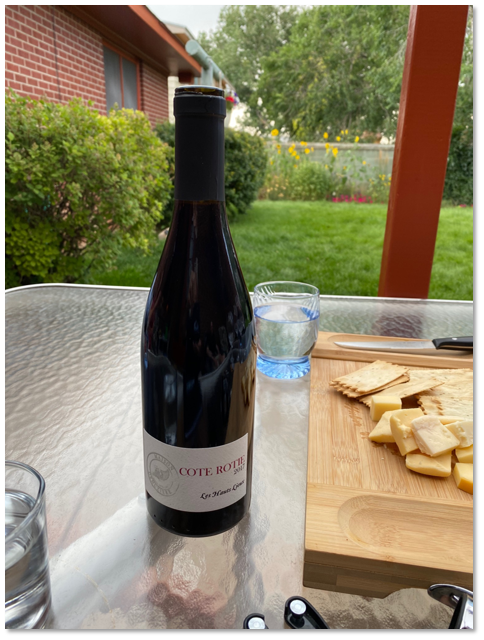

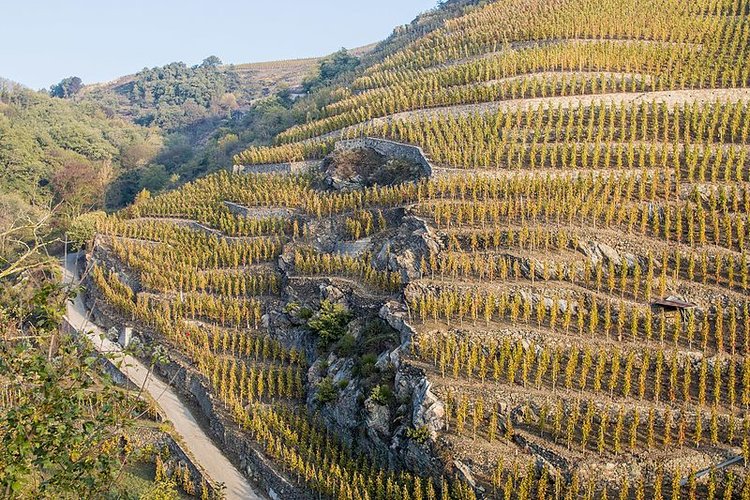

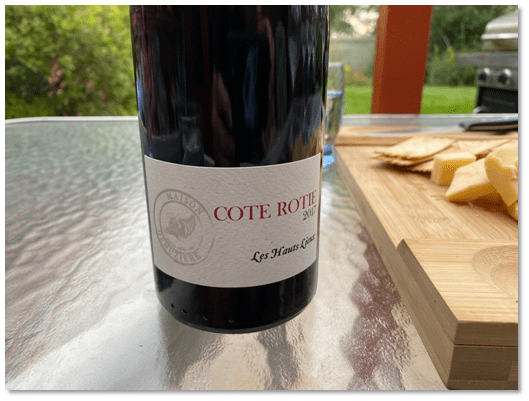

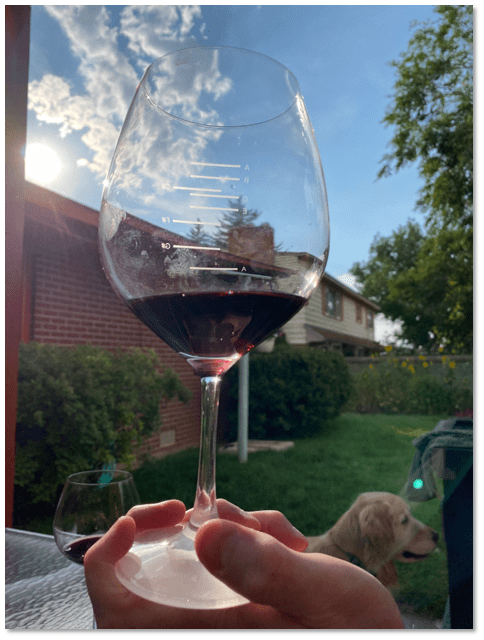
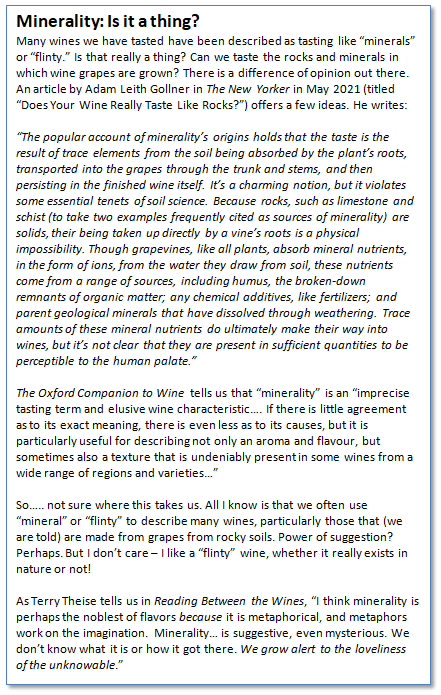

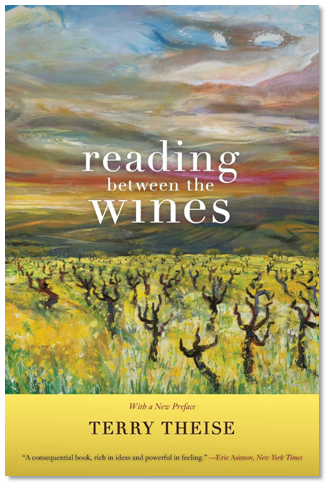
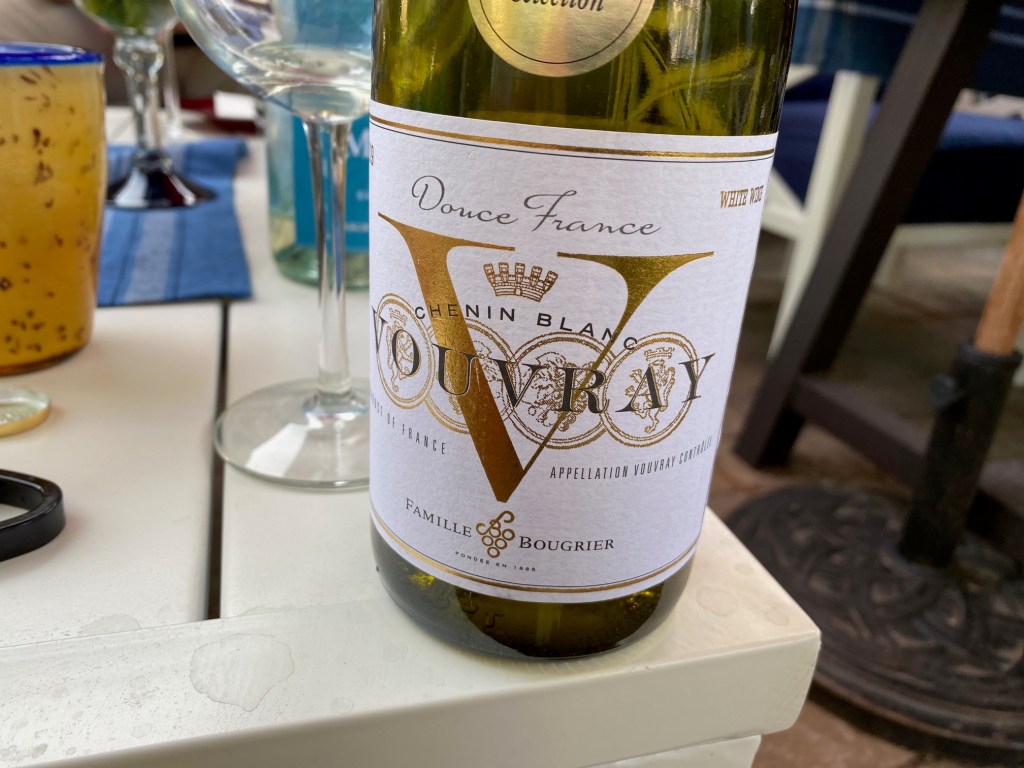


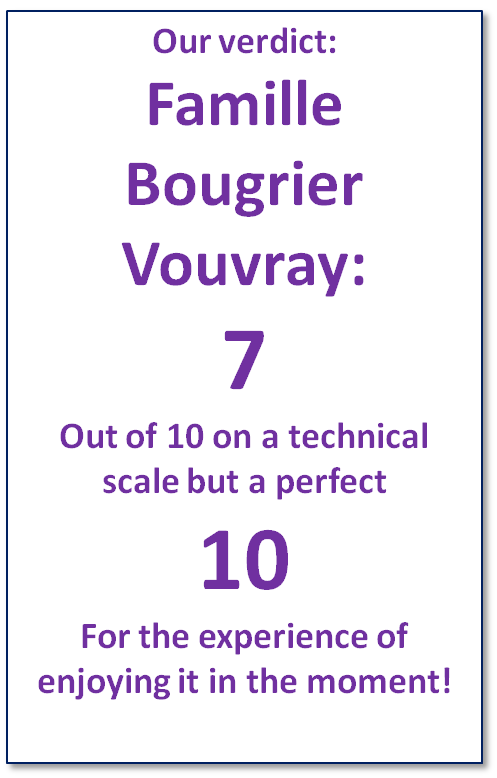

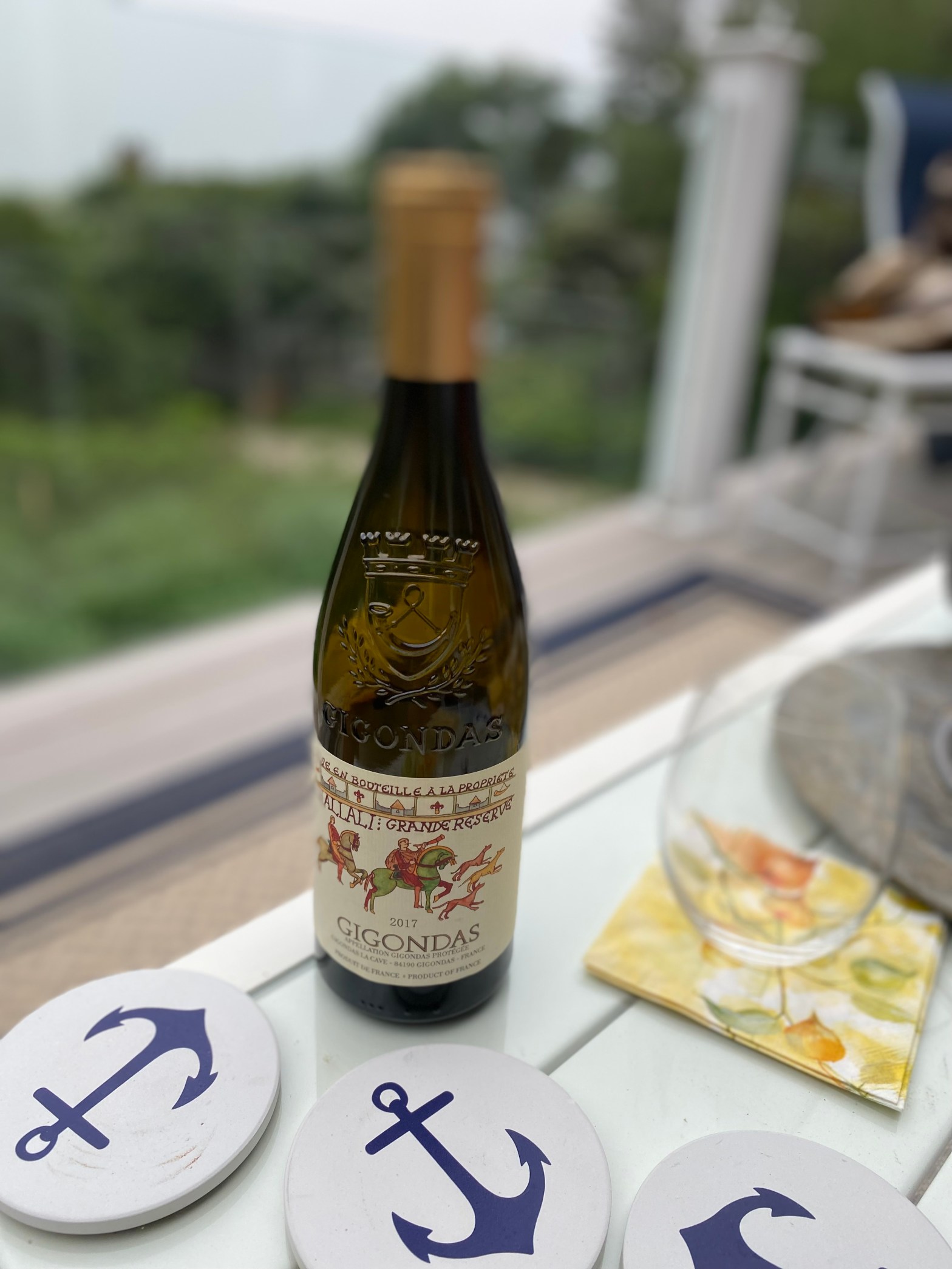
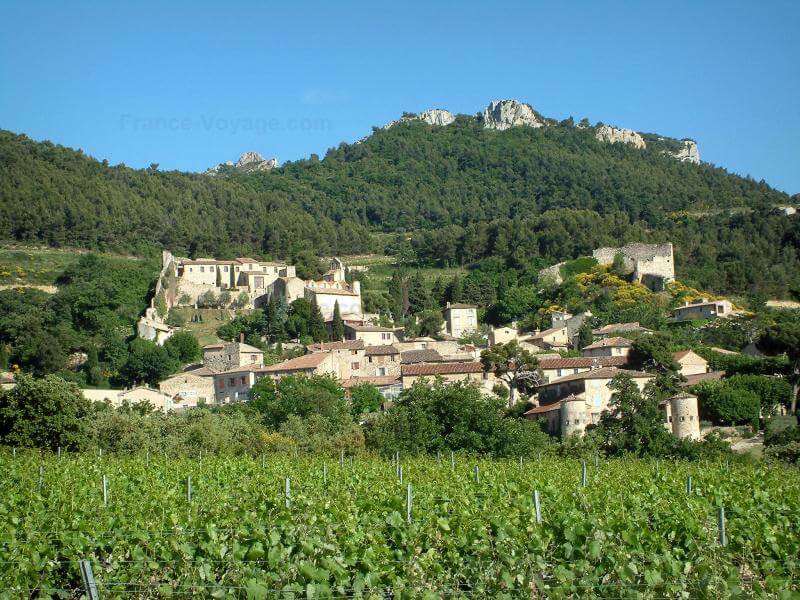


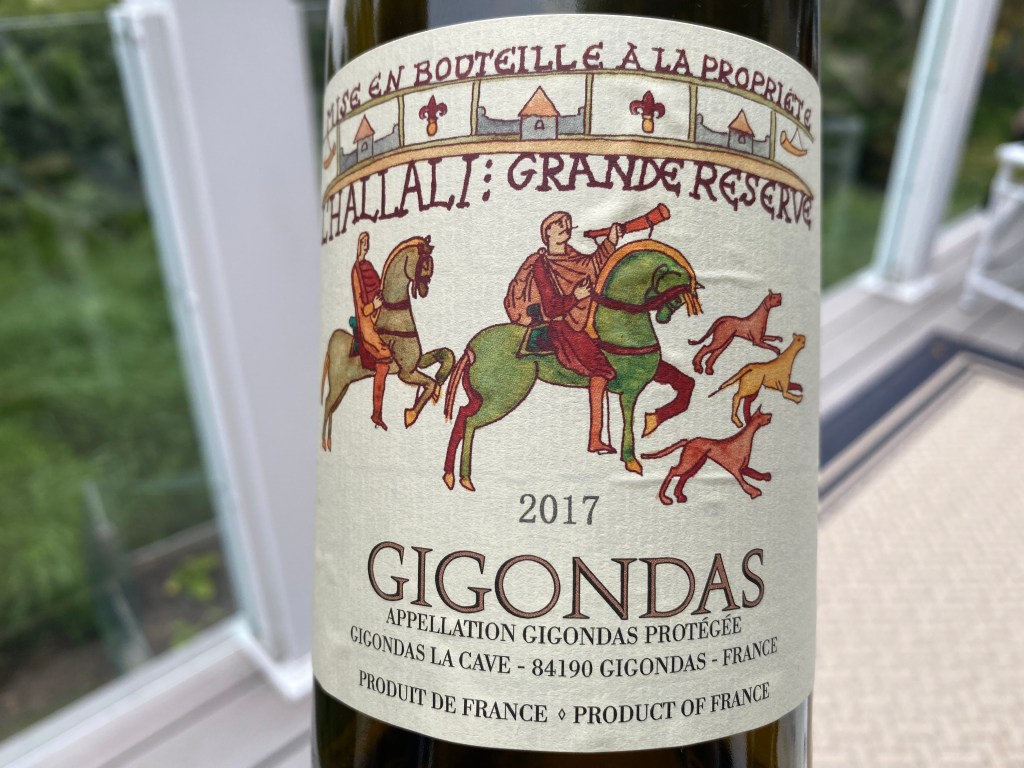

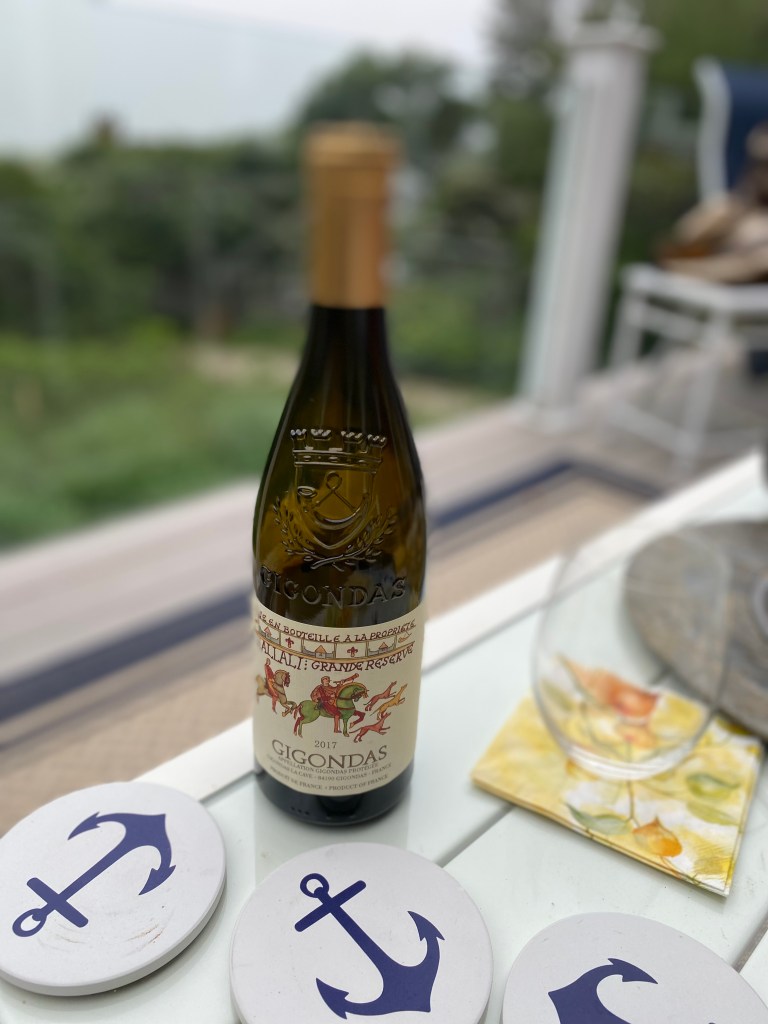
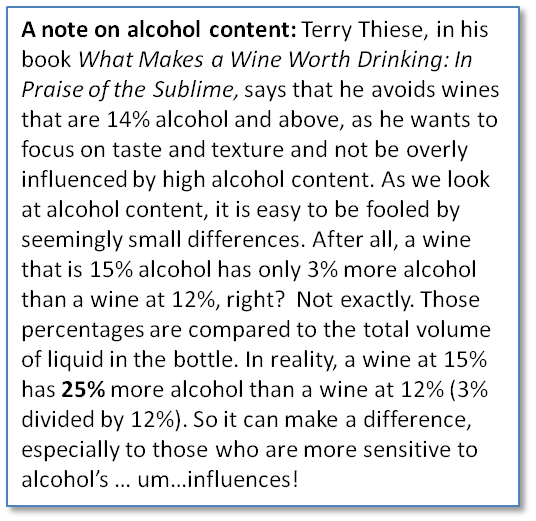
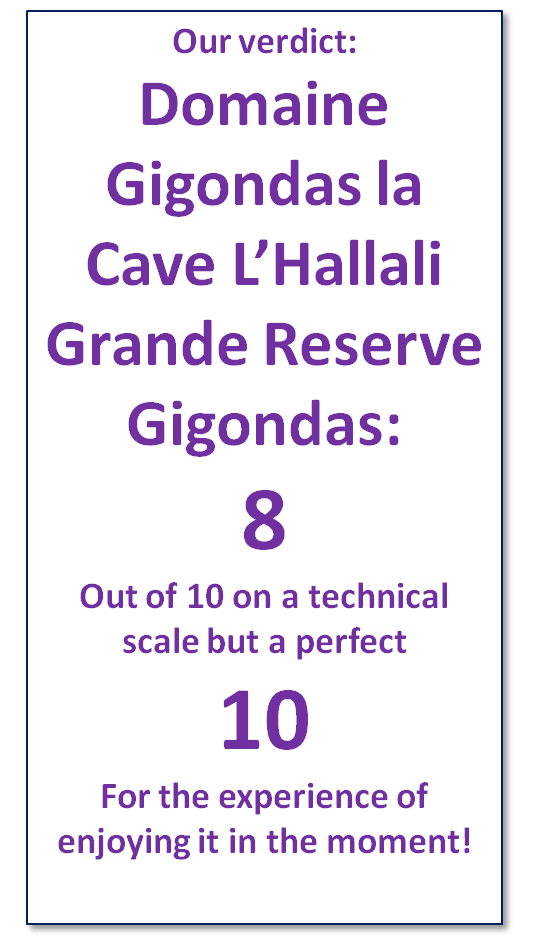

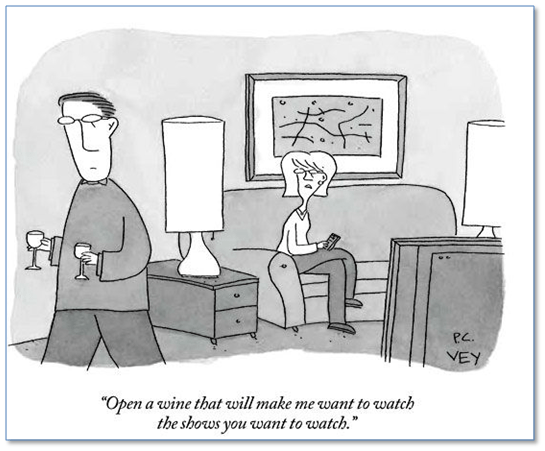
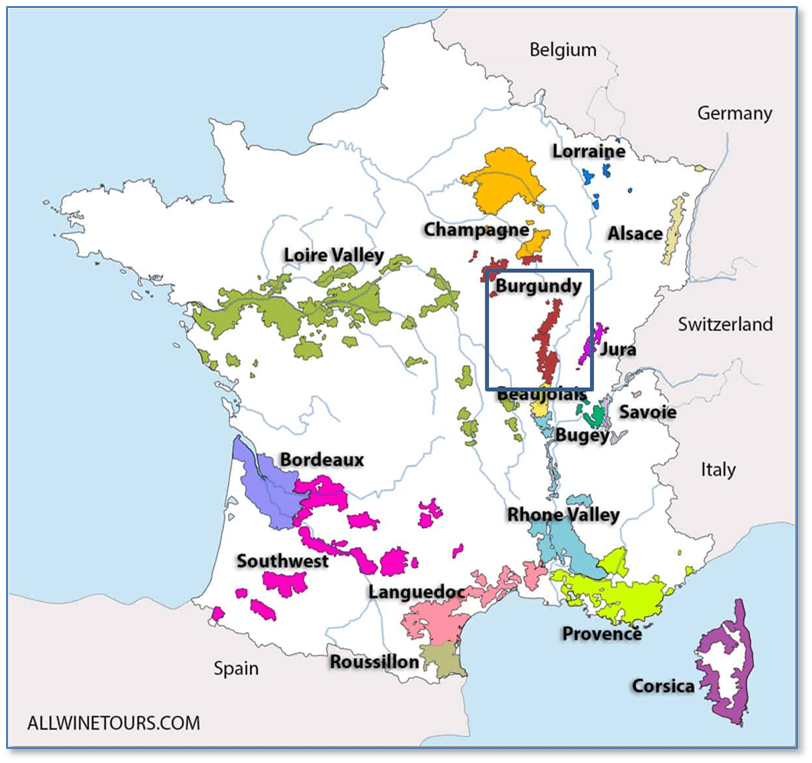
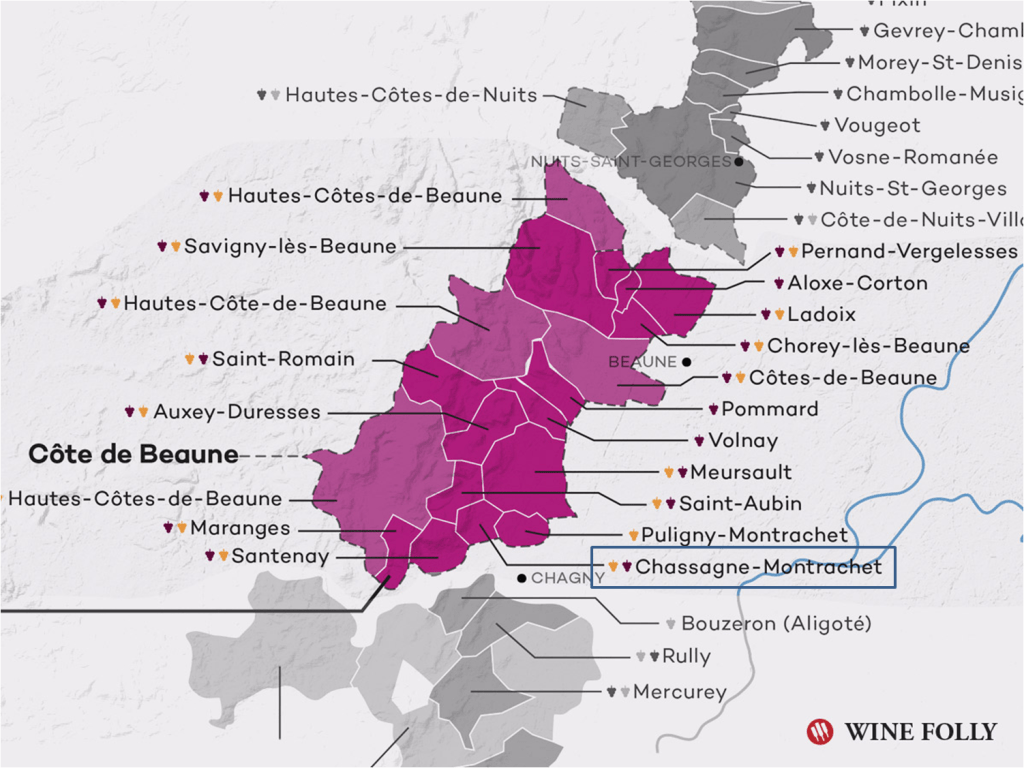
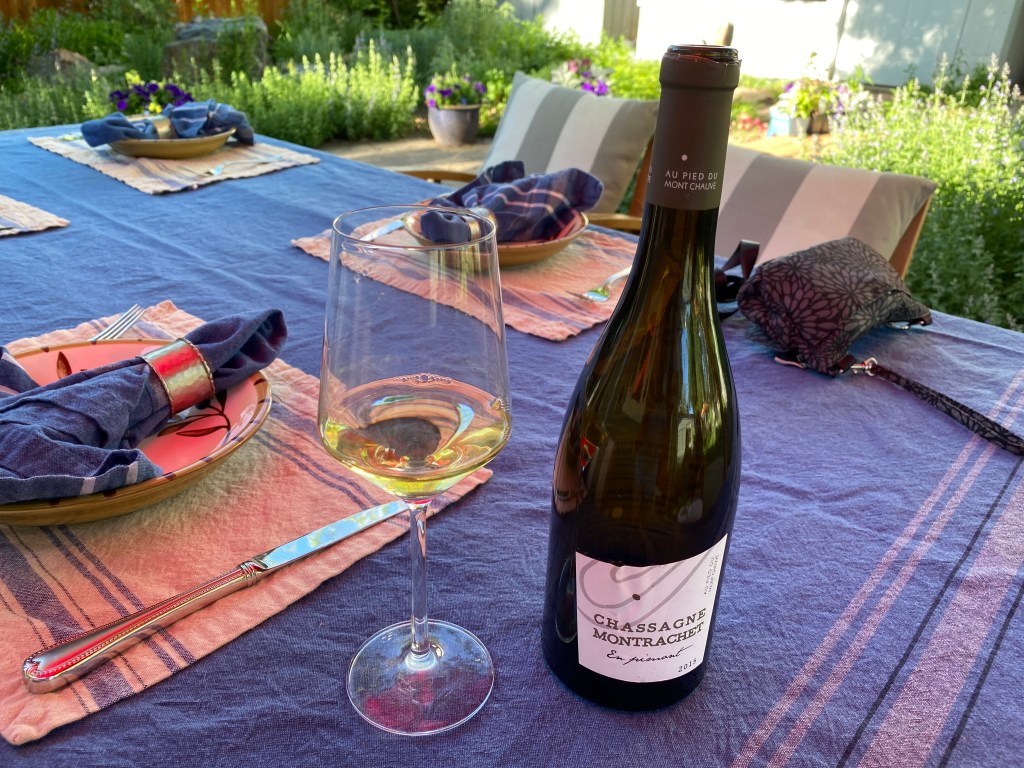
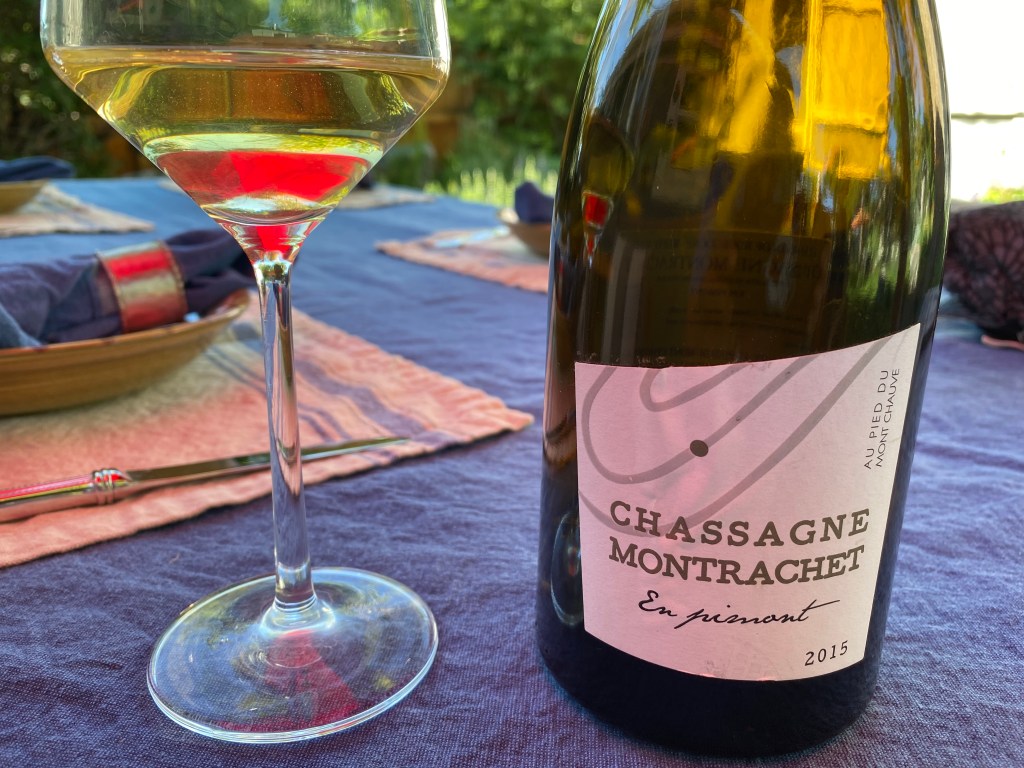
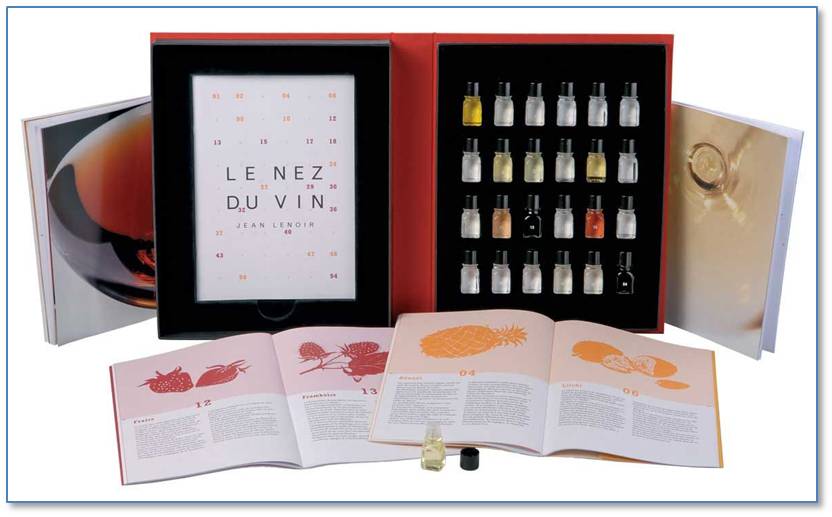
 The Cellar Door